Skip to content

Cart

Your cart is empty

Continue shopping
EXPLORER LES ORIGINES
Voir toutes les origines

Nugu

Lightly roasted

Nueva Guinea, Caribbean plains

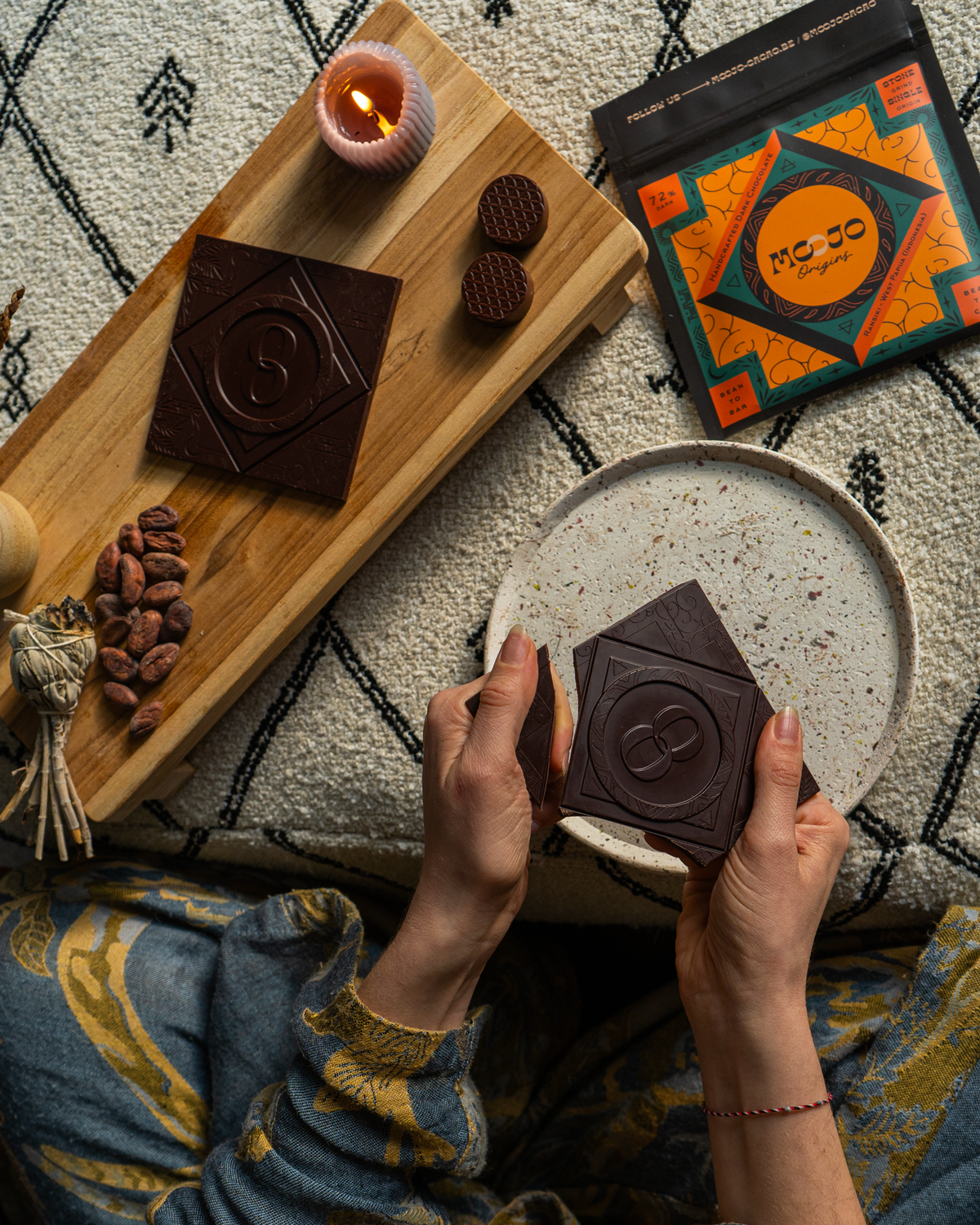
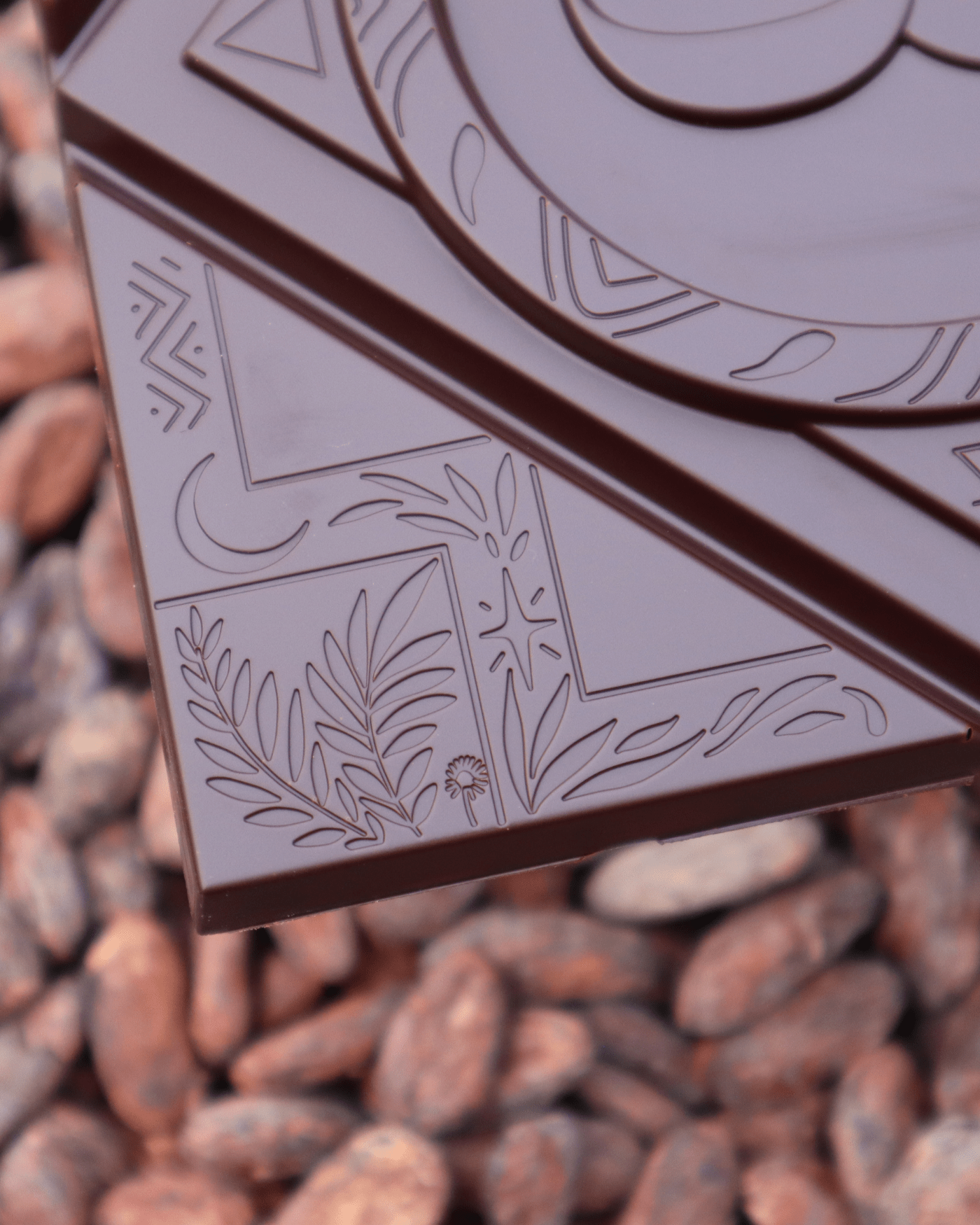
Sachet MOOJO Nugu, cacao cérémoniel 100 %, avec une tablette et une tasse de cacao
Get my access · opens 26.10 (opens in a new tab)

Tasting notes

Fruity · Sweet spice · Caramelised / Honey

Texture

Floral & fine

Cultivar

Trinitario · Acriolado

Recommended dose

20–40 g

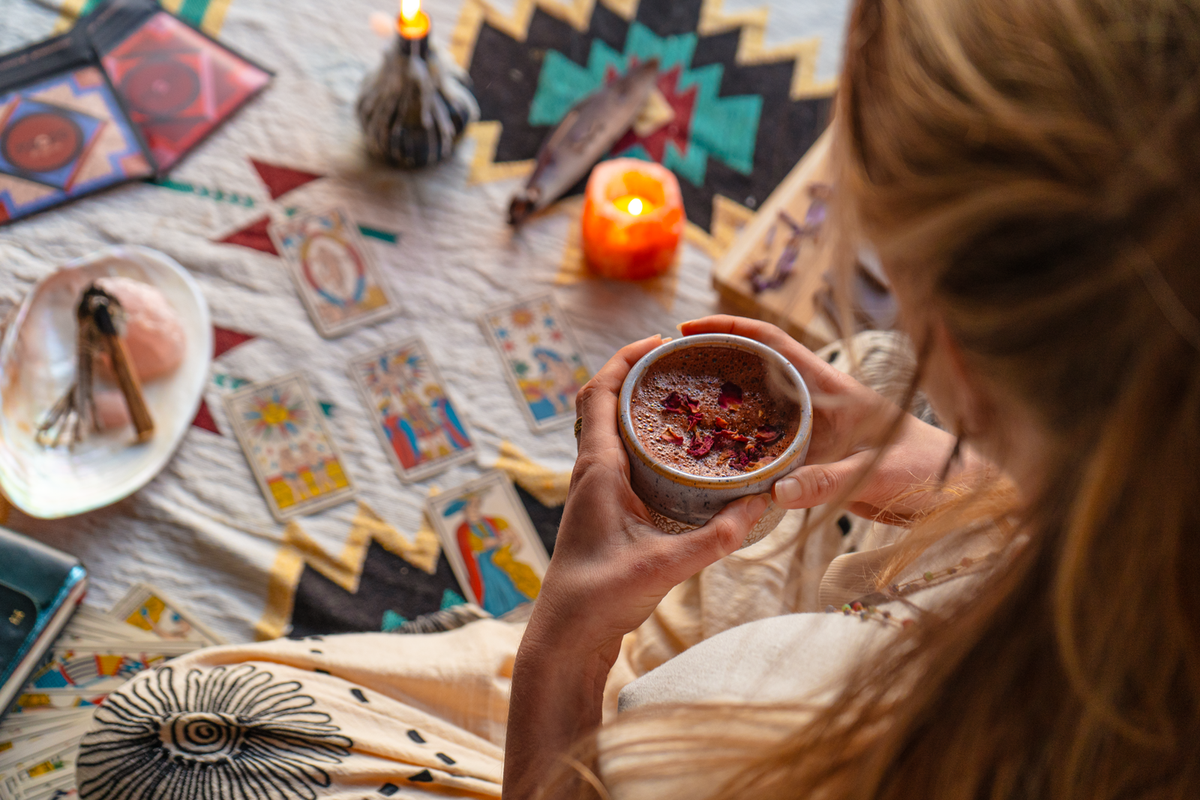
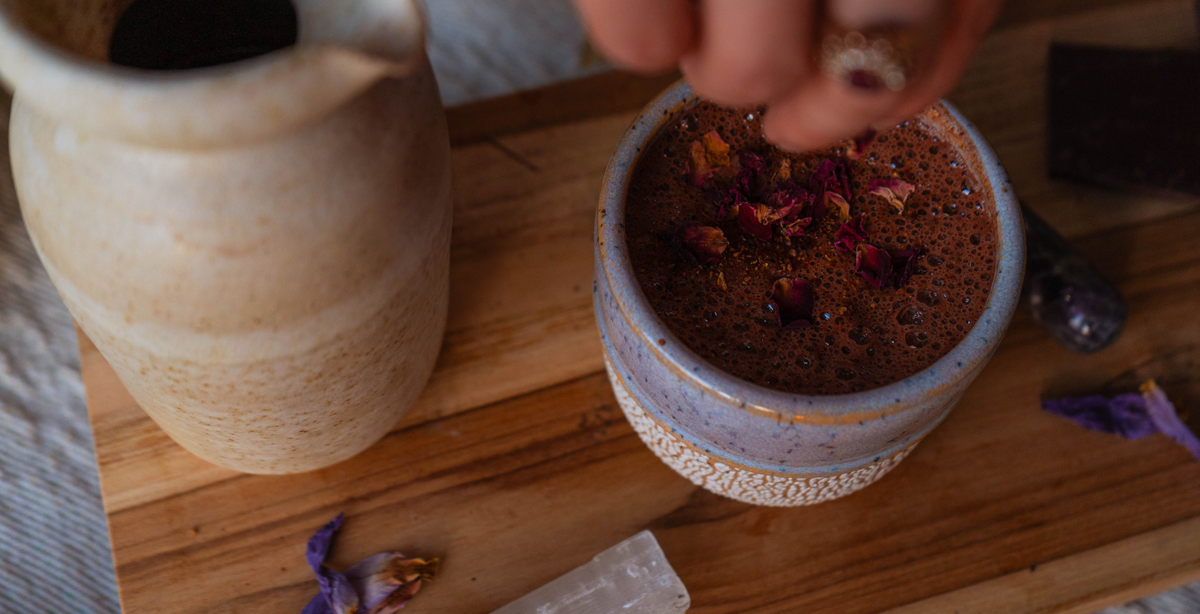
Making a drink
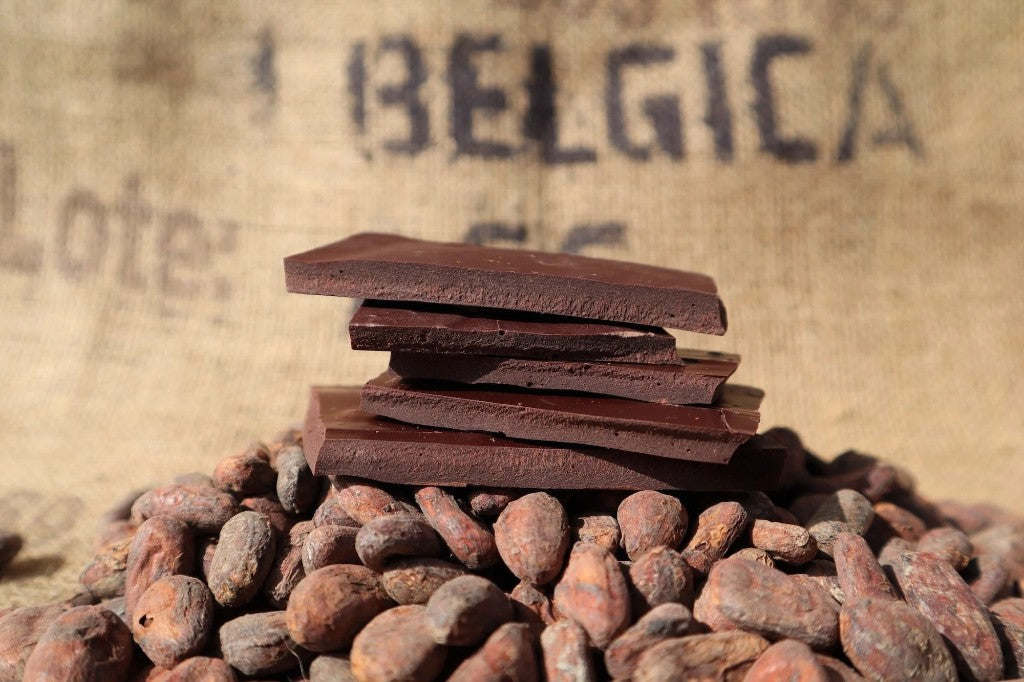
  1. For a pure cacao drink, allow 20–30 g per cup, or 30–40 g for a denser texture. With a chocolate bar, adjust the amount to your taste: it already contains sugar.
  2. Grate or break up the cacao or chocolate.
  3. Heat the water, or a plant-based drink, without bringing it to the boil: 60 to 65 °C at most.
  4. Pour over the pieces, let them melt, then beat with a whisk or a molinillo until you get an even foam.
Sale price€9,50
Size: 60 gr

In stock · Ships within 24 to 72 hours

  • Shipped Monday and Thursday

  • Stone ground

Ingrédients & valeurs nutritionnelles

Cocoa mass, cocoa butter. Cocoa solids: 100%.

Valeurs moyennes pour 100 g
Énergie 2479 kJ / 600 kcal
Matières grasses 50,3 g
dont acides gras saturés 30,1 g
Glucides 30,6 g
dont sucres 0,3 g
Fibres alimentaires 14,7 g
Protéines 13,5 g
Sel < 0,013 g

May contain traces of nuts. Made in a workshop that also handles other nuts.

The terroir

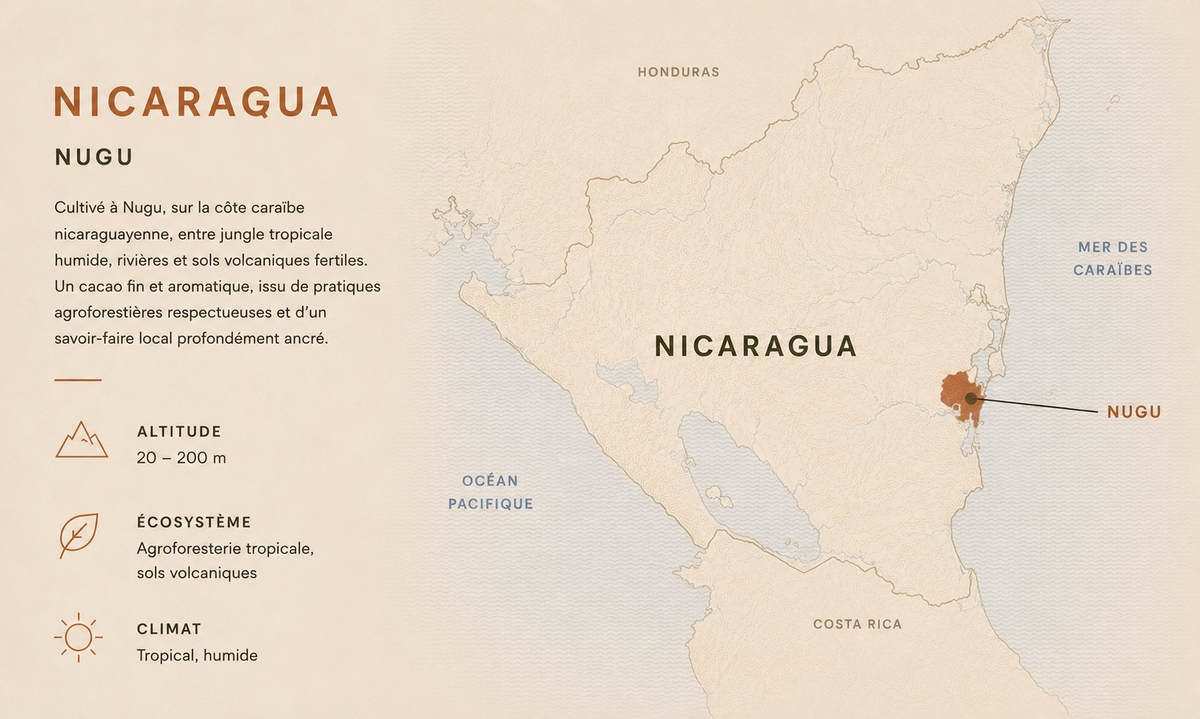
In the Caribbean plains of southern Nicaragua, Nueva Guinea has a humid tropical climate, between 20 and 200 m. Nugu comes from eleven plots, whose harvests Ingemann brings together to ferment in wooden boxes.
Country Nicaragua
Harvest October to February
Altitude 20–200 m
Fermentation In wooden boxes, by Ingemann
Drying Slow solar drying
Roasting Lightly roasted
Carte du terroir
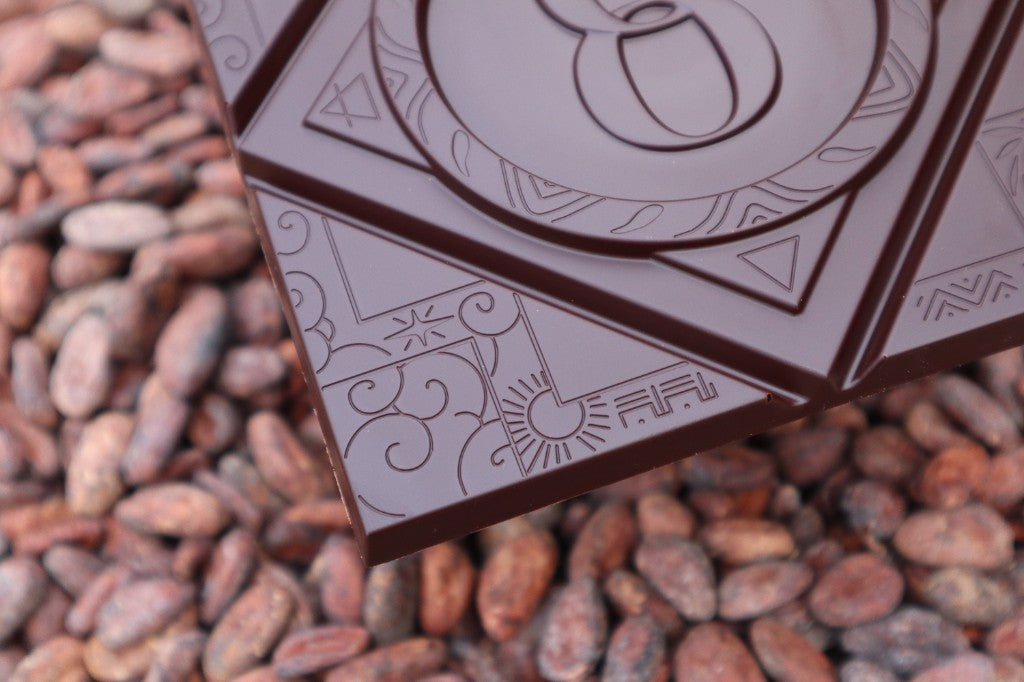
Tablette MOOJO #Taille_60 gr
Nicaragua · Nugu · Ceremonial cacao60 gr Sale price€9,50

Nueva Guinea · Nugu

Nugu

Une ville ouverte dans la forêt en 1965.

Territory

A town opened up in the forest in 1965

On 5 March 1965, an agricultural colony opens in the forest of Caribe Sur. Farming families from León, Chinandega, Carazo and Chontales receive land.

In 1971, the eruption of Cerro Negro drives other families from their crops. They move to Nueva Guinea. They come from the dry Pacific; here, they have to learn to farm in the rain.

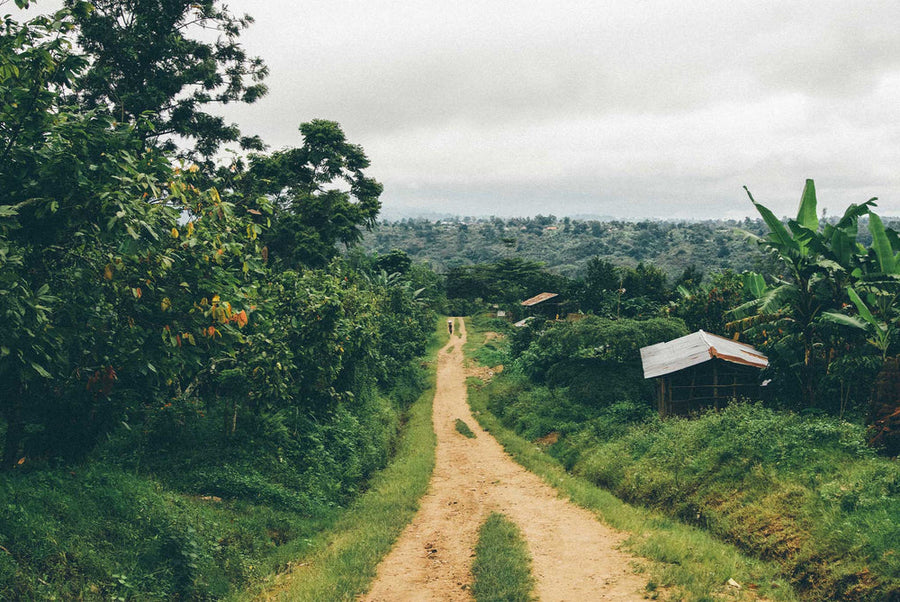
Collines autour de Nueva Guinea, Nugu

The gesture

Eleven plots, a single micro-lot

Nugu brings together the harvests of eleven plots. Ingemann Fine Cocoa, which started out in beekeeping, has worked with cacao since 2013 and runs the fermentation according to a written protocol.

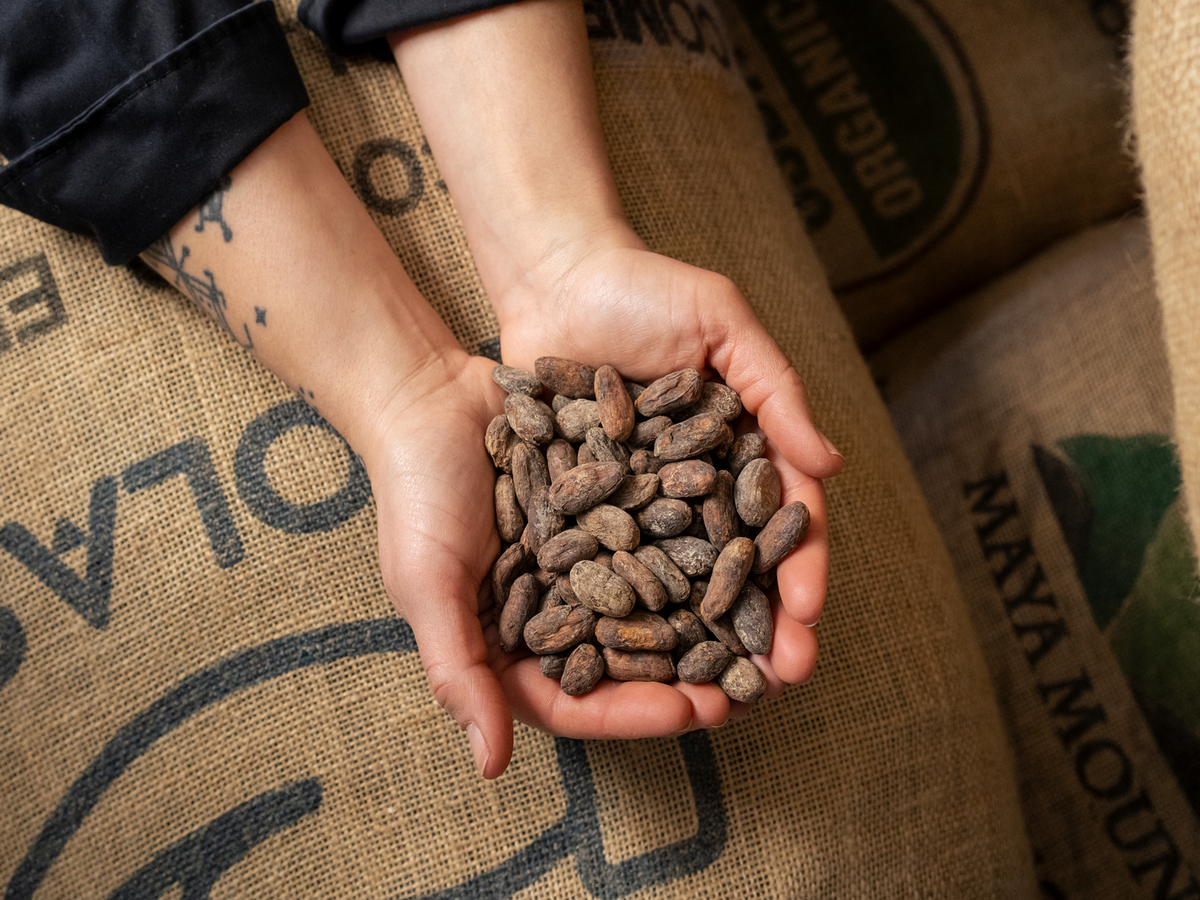
The beans arrive pale, still wrapped in their pulp. A jute cloth is folded down over the boxes. For several days, the beans turn brown beneath the cloth.

Fèves sous une toile de jute, Nugu

The place

Cacao arrives after the cattle

In Nueva Guinea, pasture has pushed east, right up to the edges of the Indio Maíz reserve, where the jaguar and Baird's tapir still live. Part of the reserve is administered by the Rama-Kriol territorial government.

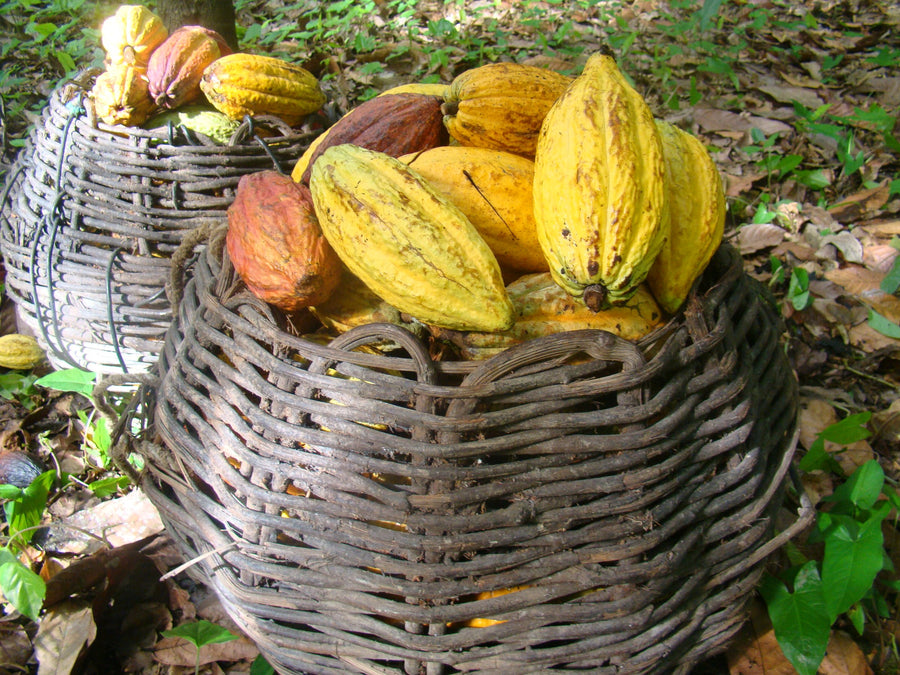
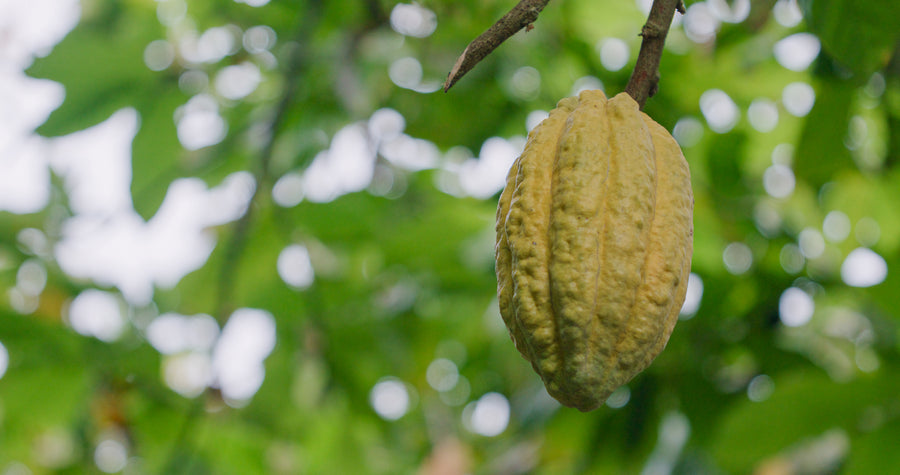
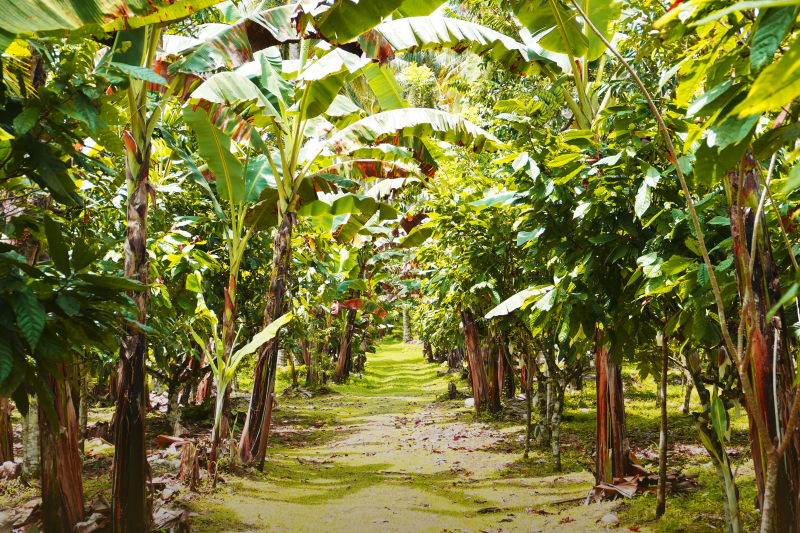
Cacao came later to this landscape. It grows beneath the trees: the pod ripens at hand height, next to a banana plant from which the bunch and the flower hang.

Cacao arrives after the cattle

Genetics

A trinitario acriollado

Nugu is a trinitario acriollado: a trinitario that has drifted towards criollo, finer, less tannic. The harvest runs from October to February. A lowland cacao that behaves like a highland one, which is not common.

Nos fèves sont sourcées par Crafting Markets.

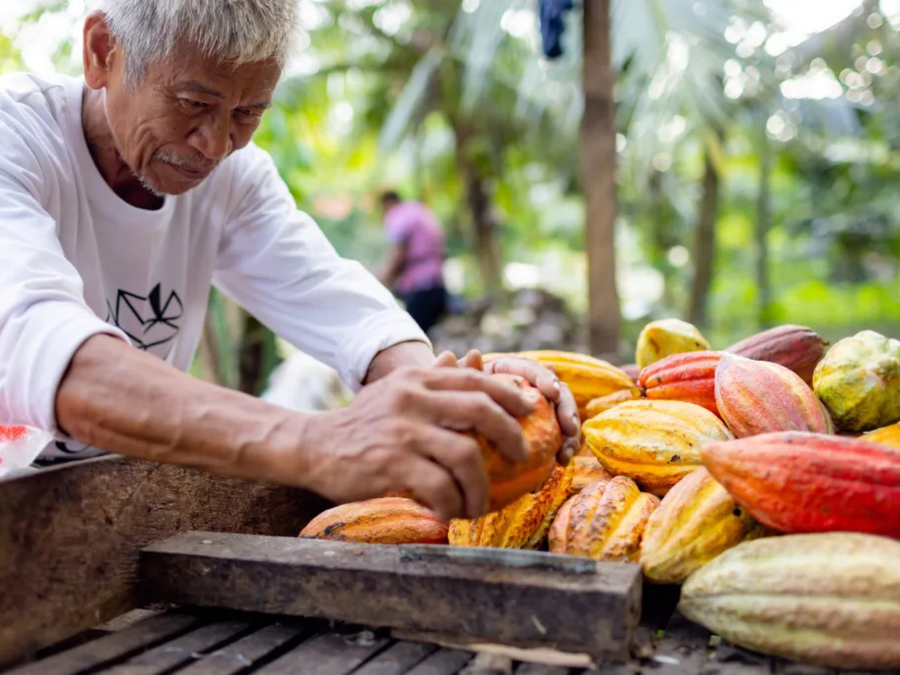
Ouverture des cabosses, Nugu