Skip to content

Cart

Your cart is empty

Continue shopping
EXPLORER LES ORIGINES
Voir toutes les origines

La Esperanza

Lightly roasted

El Turpial, San Juan de Arama, Criollo

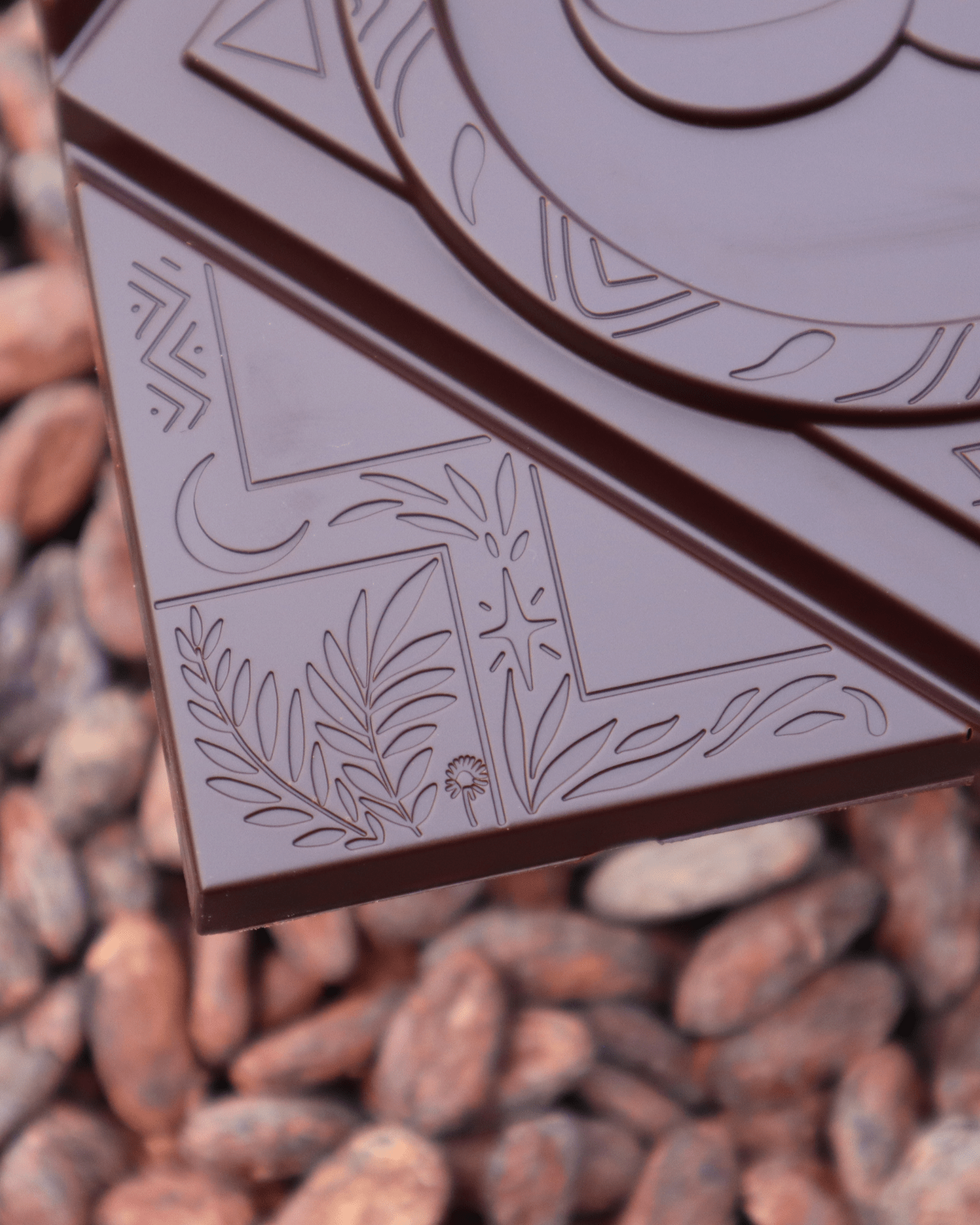
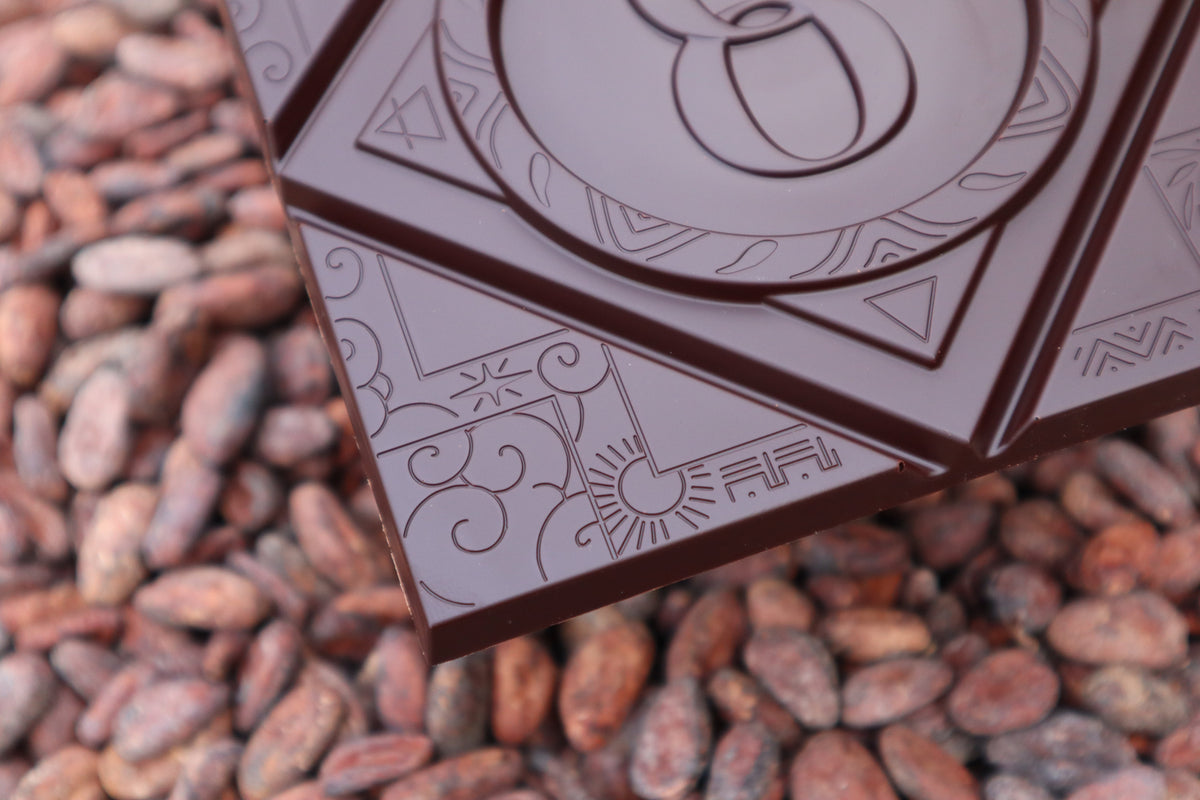
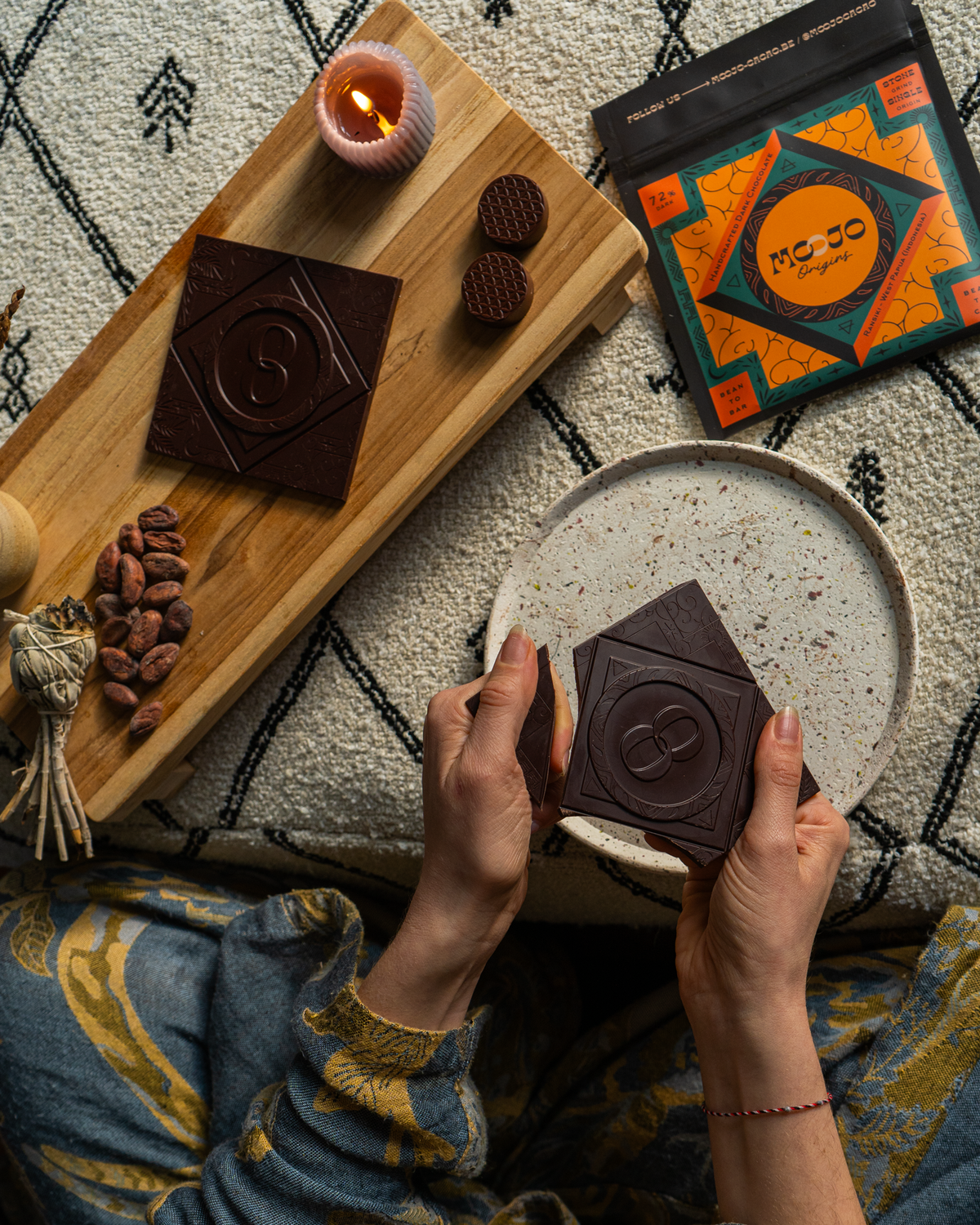
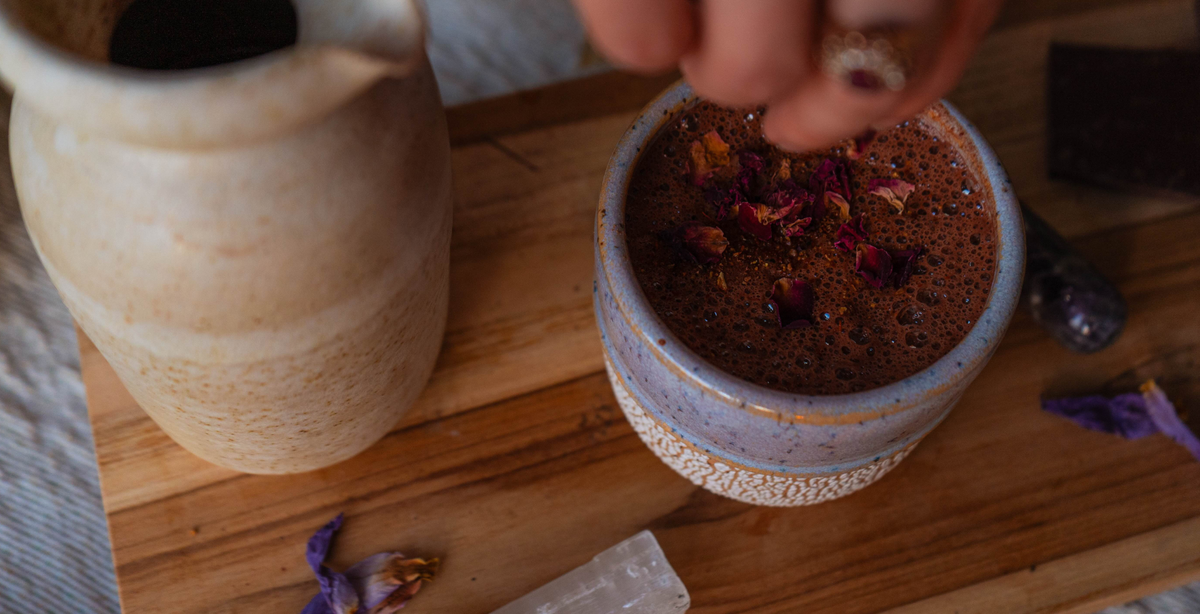
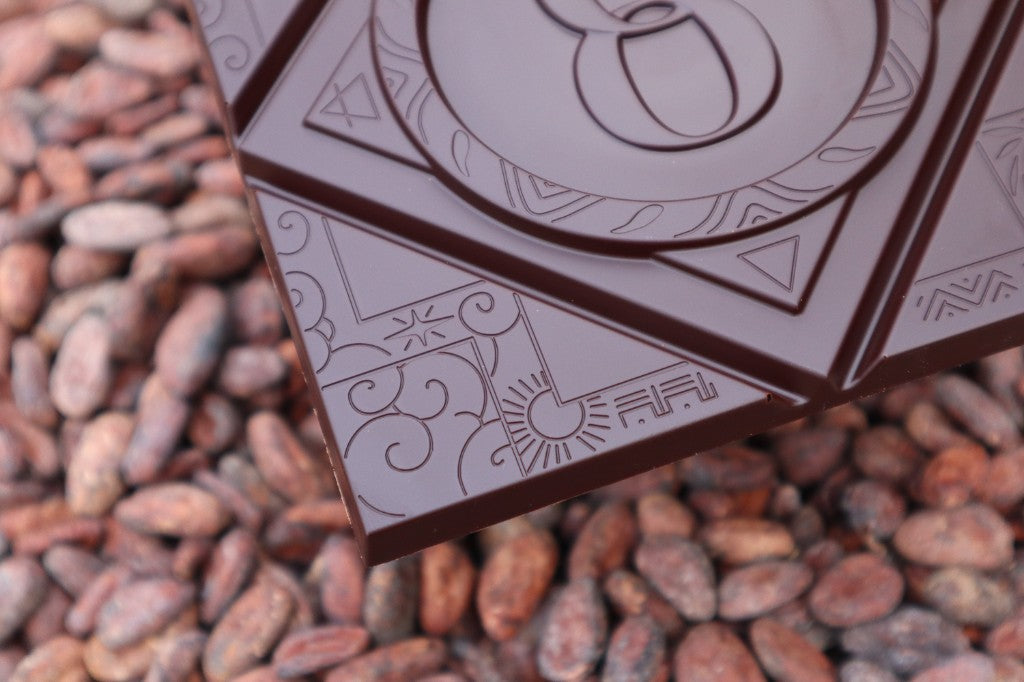
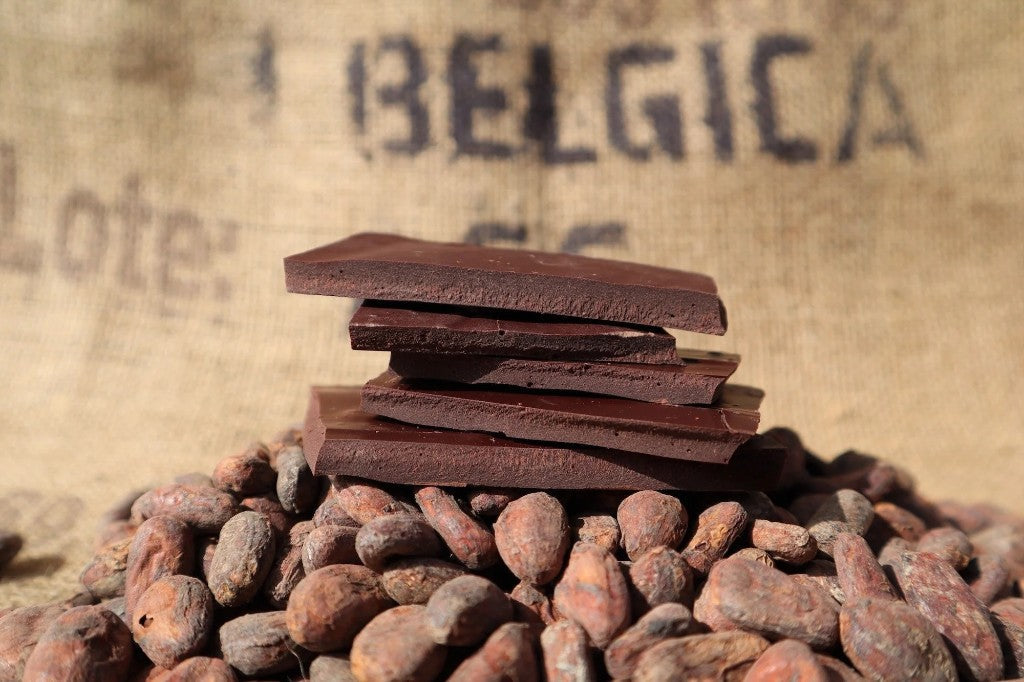
La Esperanza. Tablette, sachet et tasse.
Join us on Monday 26 October. Voices of Cacao Where the ritual begins Songs, gestures, films and readings from the lands where cacao grows. Get my access (opens in a new tab) the Meta 7 to listen · 5 to watch · 3 to read

Tasting notes

Smooth & Round · Fruity

Texture

Round & umami

Cultivar

Criollo

Recommended dose

20–30 g per ritual

  • Everyday 10–20 g
  • Creative 20–30 g
  • Ceremonial 30–40 g
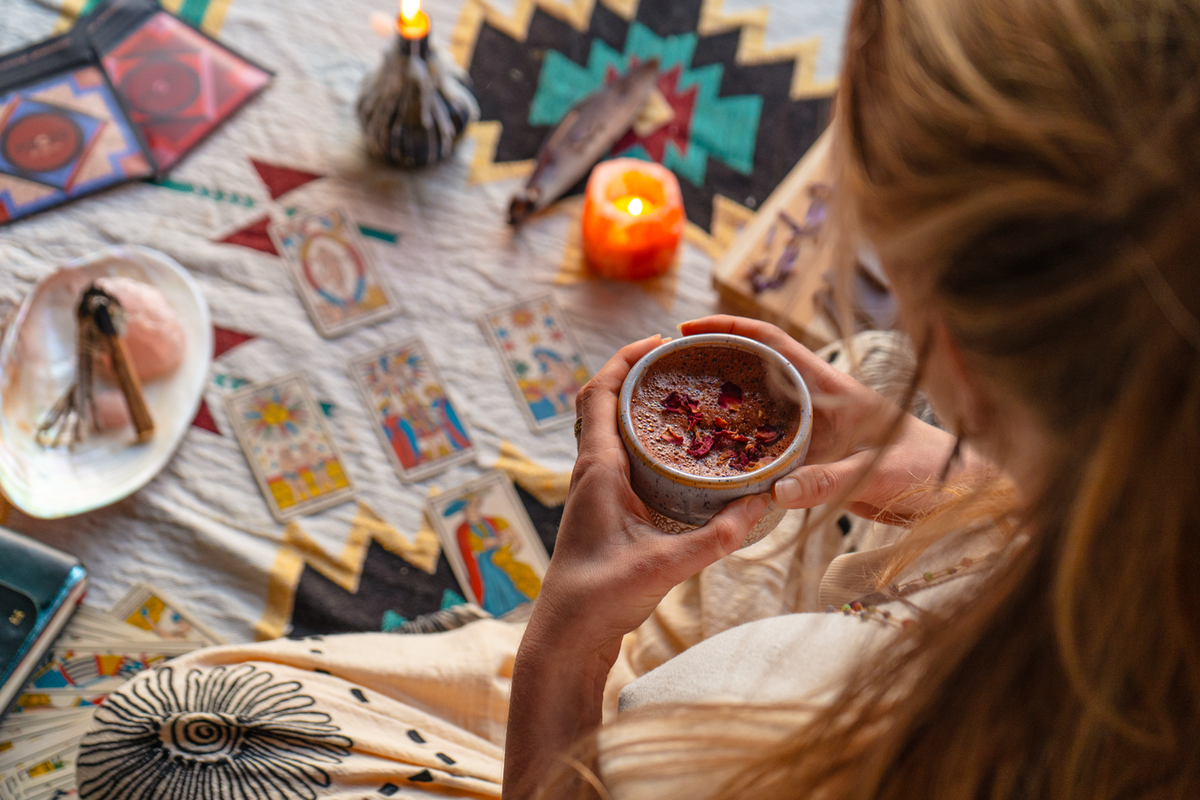
Making a drink
  1. For a pure cacao drink, allow 20–30 g per cup, or 30–40 g for a denser texture. With a chocolate bar, adjust the amount to your taste: it already contains sugar.
  2. Grate or break up the cacao or chocolate.
  3. Heat the water, or a plant-based drink, without bringing it to the boil: 60 to 65 °C at most.
  4. Pour over the pieces, let them melt, then beat with a whisk or a molinillo until you get an even foam.
Sale price€9,50
Size: 60 gr

In stock · Ships within 24 to 72 hours

  • Dispatched Monday and Thursday

  • Stone grinding

Ingrédients & valeurs nutritionnelles

Cocoa mass, cocoa butter. Cocoa solids: 100%.

Valeurs moyennes pour 100 g
Énergie 2479 kJ / 600 kcal
Matières grasses 50,3 g
dont acides gras saturés 30,1 g
Glucides 30,6 g
dont sucres 0,3 g
Fibres alimentaires 14,7 g
Protéines 13,5 g
Sel < 0,013 g

May contain traces of nuts. Made in a workshop that also handles other nuts.

The terroir

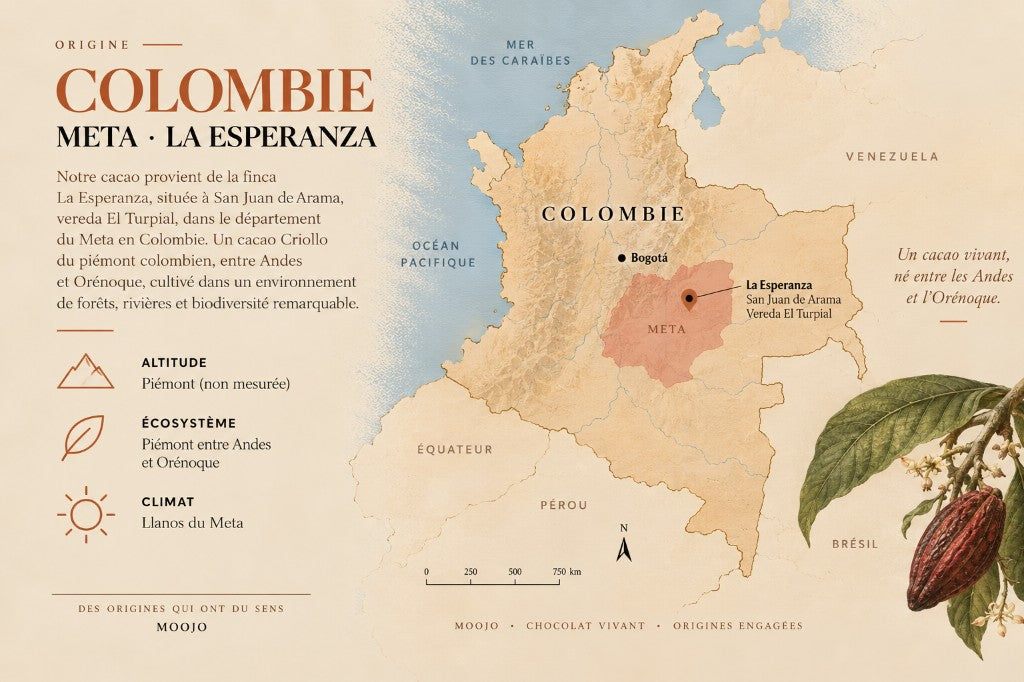
A single farm in Meta, La Esperanza, where María Gloria Villamizar grows this cacao. A criollo moderno from the Colombian foothills, where the Andes come down to the great plains of the Orinoco.
Country Colombia
Harvest October to February (secondary harvest in June and July)
Altitude about 510 m
Fermentation 4 days, three turns
Drying In the sun
Roasting Lightly roasted
Carte du terroir
Tablette MOOJO #Taille_60 gr
Colombia · La Esperanza · Ceremonial cacao60 gr Sale price€9,50
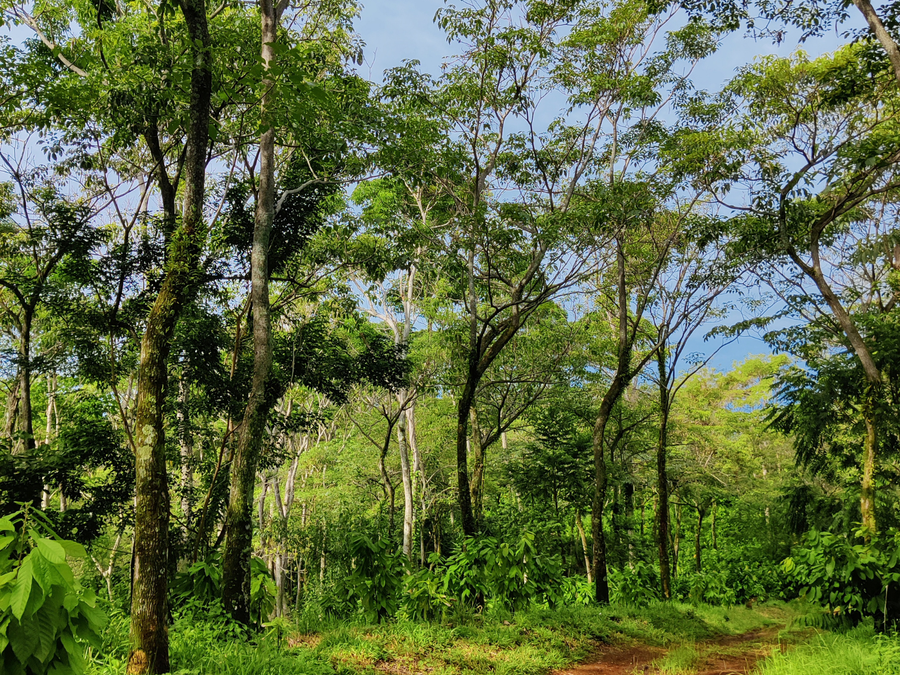
The canopy and the sky. El Turpial, San Juan de Arama.

El Turpial · San Juan de Arama

Ceux qui sont restés

En 1964, une soixantaine de familles du Cundinamarca et du Tolima, chassées par la guerre civile, fondent Vista Hermosa, au pied de la Macarena. Elles défrichent, et elles restent.

Dans la commune voisine, à La Esperanza, María Gloria Villamizar cultive le cacao de cette barre.

Territory

At the foot of the Macarena

La Esperanza lies in San Juan de Arama, in Meta, at the foot of the Serranía de la Macarena. This massif is among the oldest rock in South America, and one of the few places where three worlds meet: the Andes, the Amazon and the Orinoco plains. It was the first nature reserve in Colombia to be created by law.

Today the region is protected, and divided up so that forest and crops can live side by side. The cacao of La Esperanza grows there in the shade of the trees.

The waterfall at Vista Hermosa, the neighbouring municipality.

Peoples

In the land of llanero songs

María Gloria Villamizar grows this cacao at La Esperanza, in the heart of llanero country. Here, people still sing to drive the herds: these a cappella work songs are inscribed by UNESCO as heritage in need of urgent safeguarding.

On festive evenings, there is joropo, with harp, cuatro and maracas, a dance that a Spanish governor had tried to ban in the eighteenth century. It is still danced.

Cacao came later, as a crop of peace: it was encouraged in the region to replace illicit crops.

Cimarrón · Orinoco

Workshop

The paleness of the bean

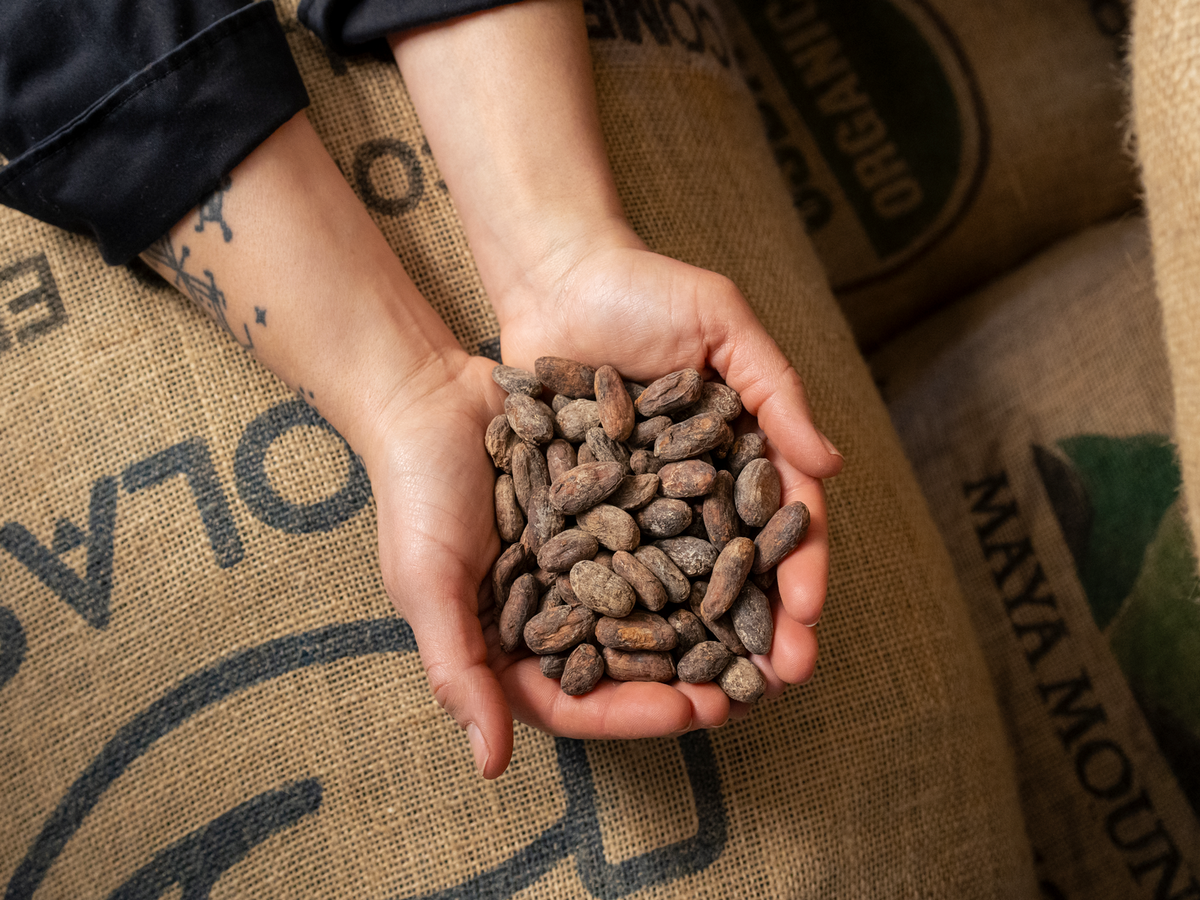
The paleness of this bean strikes you as soon as it is opened. On the palate, it is soft and round, with a fruity note.

On the farm, the harvest runs from October to February and resumes in June and July. Four days in wooden boxes, three turnings, then the sun. In Heks, it is either lightly roasted or left unroasted, depending on the version you choose.

The wooden fermentation boxes.
Cacao flowers, growing straight from the trunk.

Genetics

White and purple beans in the same pod

3 cultivarsCriollo

La Esperanza cultive un criollo moderno, issu de trois cultivars colombiens.

Ouvrez une cabosse et vous verrez, côte à côte, des fèves presque blanches et des fèves d'un violet pâle.

Nos fèves sont sourcées par Cacao de Colombie.

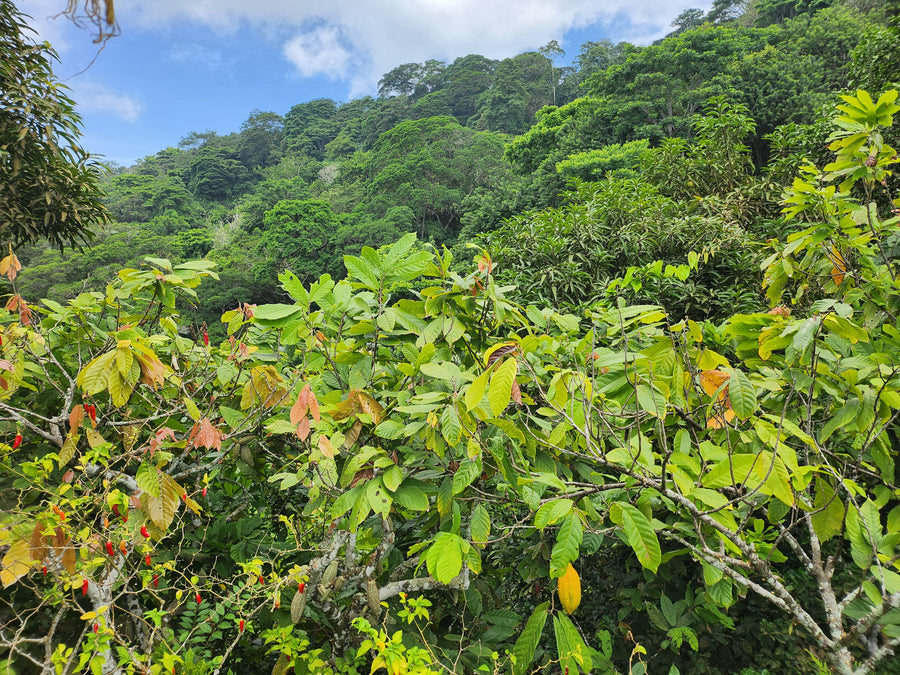
The cacao trees of La Esperanza, laden with pods.
An open pod, white and purple beans.

Les Jiw

Kuwoi Wujan

Bien avant les familles de 1964, les Jiw parcouraient cette région. Les Colombiens les appellent Guayabero, du nom du fleuve qui longe la Macarena : ils sont originaires de ses rives et du bassin de l'Ariari. C'est l'un des derniers peuples semi-nomades de Colombie. Ils chassent à l'arc, pêchent, et cultivent le manioc, le maïs, la banane plantain.

Ils sont aujourd'hui un peu moins de 3 000, installés le long du fleuve Guaviare, entre le Meta et le Guaviare. Leur langue appartient à la famille guahibo, et leur monde se transmet par la parole.

Ce film raconte l'une de leurs histoires : comment sont nés les dangers de la forêt. Il a été réalisé avec la communauté jiw de La María, qui a choisi ce qu'elle voulait transmettre, et comment.

Kuwoi Wujan · José Luis Cote et la communauté jiw de La María · 2016 · avec le soutien de la GIZ