




EXPLORER LES ORIGINES
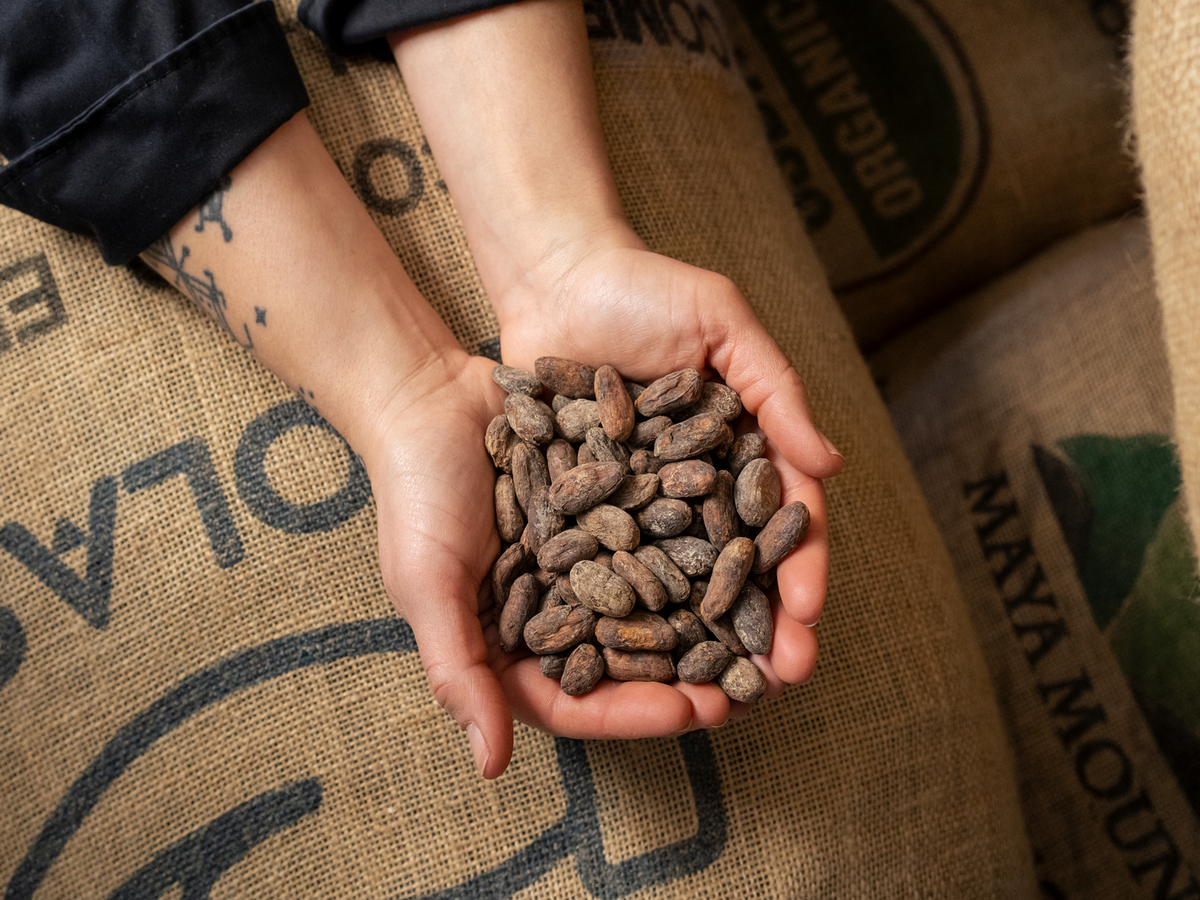
- BELIZE Maya Mountain
- BRAZIL Jorge Takahashi
- COLOMBIA La Esperanza
- COLOMBIA Urumo
- COLOMBIA UrumoRAW
- EL SALVADOR Hacienda La Carrera
Voir toutes les origines
- ECUADOR Nacional Kallari
- ECUADOR Nacional KallariRAW
- GUATEMALA Acopio
- GUATEMALA Lachuá
- GUATEMALA Tuq'tuquilal
- INDONESIA Ransiki
- MEXICO Criollo Blanco Yakaw
- MEXICO Revival
- NICARAGUA Nugu
- UGANDA Semuliki
- PERU Alto Miro
- PERU Alto MiroRAW
- PERU Chinim Wawas
- PERU Alto Huayabamba
- PERU Chuncho
- PERU Piura Blanco
- PERU Piura BlancoRAW
- PHILIPPINES Mana
- DOMINICAN REPUBLIC Öko Caribe
- SÃO TOMÉ Amelonado
- SÃO TOMÉ AmelonadoRAW
Maya Mountain
Lightly roasted
Toledo, cacao beneath the fruit trees



Tasting notes
Caramelised / Honey · Fruity
In stock · Ships within 24 to 72 hours
-
Shipped Monday and Thursday
-
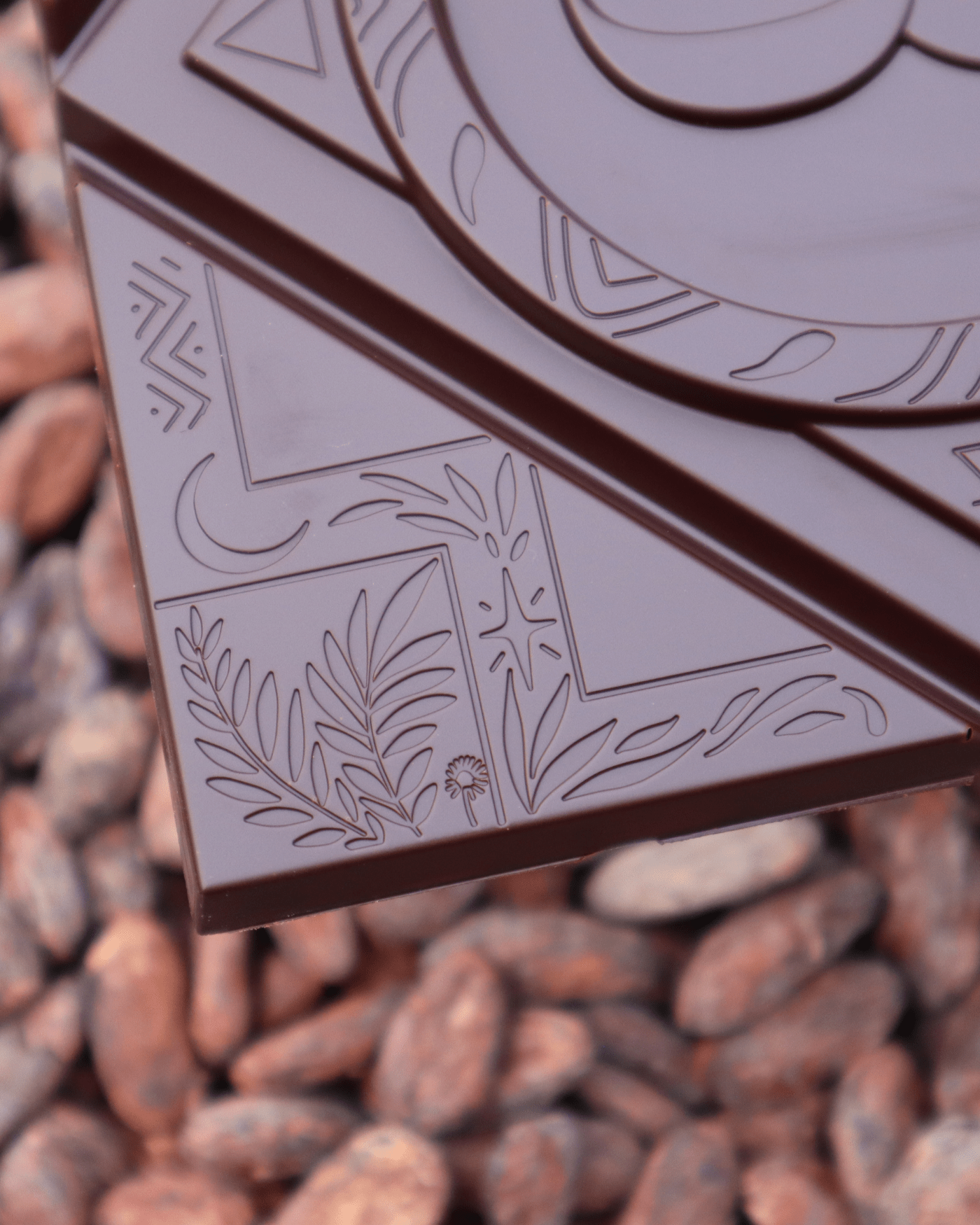
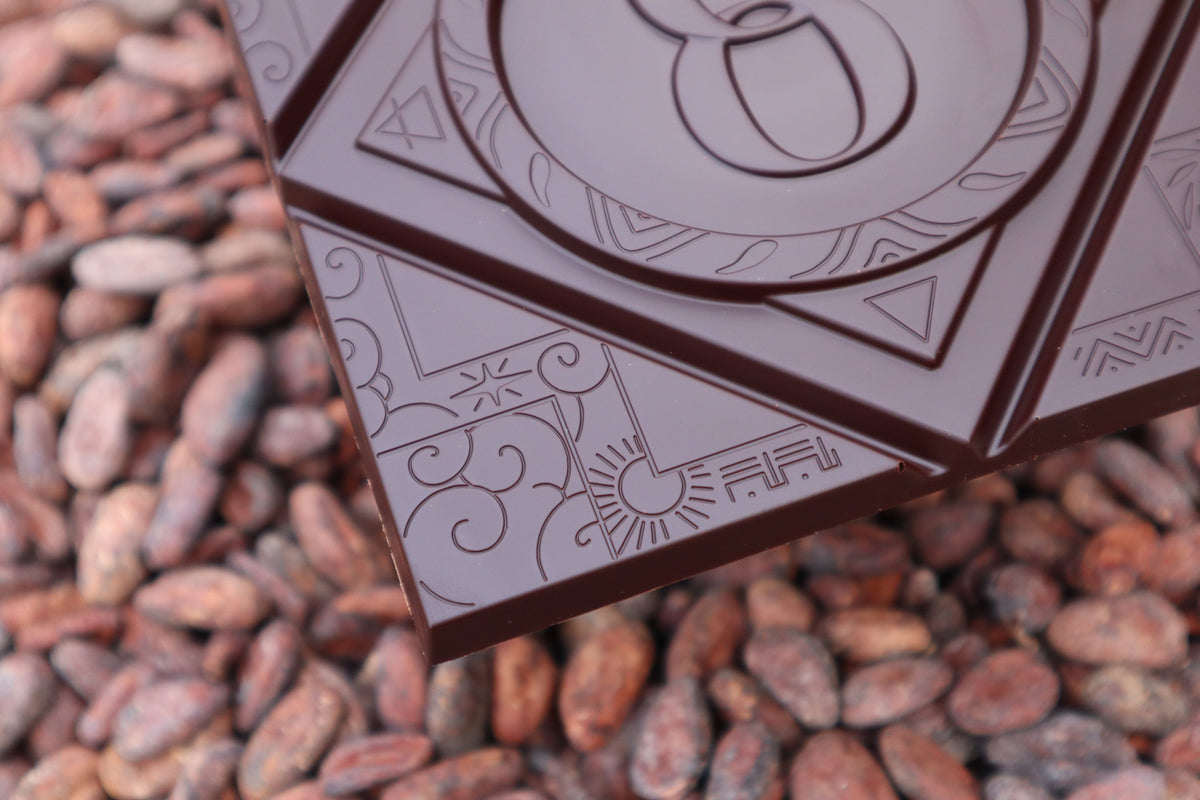
Stone ground
Ingrédients & valeurs nutritionnelles
Cocoa mass, cocoa butter. Cocoa solids: 100%.
| Énergie | 2479 kJ / 600 kcal |
|---|---|
| Matières grasses | 50,3 g |
| dont acides gras saturés | 30,1 g |
| Glucides | 30,6 g |
| dont sucres | 0,3 g |
| Fibres alimentaires | 14,7 g |
| Protéines | 13,5 g |
| Sel | < 0,013 g |
May contain traces of nuts. Made in a workshop that also handles other nuts.
The terroir
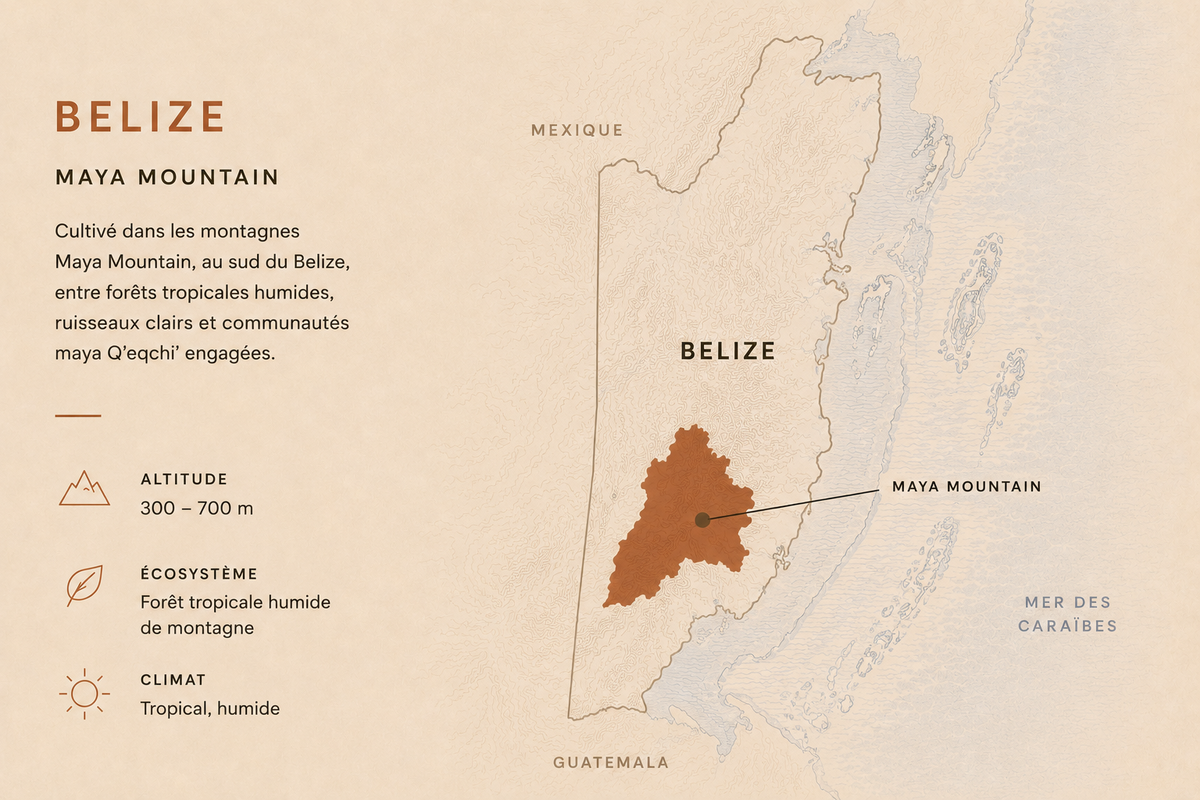
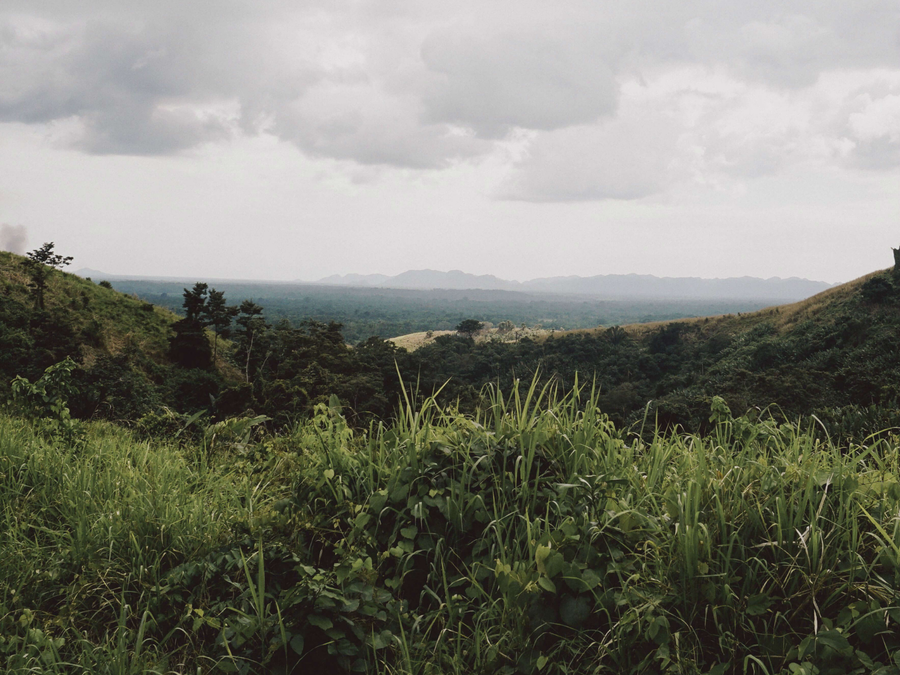
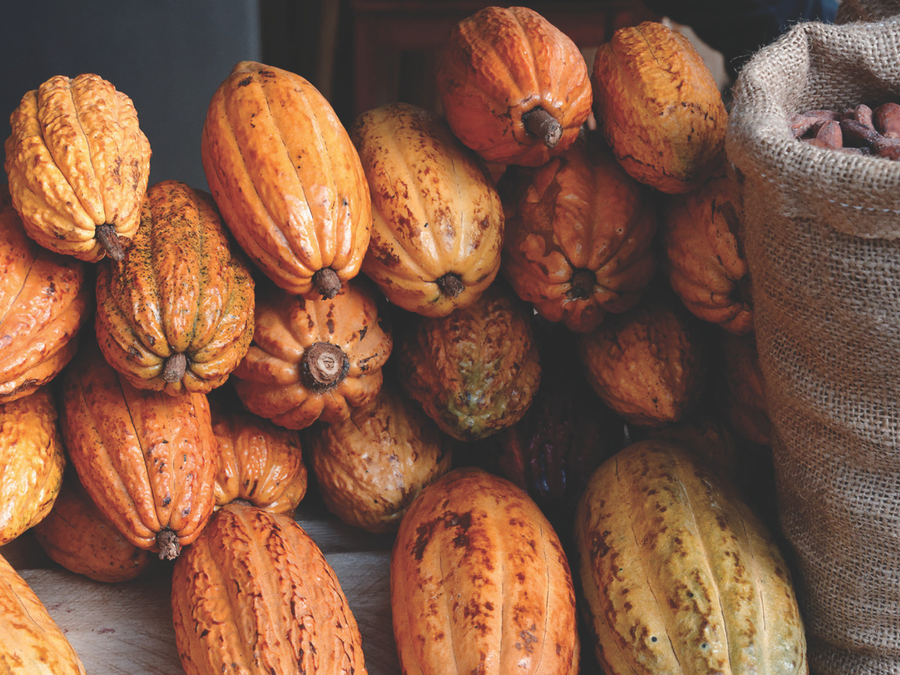
Toledo District, between 30 and 300 m: karstic limestone soil on the edge of the lowland tropical forest. Q'eqchi' and Mopan Maya families grow Amelonado and Forastero cacao here, beneath the fruit trees; it is then dried in the sun.
Country
Belize
Harvest
August to January (secondary harvest November to December)
Altitude
30–300 m
Fermentation
6–7 days, centralised fermentation
Drying
Solar drying in three stages
Roasting
Lightly roasted
Belize · Maya Mountain · Ceremonial cacao500 gr
Sale price€43,00
Belize · Maya Mountain · Ceremonial cacao
BelizeMaya Mountain
Toledo, cacao beneath the fruit trees
Profil aromatiqueCaramelised / Honey · Fruity

Toledo · Maya Mountain
Maya Mountain
Le cacao de Toledo a 1 200 ans.
Community
Two flights, a trial, a vote

Post-harvest
Paid the same day, fermented at the centre

Agroforestry
One hectare, and the massif above
Crossing
Travelled by wind, it is written on it

Other expressions of our cacao...
 Chocolat noir
Caramelised / Honey · Fruity
Back soon
76 %Amelonado · Forastero
 100% Cacao
 100% Cacao
 100% Cacao
Nutty / Praline · Fruity
From €9,50
100 %Chuncho