Skip to content

Cart

Your cart is empty

Continue shopping
EXPLORER LES ORIGINES
Voir toutes les origines

Nacional Kallari

Lightly roasted

Amazonia & Chakra Kichwa

Nacional Kallari

Notes de dégustation

Floral · Soft & Round

Texture

Floral & velvety

Cultivar

Nacional

Dose recommandée

20–30 g per ritual

  • Everyday 10–20 g
  • Creative 20–30 g
  • Ceremonial 30–40 g
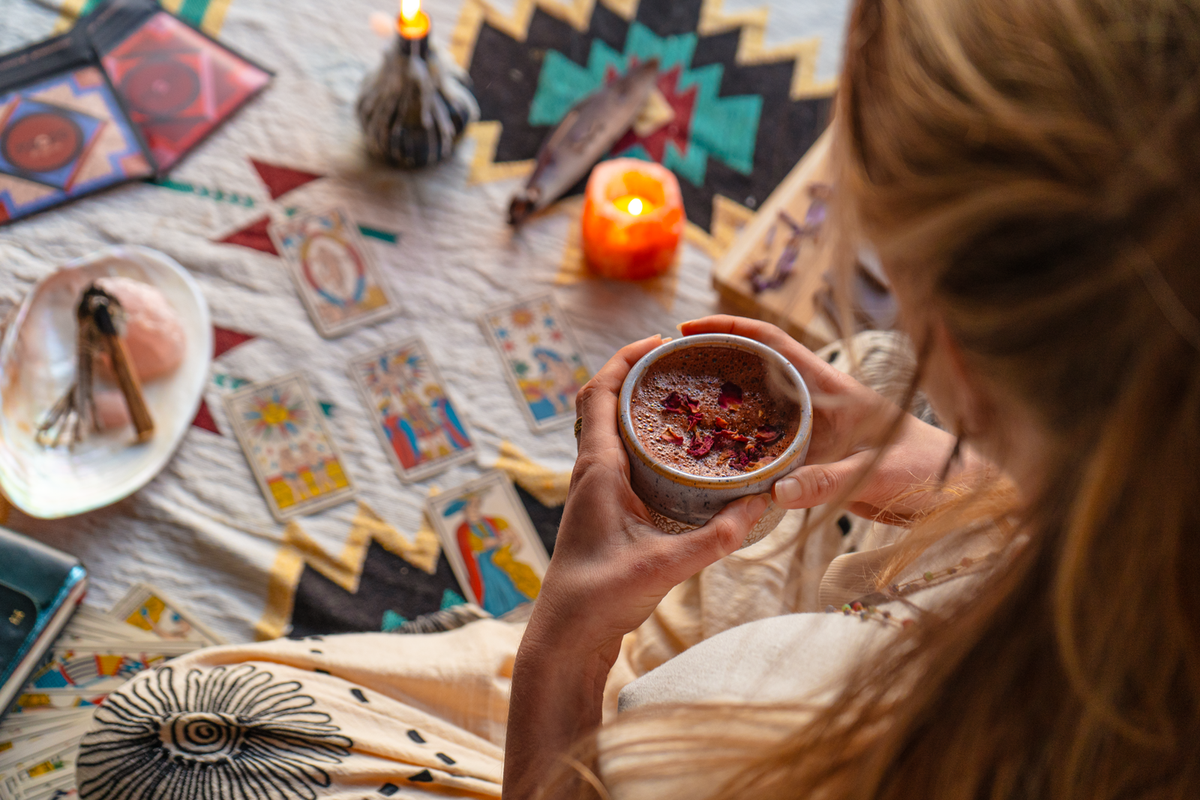
Making a drink
  1. For a pure cacao drink, allow 20–30 g per cup, or 30–40 g for a denser texture. With a chocolate bar, adjust the amount to your taste: it already contains sugar.
  2. Grate or break up the cacao or chocolate.
  3. Heat the water, or a plant-based drink, without bringing it to the boil: 60 to 65 °C at most.
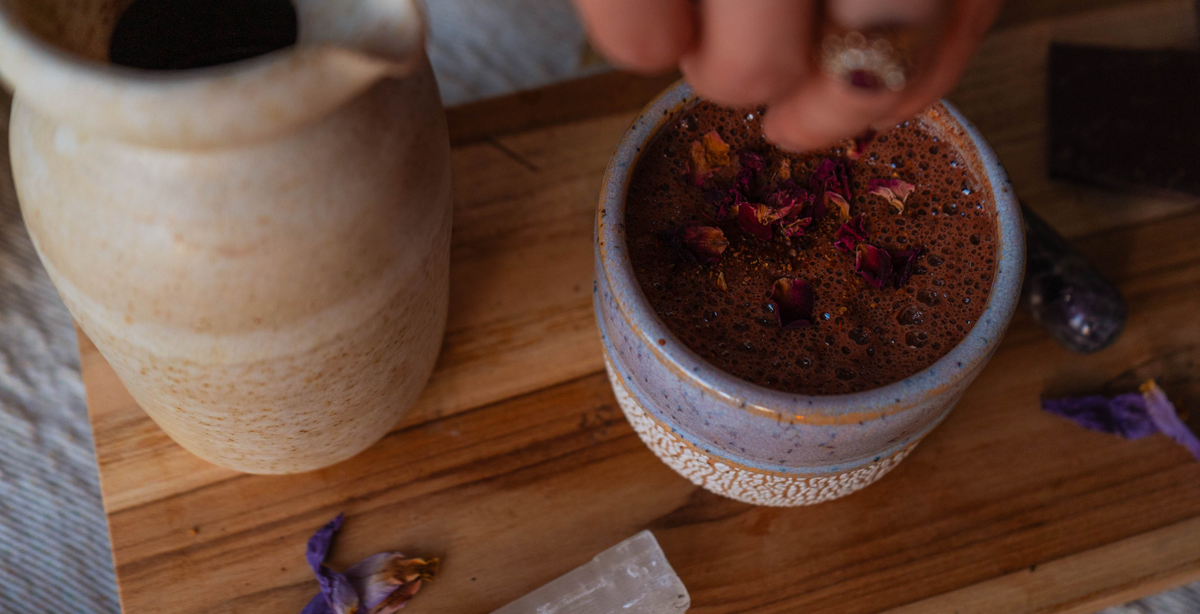
  4. Pour over the pieces, let them melt, then beat with a whisk or a molinillo until you get an even foam.
Sale price€9,50
Size: 60gr

En stock · Expédition sous 24 à 72h

  • Envoi lundi et jeudi

  • Broyage sur pierre

Ingrédients & valeurs nutritionnelles

Cocoa mass, cocoa butter. Cocoa solids: 100%.

Valeurs moyennes pour 100 g
Énergie 2479 kJ / 600 kcal
Matières grasses 50,3 g
dont acides gras saturés 30,1 g
Glucides 30,6 g
dont sucres 0,3 g
Fibres alimentaires 14,7 g
Protéines 13,5 g
Sel < 0,013 g

May contain traces of nuts. Made in a workshop that also handles other nuts.

The terroir

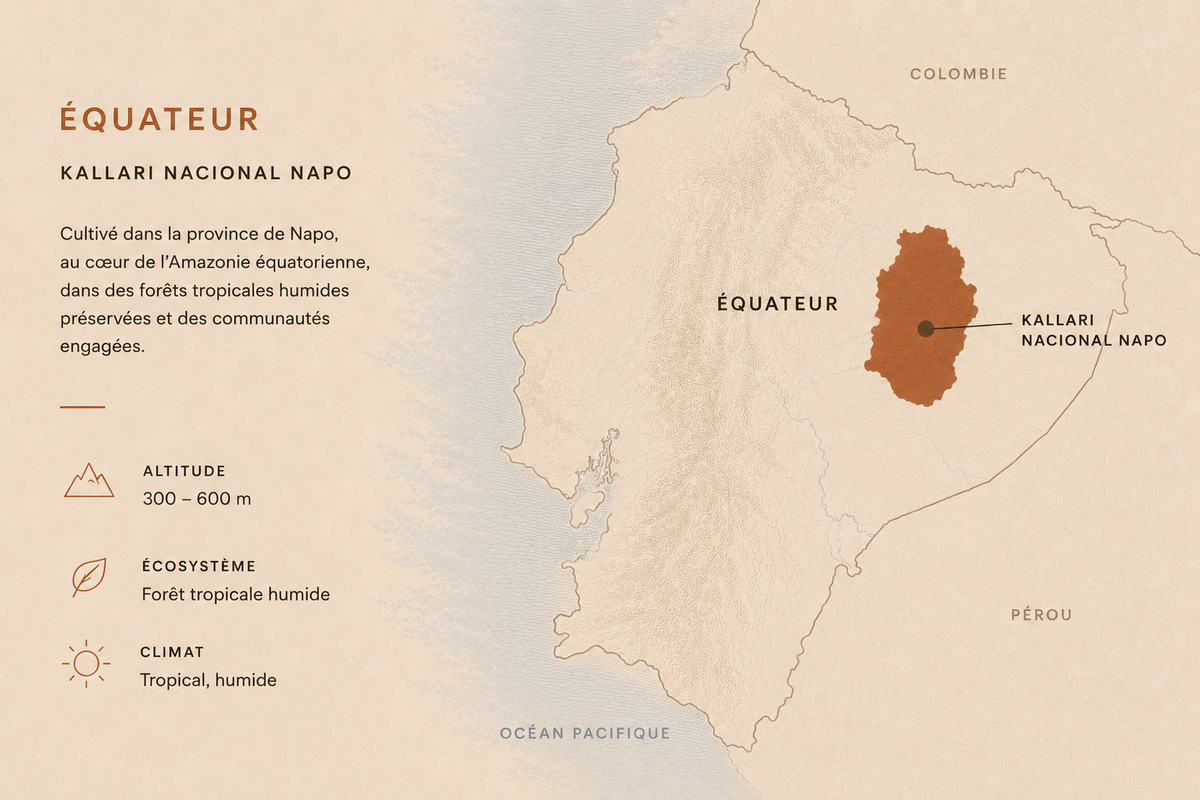
Upper Amazon of the Napo, between 300 and 700 m: the Kichwa chakra, an ancestral agroforestry where Nacional cacao grows among dozens of food, fruit and forest species. A fine flavour cacao, which the Kallari communities ferment and dry slowly.
Country Ecuador
Harvest Spread across the year (seasonal peaks)
Altitude 300–700 m
Fermentation In boxes, at the cooperative
Drying Solar drying on raised beds
Roasting Lightly roasted
Carte du terroir
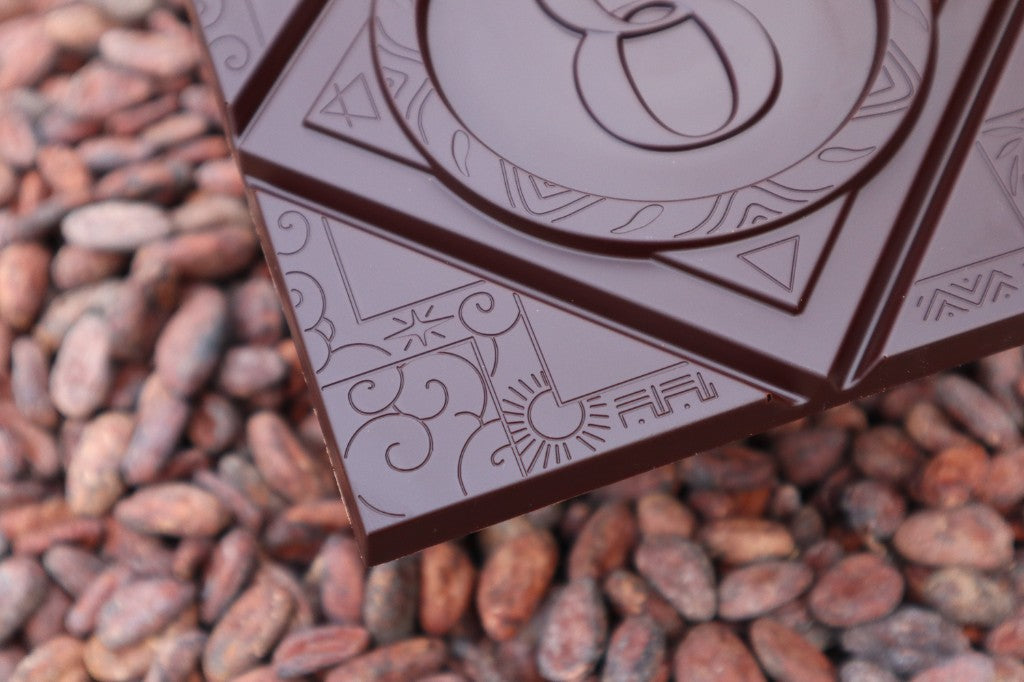
Tablette MOOJO #Taille_60gr
Ecuador · Nacional Kallari · Ceremonial cacao60gr Sale price€9,50

Napo · Kallari

Kallari

chakra amazónica

Territory

The garden FAO inscribed in 2023

In the Amazonian chakra of the Kichwa and the Kijus, crops occupy several tiers: trees above, cassava and shrubs, then taro and yam. Nacional cacao grows here alongside plantain, chonta palm and guayusa.

The FAO recognised this agricultural heritage in 2023. The plots follow a cycle of clearing, then return to forest. Further on, the río Napo comes down from the Andes and joins the Amazon.

The garden FAO inscribed in 2023

Peoples

Kallari means to begin

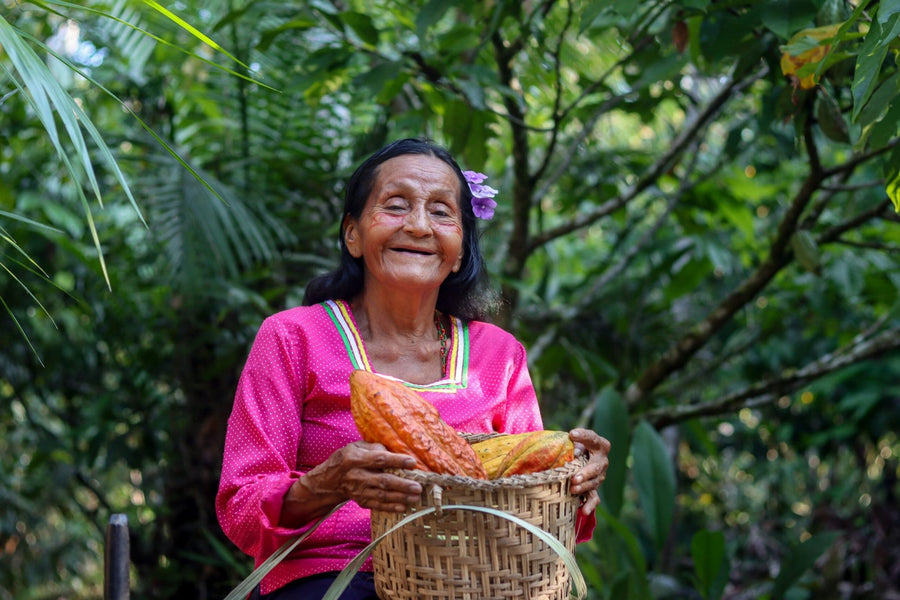
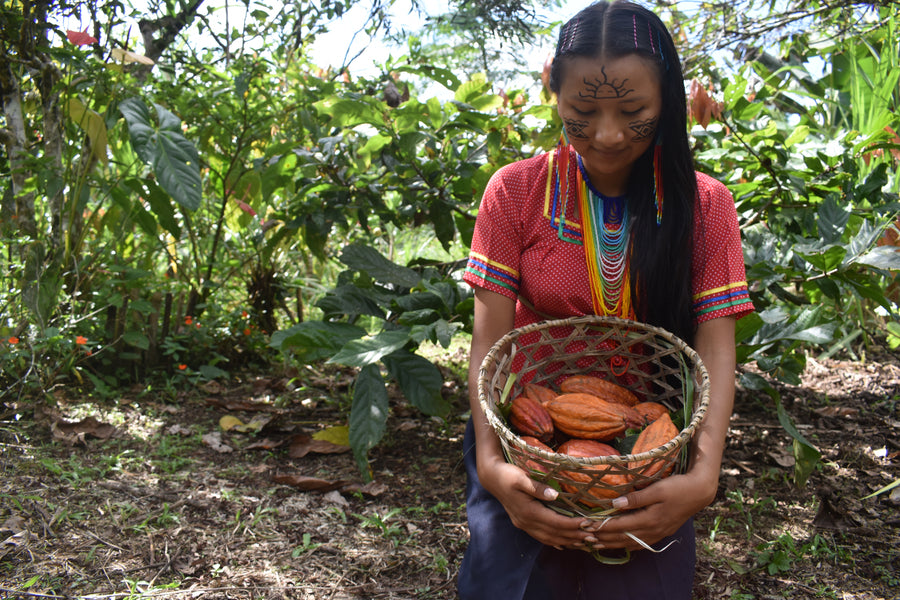
Kallari is a Kichwa word: to begin, the dawn. The association was founded in 1997 in Tena, capital of the Napo. In the chakra system, it is the woman who keeps the seeds and the household's food: she is called chagramama.

Collective work has its name too: the minga. A socio from Tena puts it this way: in two or three hours, a minga clears one or two hectares, where a man alone would take a year. And before daybreak, in the communities of the Napo, people rise to drink guayusa with their family and tell each other their dreams. This is called the wayusa upina. The dreams are interpreted: to dream of dogs is to dream of snakes, and you will need to be careful that day. Guayusa grows in the chakra, propagated from thirty-five-centimetre cuttings, and it is traditionally the woman who prepares the drink.

The language they speak is called runa shimi, the language of the people. The Kichwa inhabitants of the Napo call themselves Napu Runa.

Kallari means to begin

Post-harvest

Ten boxes numbered by stencil

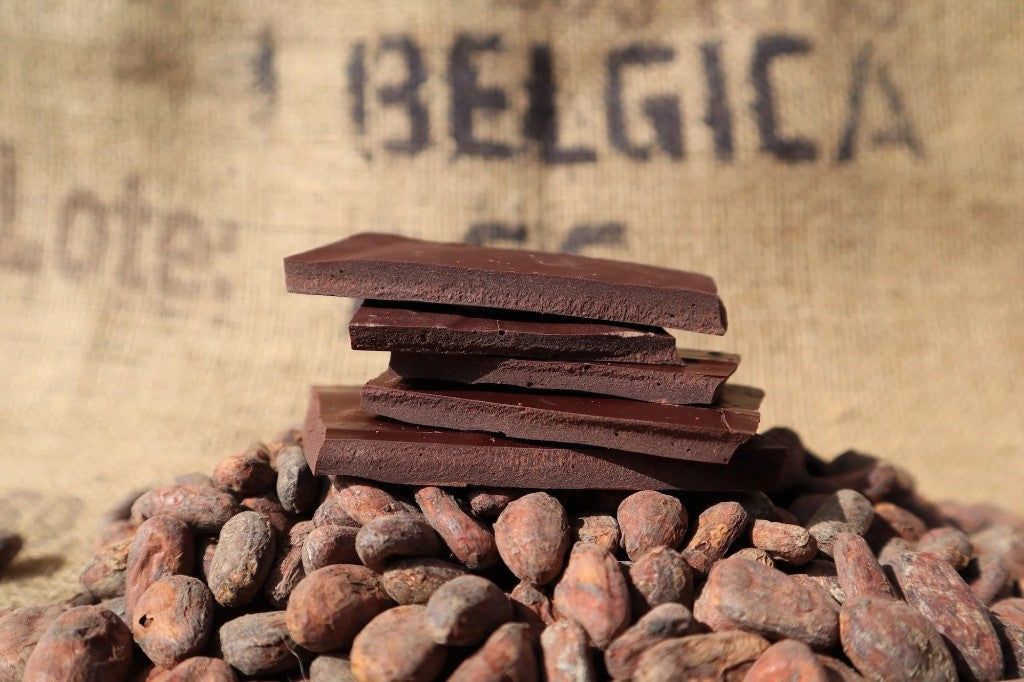
The beans arrive with their pulp at the collection centre. They pass through a cascade of wooden boxes numbered one to ten, stencilled with Kallari's rising sun, and ferment there for five days. Drying also takes five days, under a tunnel of clear tarpaulin, on wooden tables: a man pushes the beans with a long-handled rake to turn them.

Then the check is made with a blade. Bean by bean, laid one at a time in the slots of a guillotine, cut, and the colour of the kernel is examined. Sorting is done by hand. The cooperative handles all the post-harvest work in its own facilities: it grows, it ferments, it dries. The beans leave only once they are dry and sorted.

Ten boxes numbered by stencil

Genetics

Nacional, and the 70% that replaced it

Nacional is Ecuador's fine flavour cacao, and it has a birthplace. Surveying the Ecuadorian upper Amazon, geneticists from CIRAD and INIAP found that, of forty-nine trees recorded around Palanda, forty-four very closely resembled the Nacional reference samples: this is where the variety was domesticated. Since then, what is called Nacional on the plantations has become a mix of this ancestral Nacional and introduced Trinitario, and the CCN-51 clone, which is not a fine flavour cacao, accounts for 70% of the country's production.

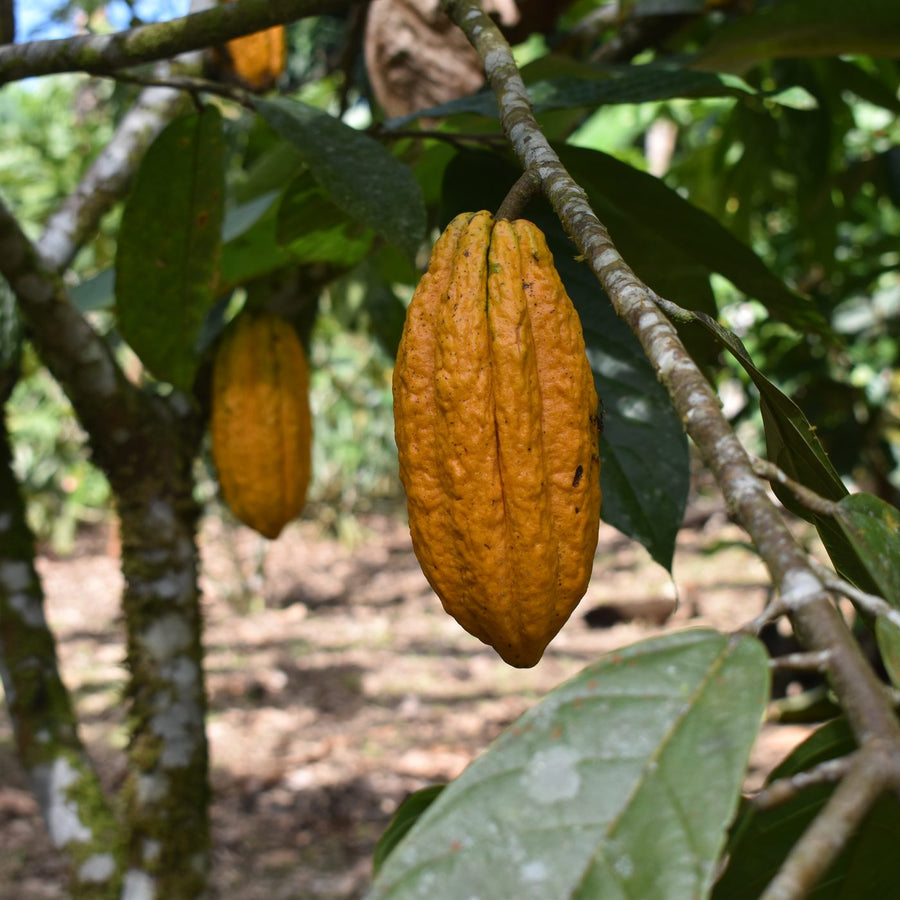
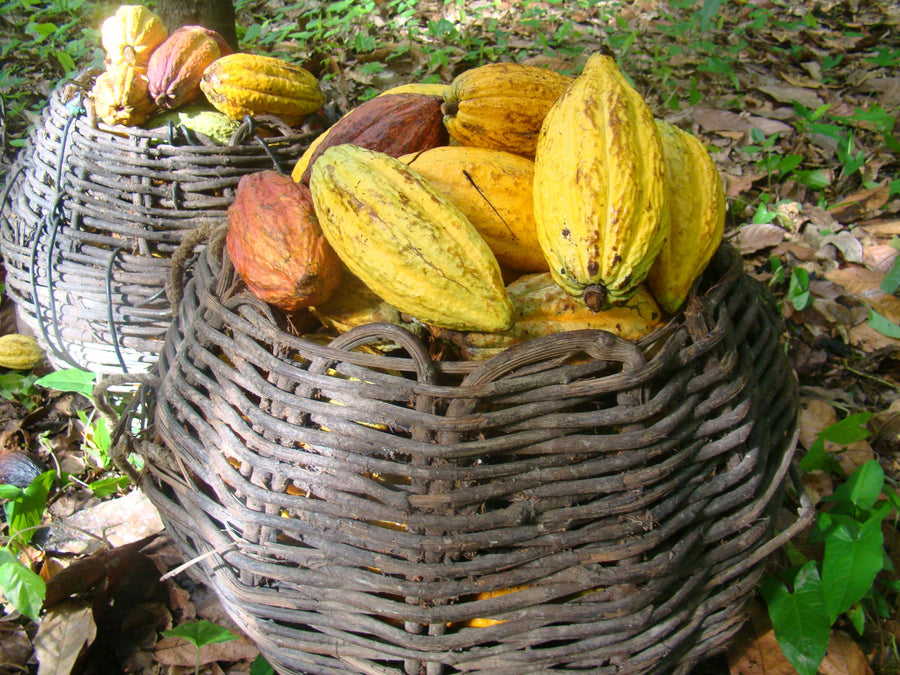
In the chakras of the Napo, the trees still grow from seed. That is why no two pods gathered from the ground share the same colour: orange, yellow, green, purple-brown, red. They grow straight from the trunk, beneath the moss. Sixty-six beans per hundred grams. On the palate, white flower, passion fruit and hazelnut.

Nos fèves sont sourcées par Crafting Markets.

Cabosses violettes sur l'arbre, Napo