Skip to content

Cart

Your cart is empty

Continue shopping
EXPLORER LES ORIGINES
Voir toutes les origines

Amelonado

Unroasted

West coast of São Tomé

Amelonado
Join us on Monday 26 October. Voices of Cacao Where the ritual begins Songs, gestures, films and readings from the lands where cacao grows. Get my access (opens in a new tab) São Tomé 7 to listen · 7 to watch · 4 to read

Tasting notes

Fruity

Texture

Fine & subtle

Cultivar

Amelonado

Recommended dose

20–30 g per ritual

  • Everyday 10–20 g
  • Creative 20–30 g
  • Ceremonial 30–40 g
Making a drink
  1. For a pure cacao drink, allow 20–30 g per cup, or 30–40 g for a denser texture. With a chocolate bar, adjust the amount to your taste: it already contains sugar.
  2. Grate or break up the cacao or chocolate.
  3. Heat the water, or a plant-based drink, without bringing it to the boil: 60 to 65 °C at most.
  4. Pour over the pieces, let them melt, then beat with a whisk or a molinillo until you get an even foam.
Sale price€27,00
Format: 240 gr

In stock · Ships within 24 to 72 hours

  • Shipped Monday and Thursday

  • Stone ground

Ingrédients & valeurs nutritionnelles

Cocoa mass, cocoa butter. Cocoa solids: 100%.

Valeurs moyennes pour 100 g
Énergie 2479 kJ / 600 kcal
Matières grasses 50,3 g
dont acides gras saturés 30,1 g
Glucides 30,6 g
dont sucres 0,3 g
Fibres alimentaires 14,7 g
Protéines 13,5 g
Sel < 0,013 g

May contain traces of nuts. Made in a workshop that also handles other nuts.

The terroir

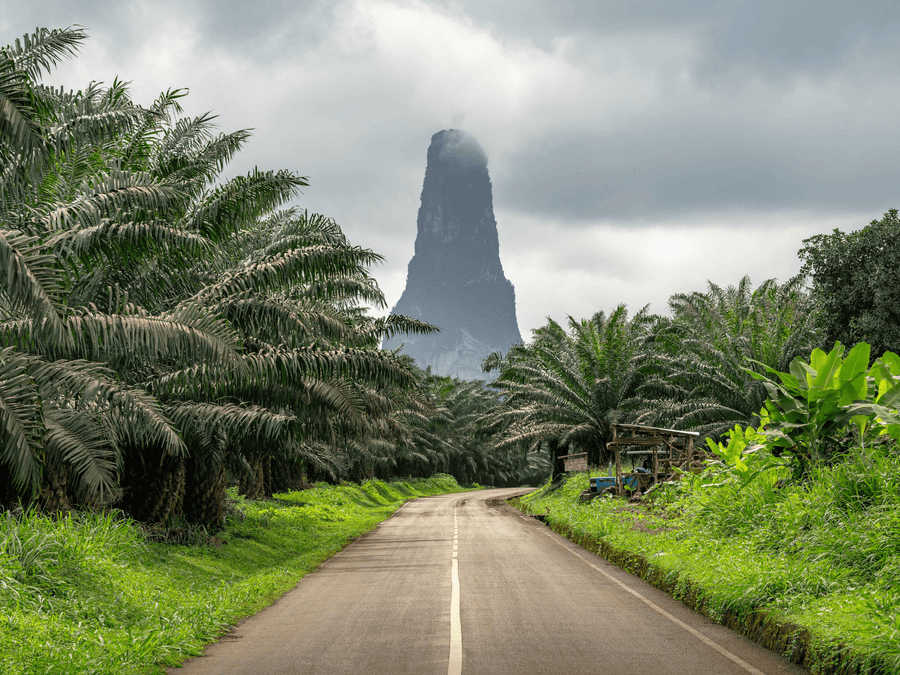
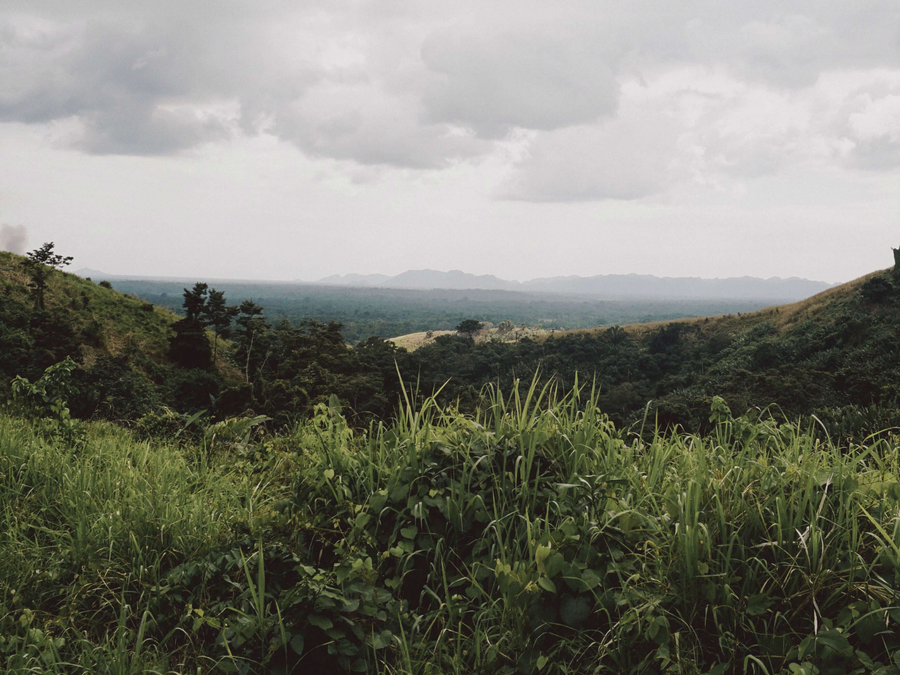
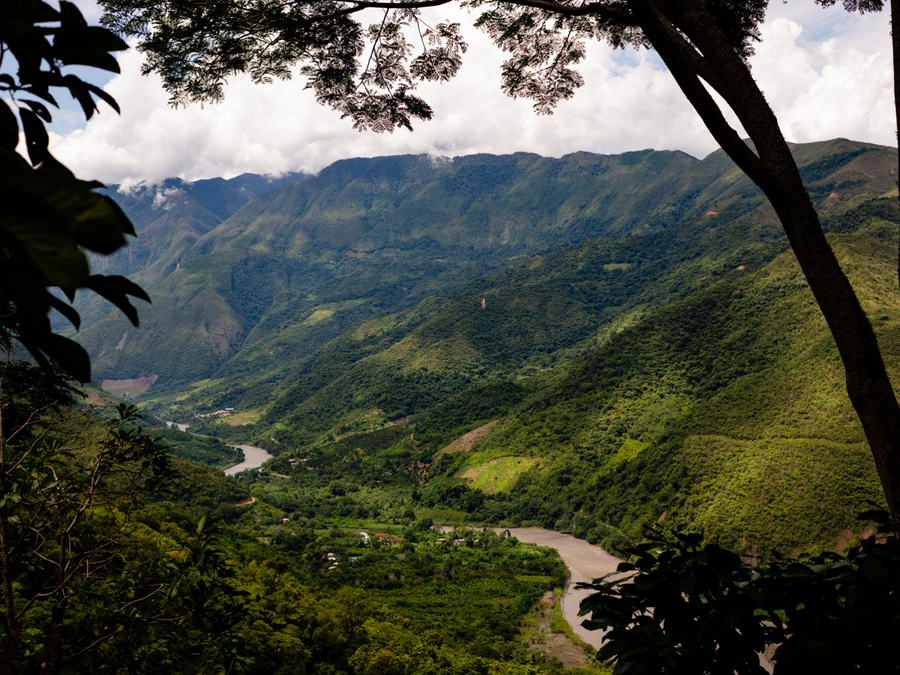
On the west coast of São Tomé, between 100 and 700 m, the old roças. Deep volcanic soil (andosols, nitisols) born of basalt, and a humid equatorial climate. Satocao cultivates a pure, non-hybridised Amelonado there.
Country São Tomé
Harvest January to March (secondary harvest from June to September)
Altitude 100–700 m
Fermentation 5–7 days in wooden boxes
Drying Sun under a movable roof; mechanical dryer if needed
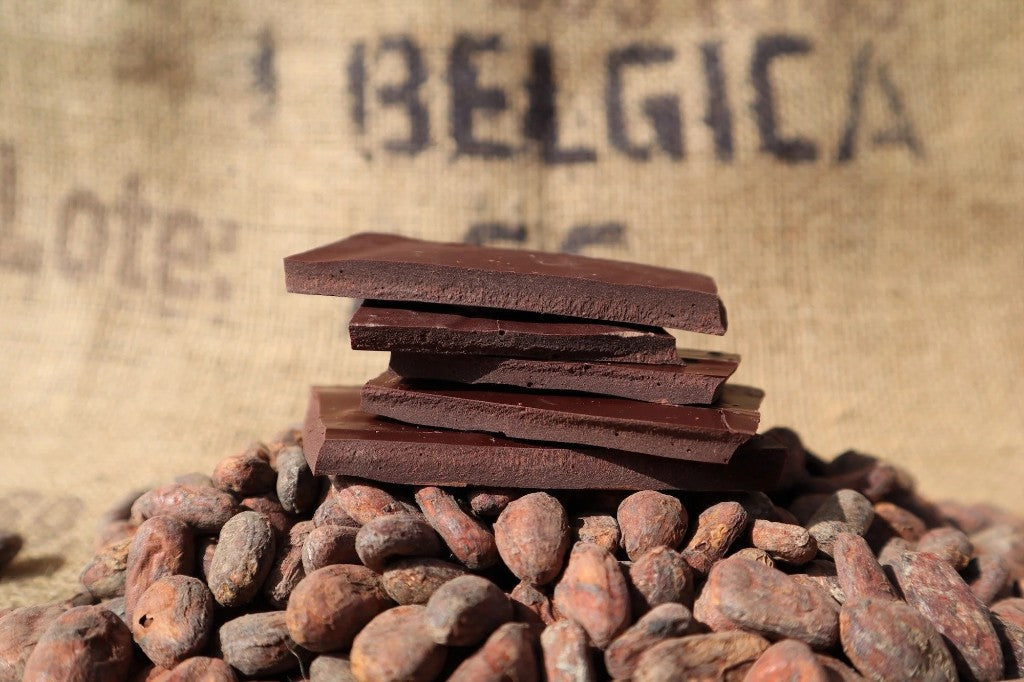
Roasting Unroasted
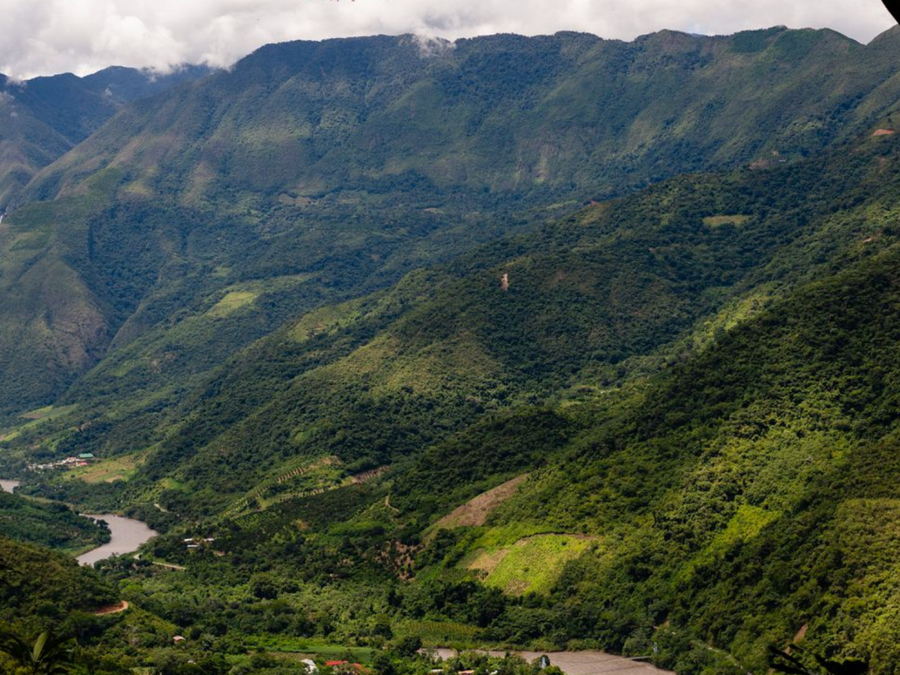
Carte du terroir
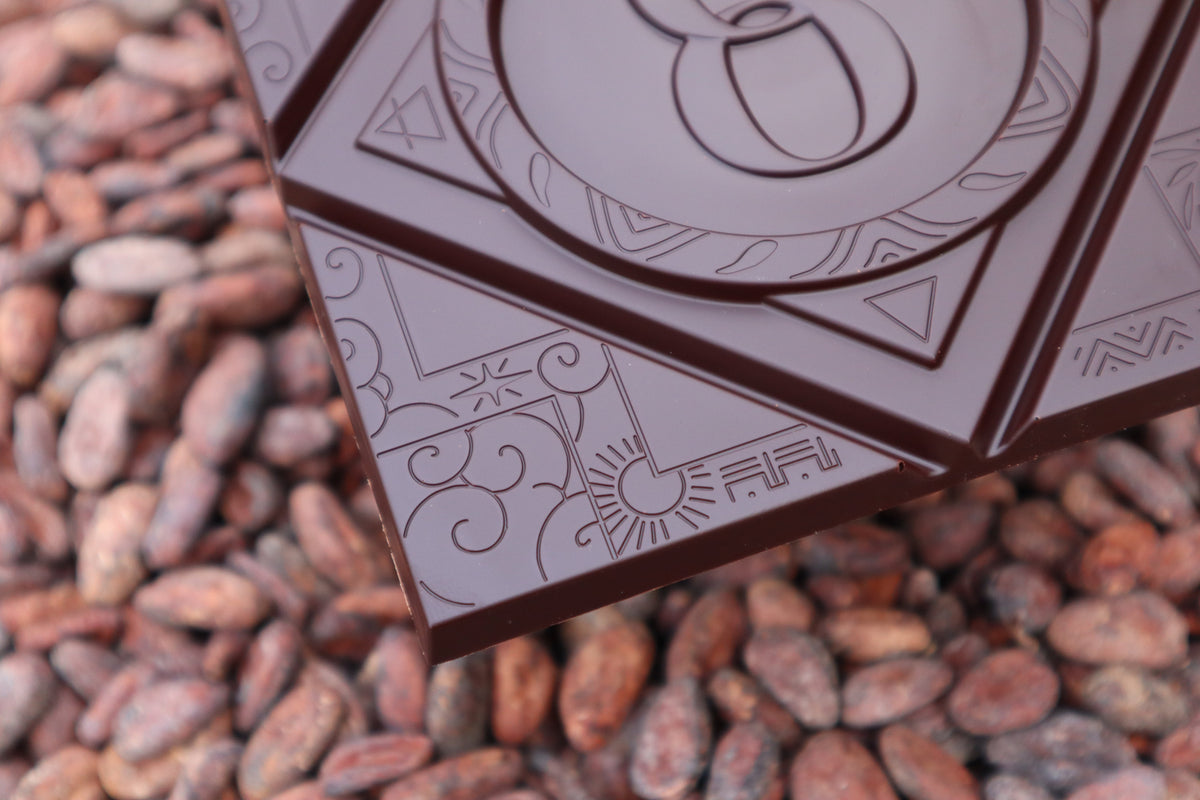
Tablette MOOJO #Format_60 gr
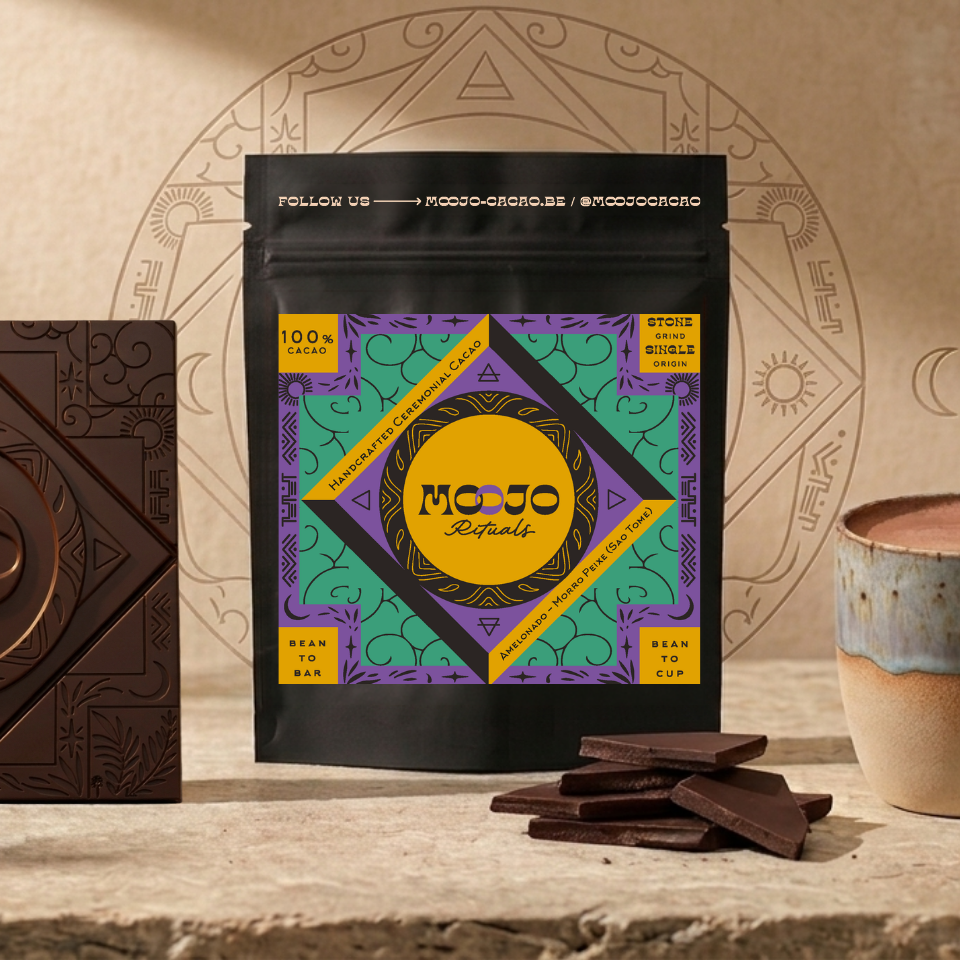
São Tomé · Amelonado · Ceremonial cacao RAW240 gr Sale price€27,00

São Tomé · Amelonado

Amelonado

Deux cents roças sur le flanc d'un volcan.

Territory

2,024 metres, and 200 roças

São Tomé is the summit of a shield volcano that rises three thousand metres from the seabed and peaks at two thousand and twenty-four metres, on the Cameroon Volcanic Line. The lavas of the last million years are mostly basaltic: they are what make the soils. No one lived on this island before people landed there. The cacao tree arrived from Brazil in 1819, and between 1905 and 1911 this archipelago of a thousand square kilometres exported more cacao than any country in the world. Two hundred roças were built for it, company villages around a drying terreiro. Satocao works on those very lands, between one hundred and seven hundred metres.

Récolte dans la roça, São Tomé

Genetics

Amelonado arrived from Brazil, then it left again

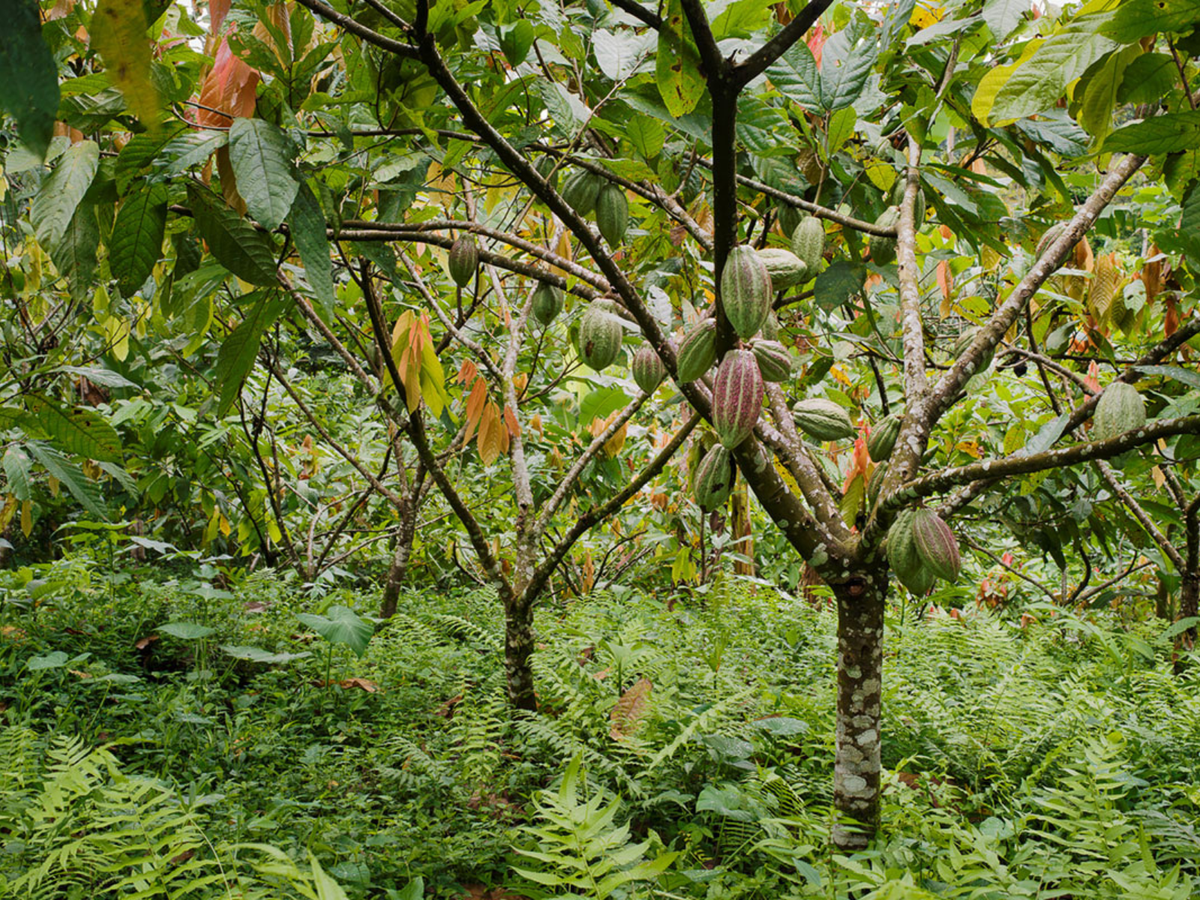
The first cacao seedlings landed from Brazil in 1819. In 1824, on Príncipe, a first tree grew to maturity. It was an Amelonado, and it did not stay on the island: this is where the route to the mainland began, when Tetteh Quarshie brought beans back from Fernando Po and planted them in Mampong, in 1879. The Gold Coast exported its first cacao in 1891. Today Satocao grows this Amelonado on the former roças, at around four hundred trees per hectare. In the cup: orange, dark chocolate, dried fruit, black tea, roasted almond, wood.

Nos fèves sont sourcées par Cacao Latitudes.

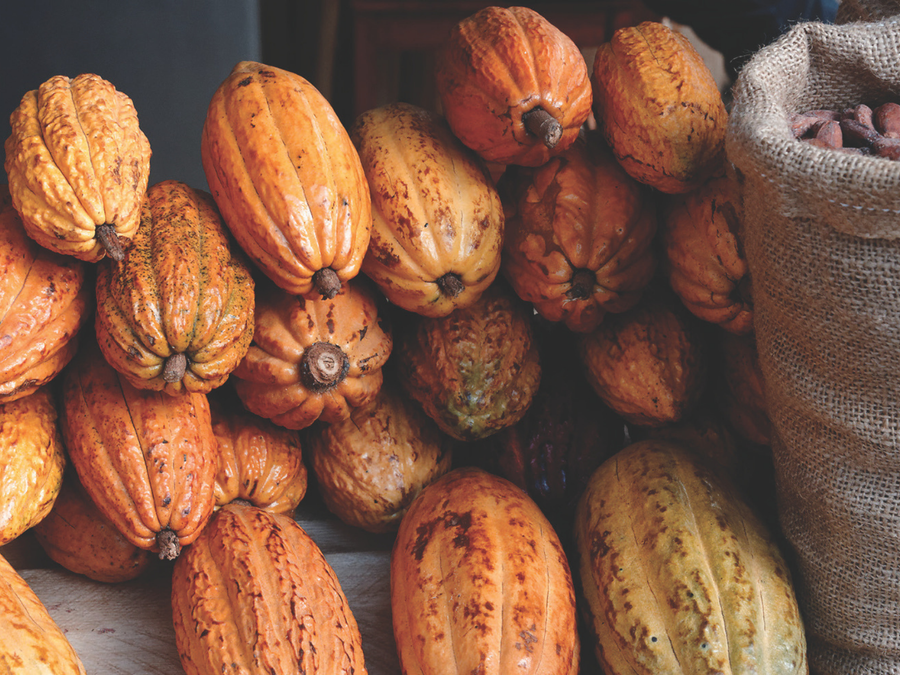
Cabosses roses sur les branches, São Tomé

Peoples

Forros, angolares, tongas, and the word for the forest

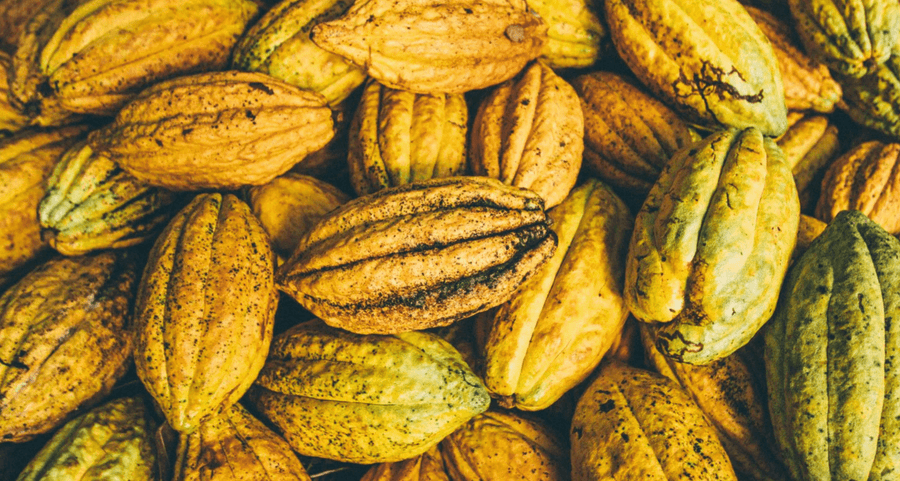
The forros descend from freed slaves; their creole owes most of its vocabulary to Portuguese, the rest to Bantu and Kwa languages. The angolares fish in the south and speak another language, Angolar. The tongas are the children born on the plantations to parents recruited in Angola, Mozambique and Cape Verde. On 9 July 1595, an angolare named Amador raised the island in revolt and held it for a few months; he was executed on 4 January 1596, and that day has been a public holiday since 2005. This is the country opening the pods in these images: Satocao has worked with communities of growers since 2011. Beyond the plots, the forest bears a forro name: the obô.

Ouverture des cabosses, São Tomé

Post-harvest

The boxes, then the roofs they fold down at the shower

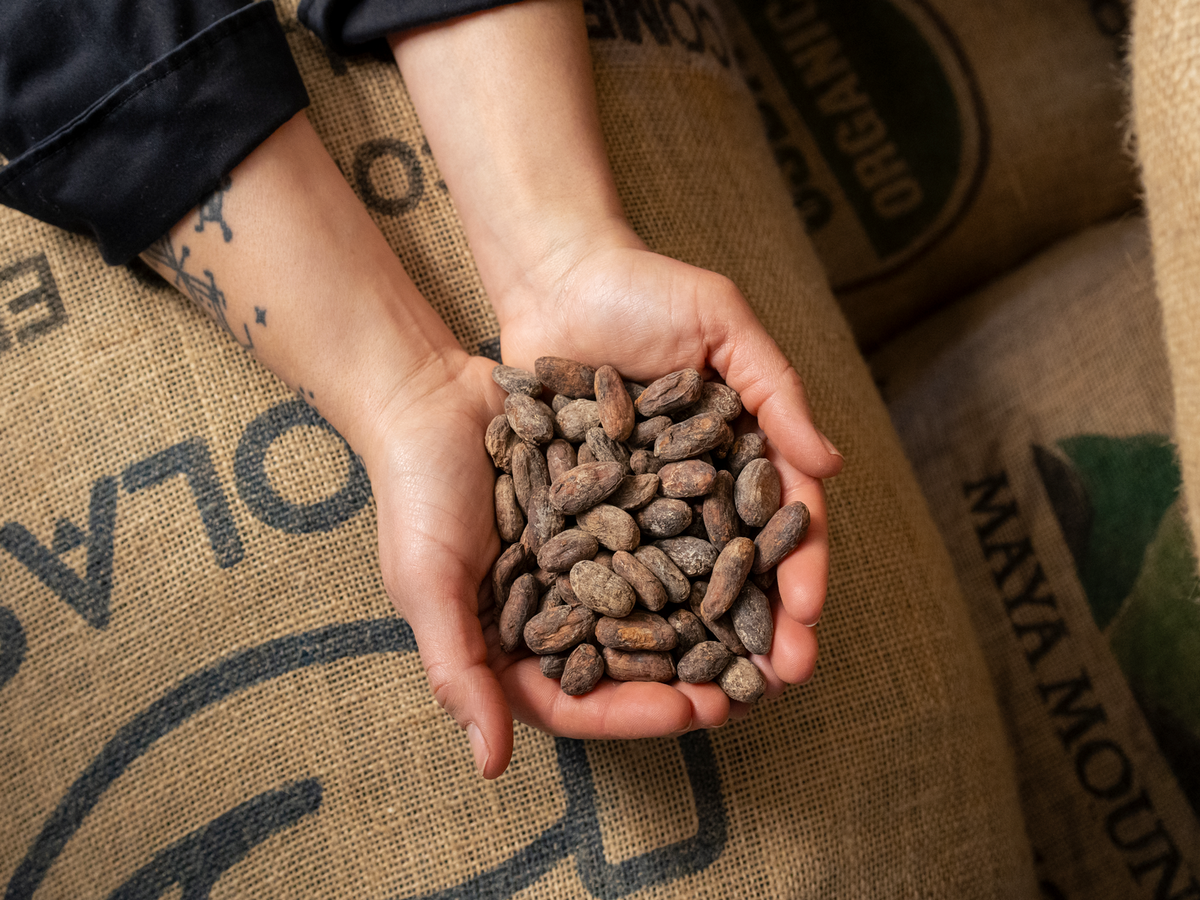
The beans ferment in wooden boxes. They then dry in the sun, on decks with movable roofs that are pulled over at the first shower, and, when the equatorial humidity leaves no choice, in a mechanical dryer. Then comes the sorting, strict, by hand, bean by bean. The jute sacks carry the island's crest and a lot number chalked on a slate; they leave filled with thirty-five or seventy kilos.

Ratissage des fèves sur les claies, São Tomé