Skip to content

Cart

Your cart is empty

Continue shopping
EXPLORER LES ORIGINES
Voir toutes les origines

Lachuá

Lightly roasted

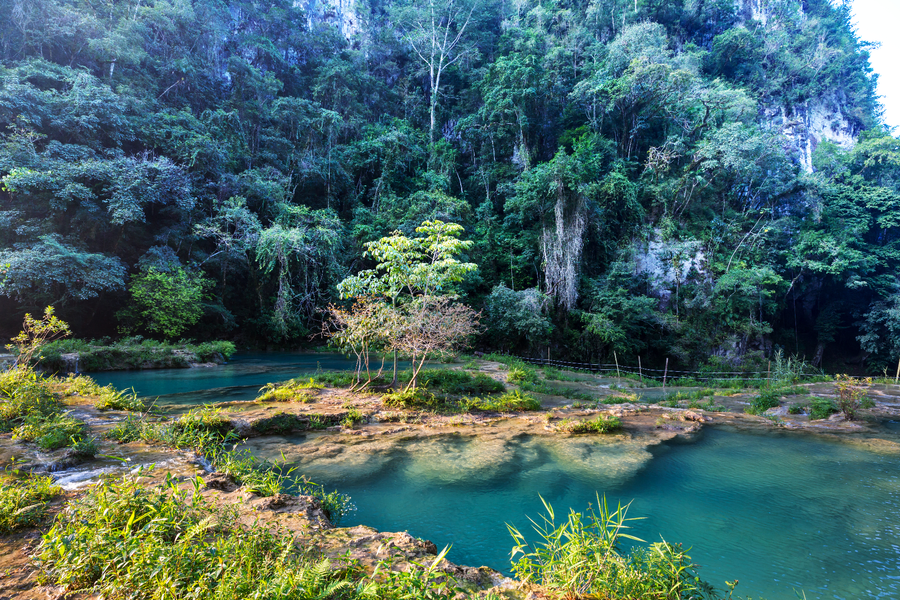
Lake Lachuá & rainforest

Lachuá
Join us on Monday 26 October. Voices of Cacao Where the ritual begins Songs, gestures, films and readings from the lands where cacao grows. Get my access (opens in a new tab) Alta Verapaz 3 to listen · 15 to watch · 11 to read

Tasting notes

Fruity · Nutty / Praline

Texture

Creamy & enveloping

Cultivar

Criollo · Fino de Aroma

Recommended dose

20–30 g per ritual

  • Everyday 10–20 g
  • Creative 20–30 g
  • Ceremonial 30–40 g
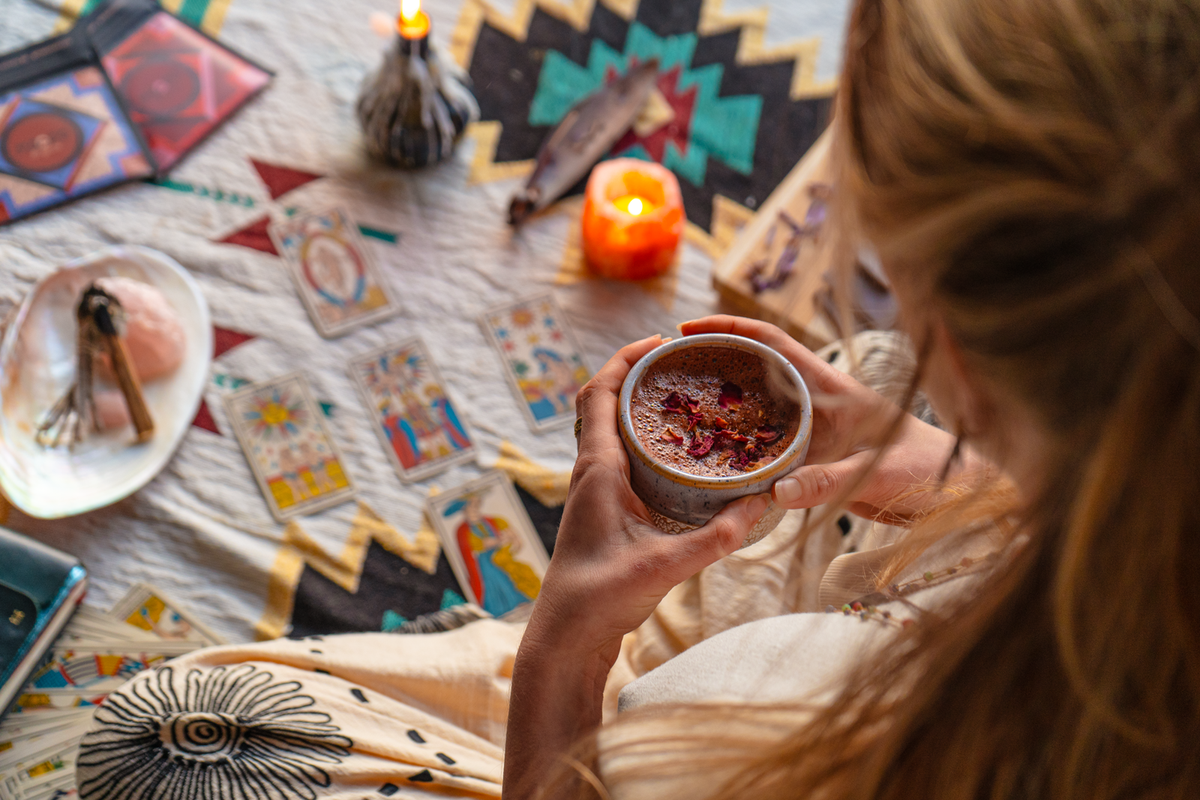
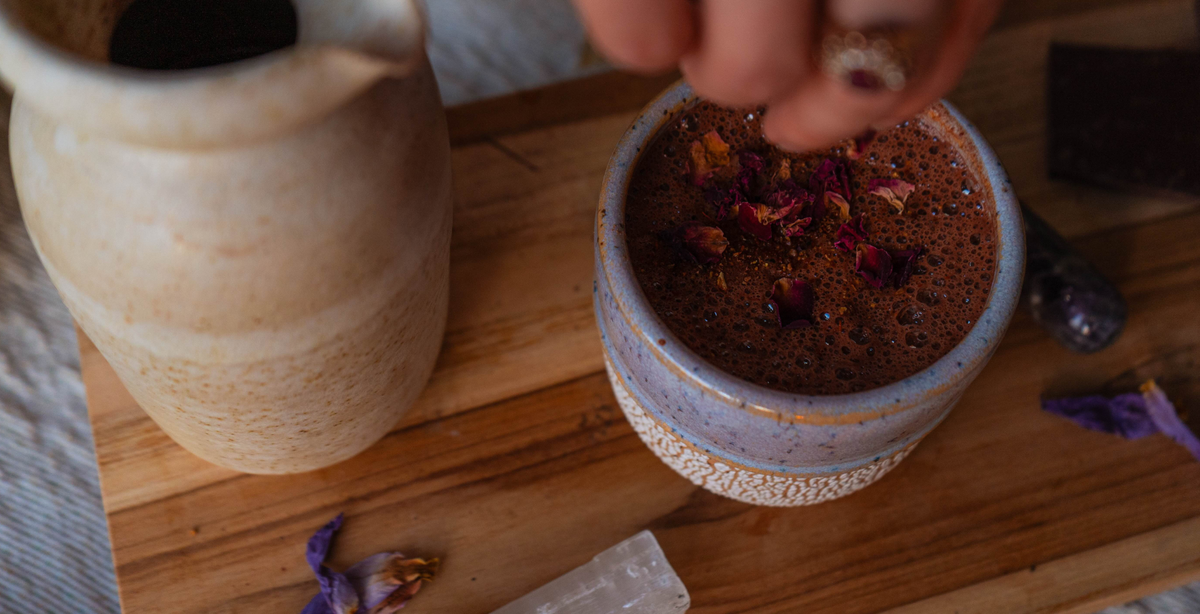
Making a drink
  1. For a pure cacao drink, allow 20–30 g per cup, or 30–40 g for a denser texture. With a chocolate bar, adjust the amount to your taste: it already contains sugar.
  2. Grate or break up the cacao or chocolate.
  3. Heat the water, or a plant-based drink, without bringing it to the boil: 60 to 65 °C at most.
  4. Pour over the pieces, let them melt, then beat with a whisk or a molinillo until you get an even foam.
Sale price€9,50
Size: 60 gr

In stock · Ships within 24 to 72 hours

  • Shipped Monday and Thursday

  • Stone ground

Ingrédients & valeurs nutritionnelles

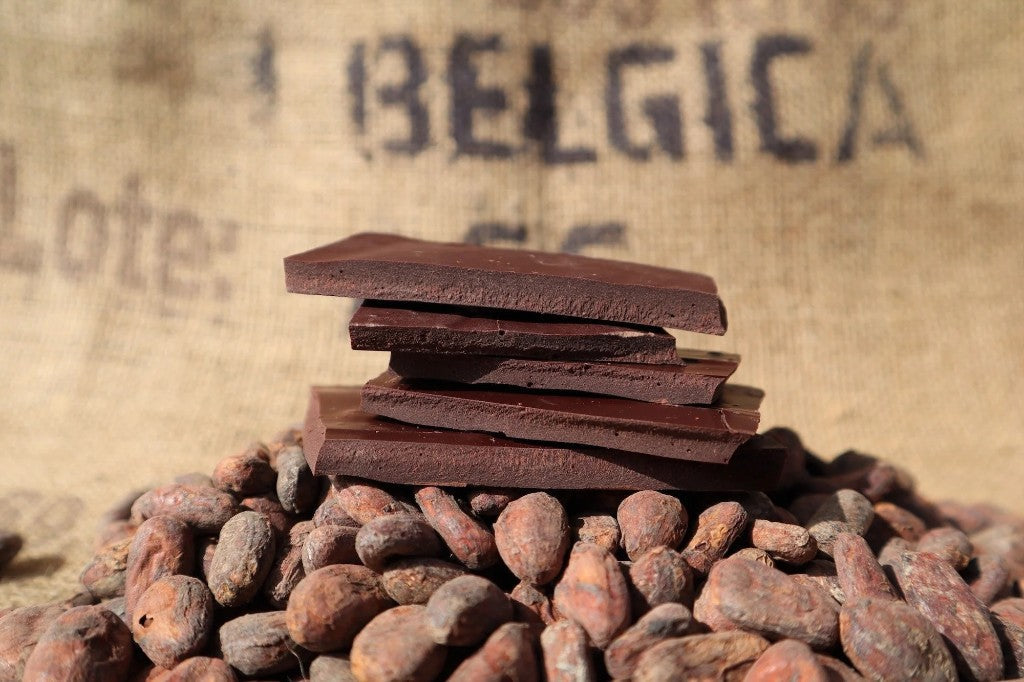
Cocoa mass, cocoa butter. Cocoa solids: 100%.

Valeurs moyennes pour 100 g
Énergie 2479 kJ / 600 kcal
Matières grasses 50,3 g
dont acides gras saturés 30,1 g
Glucides 30,6 g
dont sucres 0,3 g
Fibres alimentaires 14,7 g
Protéines 13,5 g
Sel < 0,013 g

May contain traces of nuts. Made in a workshop that also handles other nuts.

The terroir

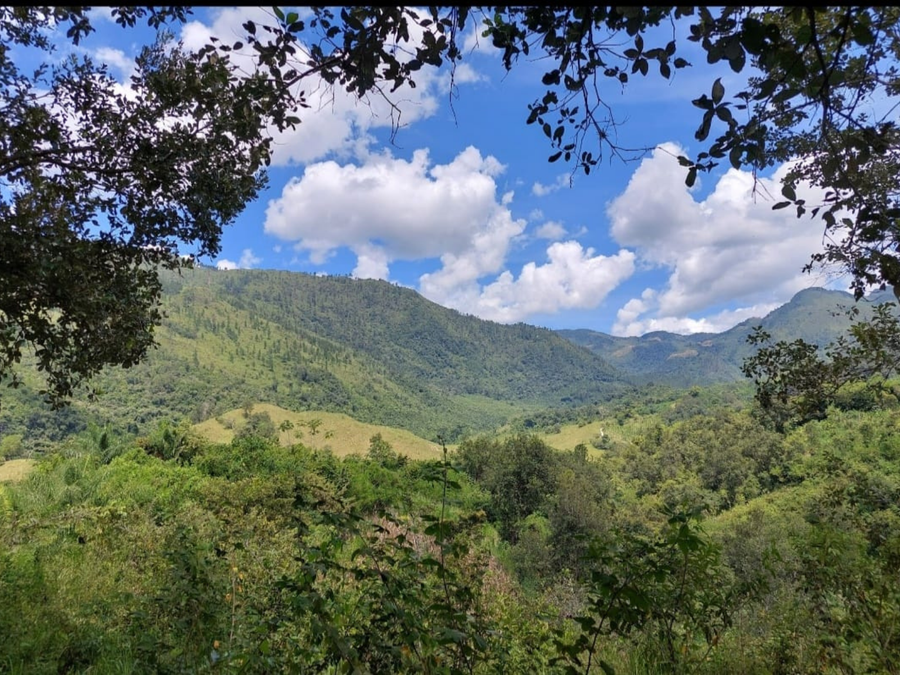
Around Lake Lachuá, in Alta Verapaz, between 100 and 600 m, the tropical rainforest is protected (Ramsar reserve) and the foothill soils are fertile. The Q'eqchi' Maya grow cacao here in agroforestry, with cardamom and maize, and knowledge is passed on within the community.
Country Guatemala
Harvest October to February
Altitude 100–600 m
Fermentation 6 days in wooden boxes
Drying Solar drying on raised beds
Roasting Lightly roasted
Carte du terroir
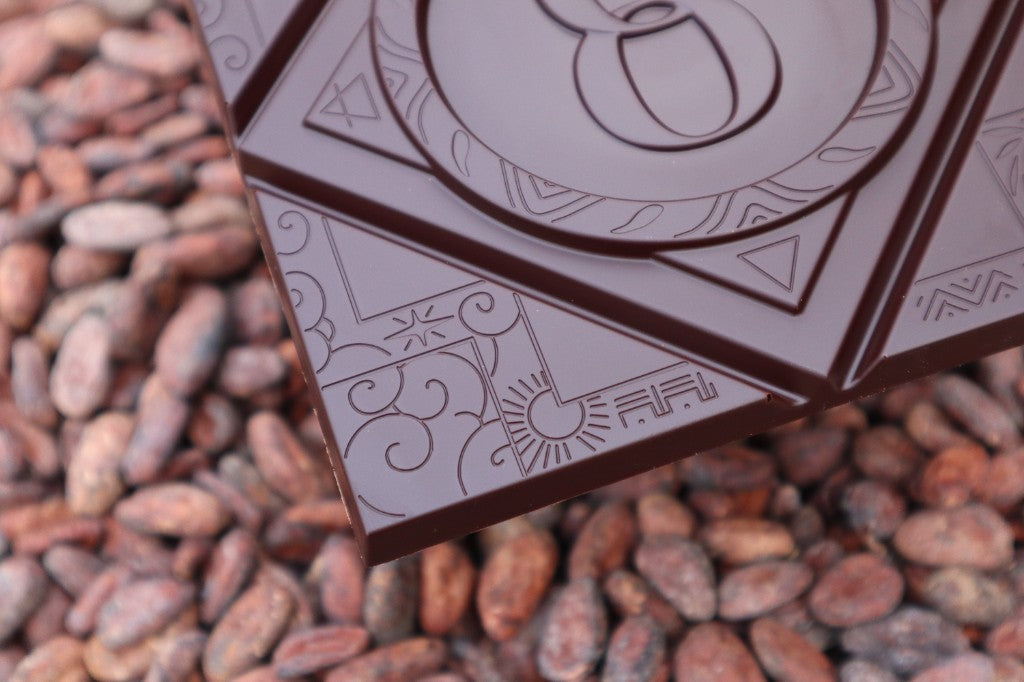
Tablette MOOJO #Taille_60 gr
Guatemala · Lachuá · Ceremonial cacao60 gr Sale price€9,50
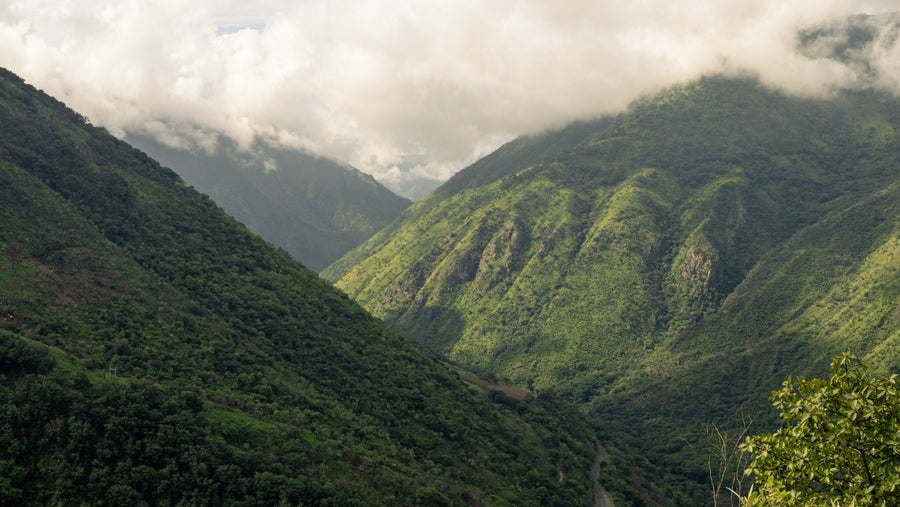
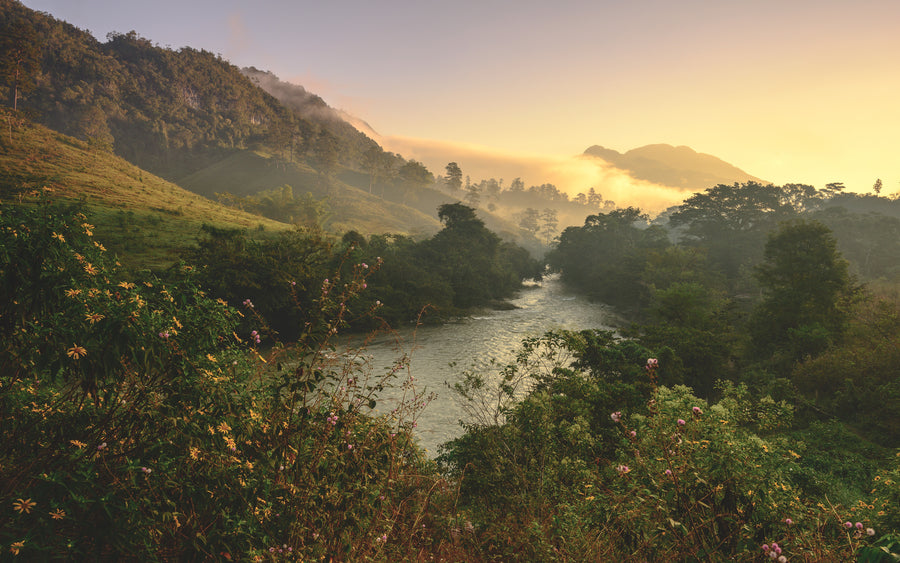
Collines sous la brume, Lachuá

Lachuá · Alta Verapaz

Lachuá

Le lac sent le soufre. Autour, la forêt est un parc depuis 1996. Le cacao pousse à la lisière.

Territory

The lake bears the name of its smell

Lachuá comes from the Q'eqchi' li chu ha, the foul-smelling water: the lake smells of sulphur. It is almost round, four square kilometres, two hundred and twenty-two metres deep, a shaft open in the limestone at one hundred and seventy-three metres above sea level. This roundness gave rise to the hypothesis of a meteorite crater; geologists read it rather as a cenote, a flooded sinkhole like those of the Yucatán, and the debate is not closed. Around it, a tropical rainforest that has been a national park since 1996, and a wetland listed under the Ramsar Convention as Eco-región Lachuá since 2006. Fifty-five Q'eqchi' communities live in this ecoregion. Cacao grows on their doorstep, on the edge of what is not cut down.

Ce documentaire est le nôtre. Il a été tourné à Tuq'Tuquilal, à Lanquín.

Documentaire de l'Alta Verapaz. MOOJO.

Peoples

The country they called True Peace

Before 1547, this land was called Tezulutlán, the land of war: arms had not entered it. In 1537, Bartolomé de las Casas obtained leave to attempt conversion there without soldiers, and the country took the name Vera Paz, true peace. The Q'eqchi' stayed. Today they form the second-largest Mayan language community in Guatemala, with around one million three hundred thousand speakers. In the nineteenth century, the privatisation of communal land for the benefit of the plantations pushed them into wage labour, and from 1889 many left for the east. The Lachuá ecoregion has forty-five thousand inhabitants, on a territory that went through thirty-six years of armed conflict, brought to an end by the peace accords of 1996. Here, cacao is in the hands of associations: families who decide together what leaves and what stays.

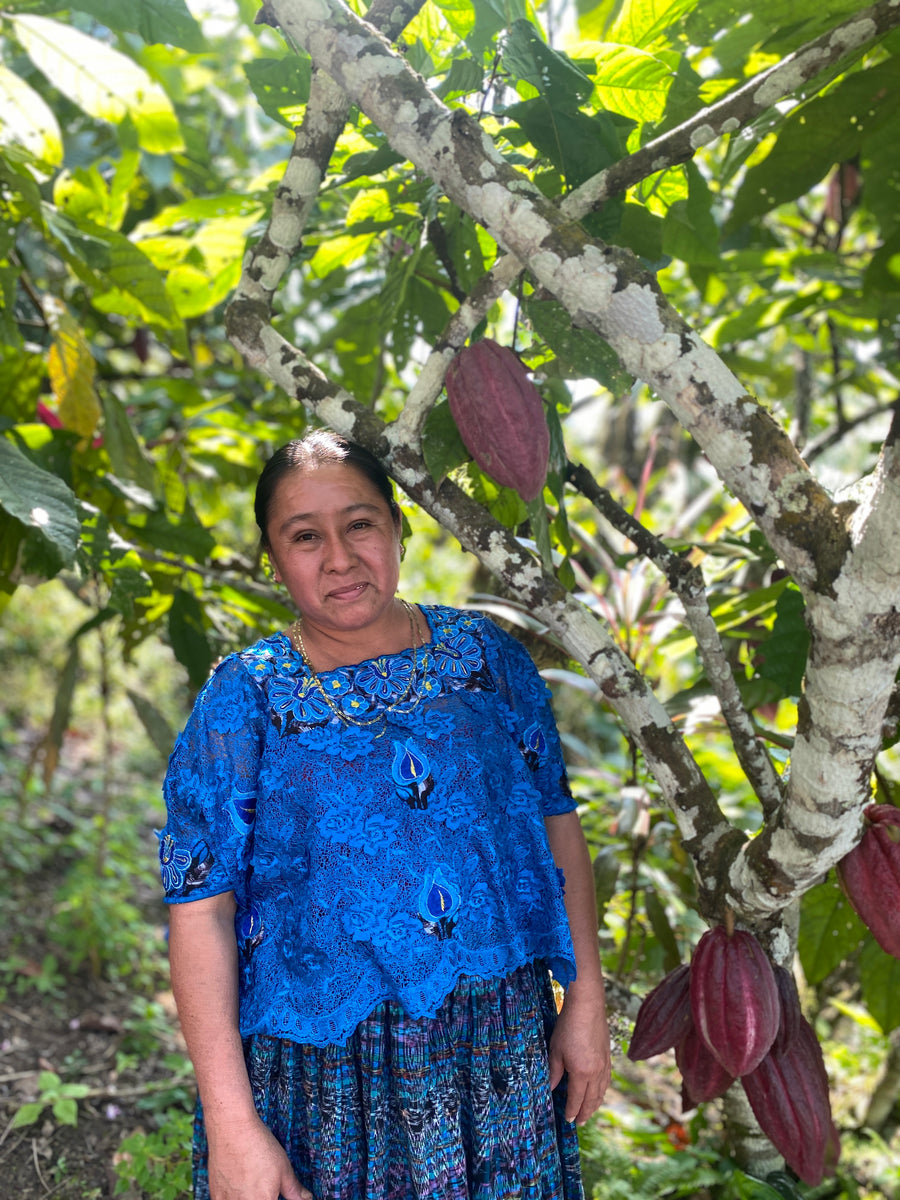
Une productrice, chapeau de paille, main sur une cabosse, Lachuá

The living

Cardamom arrived in 1914, on a German planter's estate

In 1914, on his coffee estate in Cobán, Oscar Majus Kloeffer planted green cardamom from Kerala, to break India's near-monopoly. In 2000, Guatemala became the world's leading producer, and nearly seven tenths of its cardamom comes from Alta Verapaz, from three hundred thousand farms of under four hectares, held for the most part by the children and grandchildren of the mozos colonos bound to the fincas. In Lachuá, cardamom and cacao share the same plot, beneath timber trees, madre de cacao and fruit trees. The associations maintain this agroforestry as a belt around the lake, against industrial oil palm. And on these plots, nearly two point nine metres of rain fall every year.

Jeune cacaoyer sous des bananiers, Lachuá

Post-harvest

Fermented together, with published prices

The beans ferment communally, six days in wooden boxes, following the FCCI protocol, then dry in indirect sunlight, in a solar dryer, on wooden tables or on mesh. What they earn is not hidden: Uncommon Cacao publishes the Lachuá figures line by line, what the producers sold and what they were paid per kilo, with the export price and the sale price alongside. A cost-of-production study carried out on site in 2019 found they had a wide margin, costs in cash and in kind included. The last step remains: sorting by hand, and the beans packed into GrainPro bags.

Fèves au séchage sous un tunnel, Lachuá