
Skip to content

Cart

Your cart is empty

Continue shopping
Explore the origins
Voir les 41 origines

Alto Huayabamba

Légèrement torréfié

valley Gran Pajatén

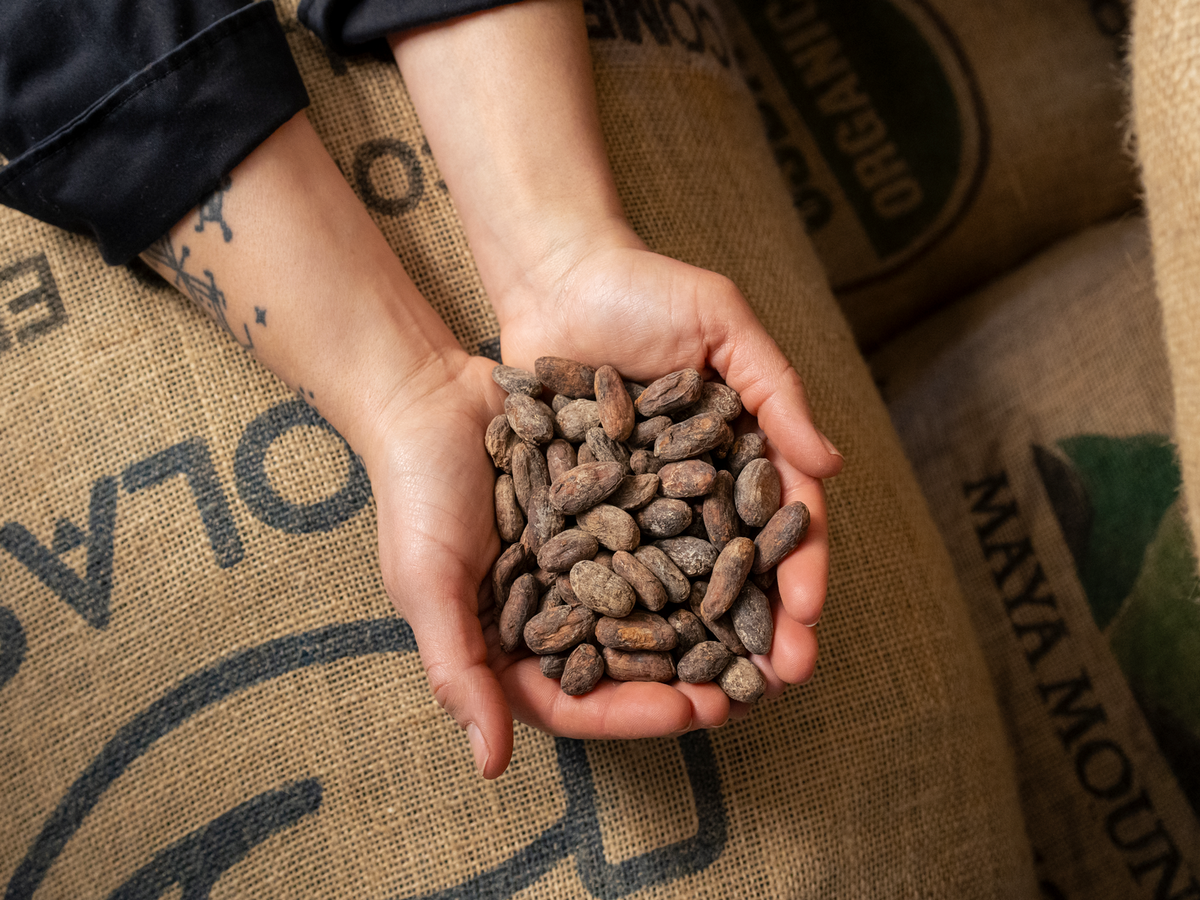
Cocoa bean nibs in a jute sack

The terroir

Nibs of Theobroma cacao beans, fermented and crushed. A blend of our grand cru origins.
Origin Alto Huayabamba
Country Pérou
Terroir Alto Huayabamba valley, Gran Pajatén
Fermentation 4-6 days in boxes (local processing)
Roasting Légèrement torréfié
Sale price€9,00
Format: 125 gr

In stock · Shipping within 24 to 48h

Cocoa bean nibs in a jute sack
Cacao nibs · Grand cru fragments125 gr Sale price€9,00

Territory

Cacao stops where the park begins

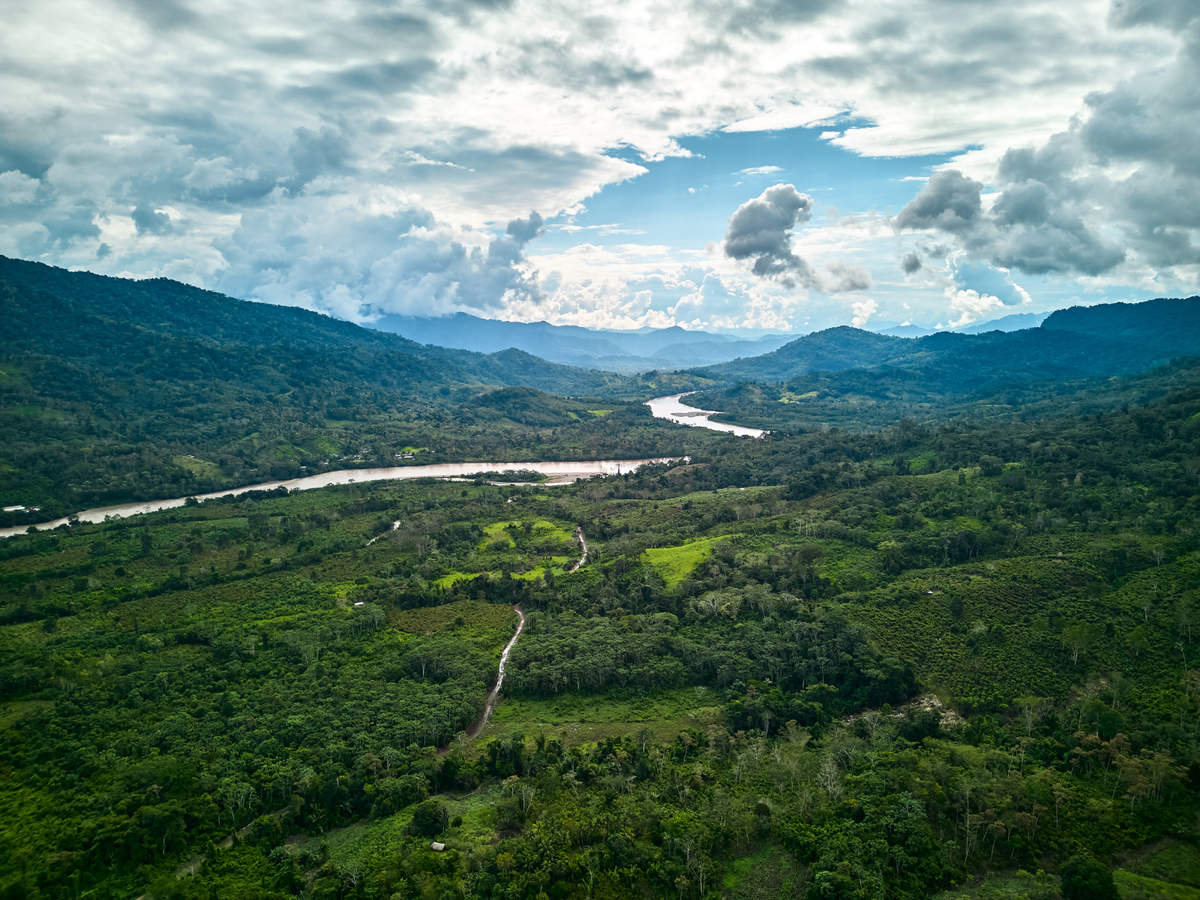
The Alto Huayabamba valley drops from the central cordillera toward Amazonia, between 200 and 1 000 metres. Above it begins Río Abiseo National Park: 272 407 hectares inscribed by UNESCO in 1990, and one of the few mixed properties on the list, retained both for its nature and for what people left there. It rises from 350 to 4 349 metres, more than five thousand plant species are recorded there, and visits are tightly restricted and controlled, because the place is fragile. The families of the Choba Choba cooperative farm in the transition zone of the Gran Pajatén biosphere reserve. Their plots stop at the edge.

Film: Choba Choba presentation - French

Choba Choba, Alto Huayabamba valley, Peru
Choba Choba, Alto Huayabamba
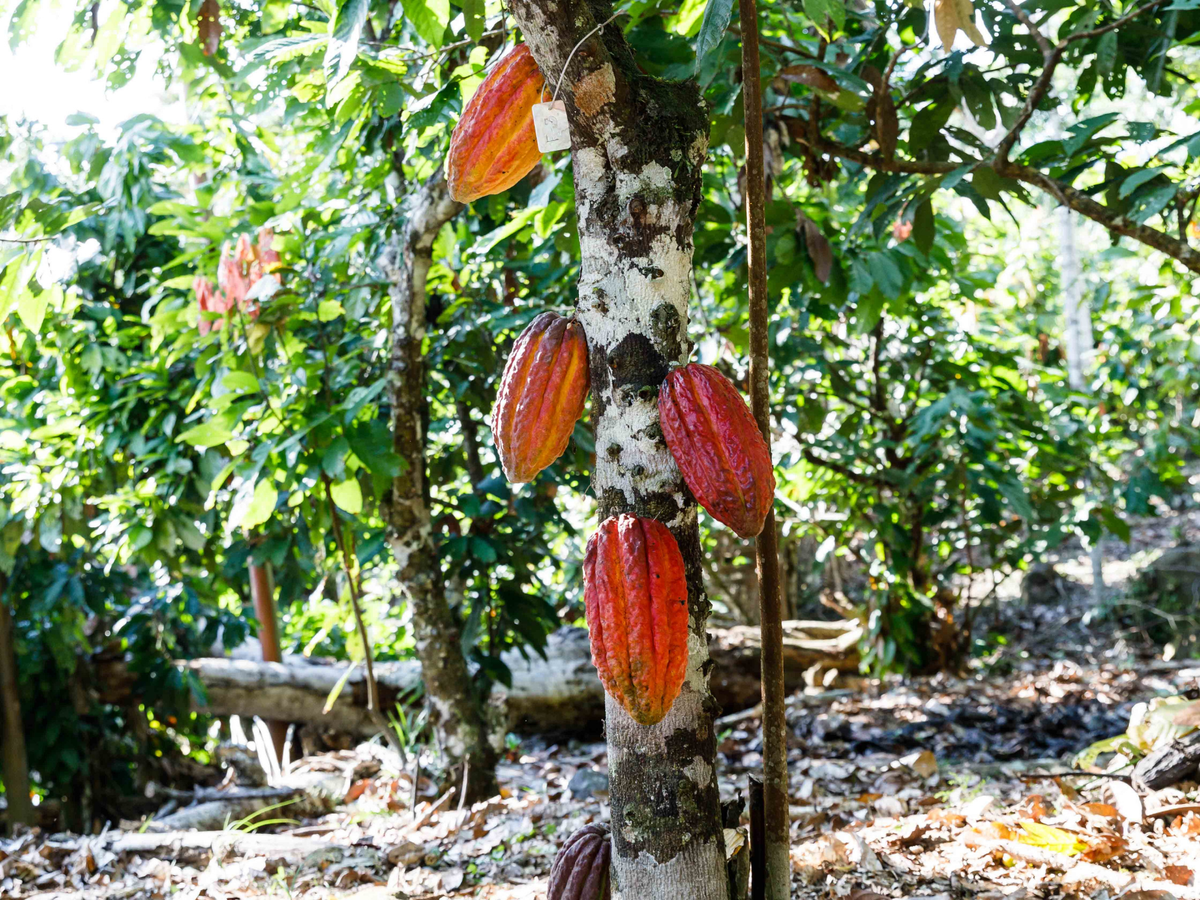
Woman grower holding a cacao pod, Choba Choba, Peru
Woman grower, Alto Huayabamba

Genetics

Seventeen pods on a checked tablecloth

On 5 May 2018, seventeen handwritten cards are lined up on a checked tablecloth, one or two pods set on each, and the board is photographed. W-17, FR-20, ED-18, NA-1: working codes, not variety names. The cooperative states that it keeps in the valley a conservation garden where eighty-nine local cacaos have been planted, of which thirty preselected for their bearing and their aroma. The lot we buy mixes CYP-99, CCN-51, natives and hybrids. A medium to large bean, not homogeneous, sorted by hand. In the cup: floral honey, chamomile, a hazelnut base, notes of dried fruit.

  • Inga (guaba, pacay)
  • Bolaina
  • Capirona
  • Cedar
  • Mahogany
  • Tornillo
  • Banana
  • Pijuayo
  • Citrus
Choba Choba, Alto Huayabamba, Peru
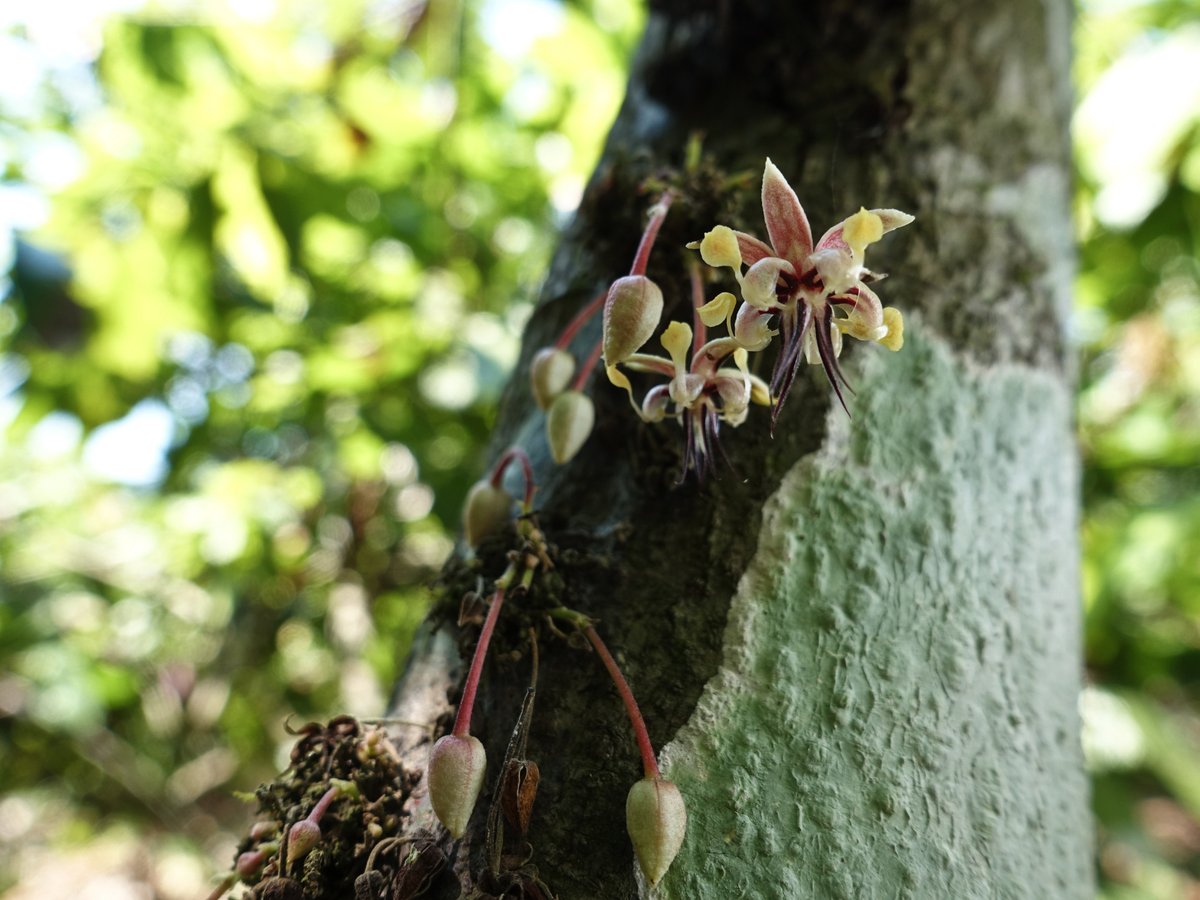
Pods, Alto Huayabamba

Peoples

Choba choba, the word, and what it asks
Choba choba is an expression of the Amazonian Quechua of San Martín: collective work, mutual aid, ties of reciprocity. In Lamas it also names a dance, the one that accompanies the collective building of a house, the men on the materials, the women on the cooking, the feast afterwards. The 2017 census counts 82 141 Kichwa in Peru, spread over 498 localities; Lamas Quechua, for its part, held around fifteen thousand speakers in 2000. The cooperative took this word for a name, and thirty families carry the blend lot, twenty-five tonnes a year. One plot is followed apart: Jorge Yoplak spent years watching his cacao trees at Pucallpillo, propagated the best, then convinced his neighbours. One thousand five hundred kilos a year, sold under his name, floral, roasted hazelnut, shortbread, cooked orange peel.

Landscape of the Alto Huayabamba valley, San Martín, Peru
Cacao tree in an agroforestry plot, Choba Choba, Peru
Choba Choba, Alto Huayabamba, Peru
Alto Huayabamba valleyCacao tree under the canopyAlto Huayabamba
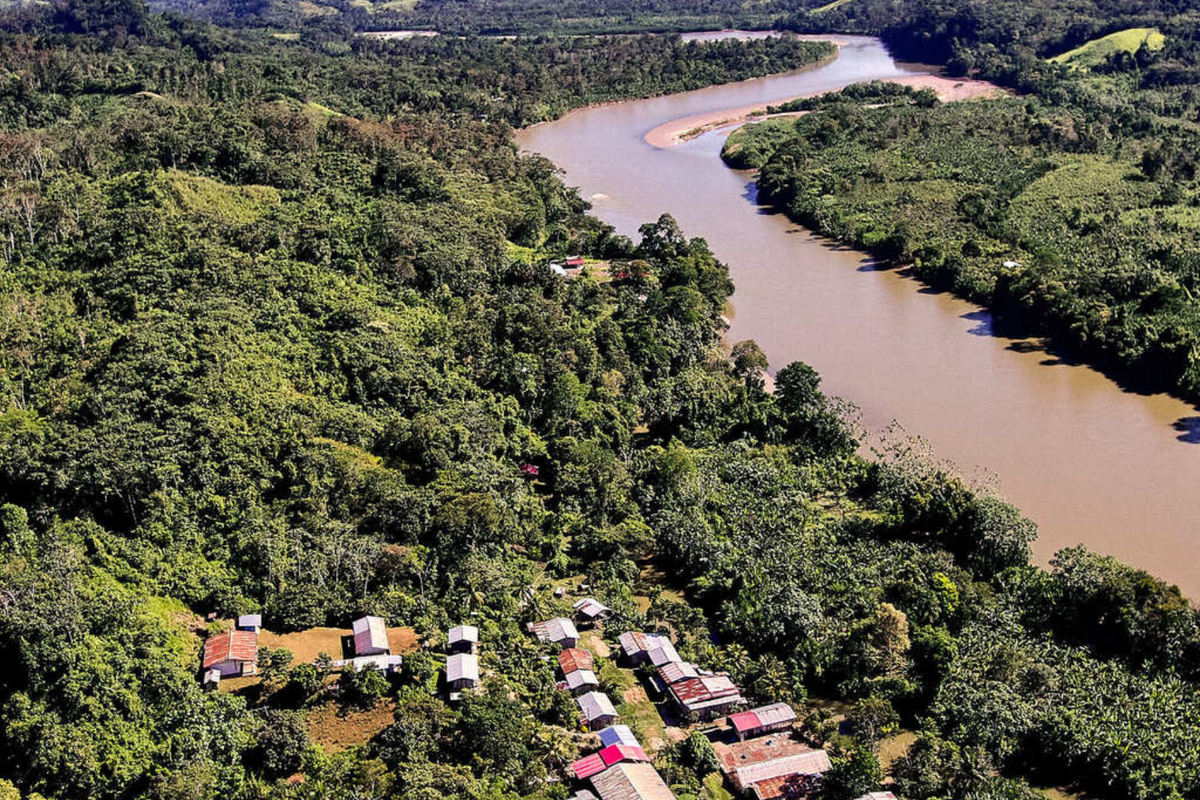
Choba Choba, Alto Huayabamba, Peru
Pucallpillo, Alto Huayabamba
Choba Choba, Alto Huayabamba, Peru
Under the trees, Alto Huayabamba

The living

Inga, which the valley calls guaba or pacay, has served as shade for cacao and coffee since the beginning of the nineteenth century, and it fixes nitrogen. Above stand bolaina, capirona, tornillo, cedar and mahogany. Below, banana trees, citrus, and pijuayo, that palm domesticated in south-western Amazonia from a wild form, var. chichagui. The cacao tree is not the crop: it is a storey in the stack.

  • Inga (guaba, pacay)
  • Bolaina
  • Capirona
  • Cedar
  • Mahogany
  • Tornillo
  • Banana
  • Pijuayo
  • Citrus
Cacao beans, Choba Choba, Peru
Cacao beans, Alto Huayabamba