Skip to content

Cart

Your cart is empty

Continue shopping
EXPLORE DARK CHOCOLATE
See all dark chocolate

Semuliki

Lightly roasted

valley at the foot of the Rwenzori

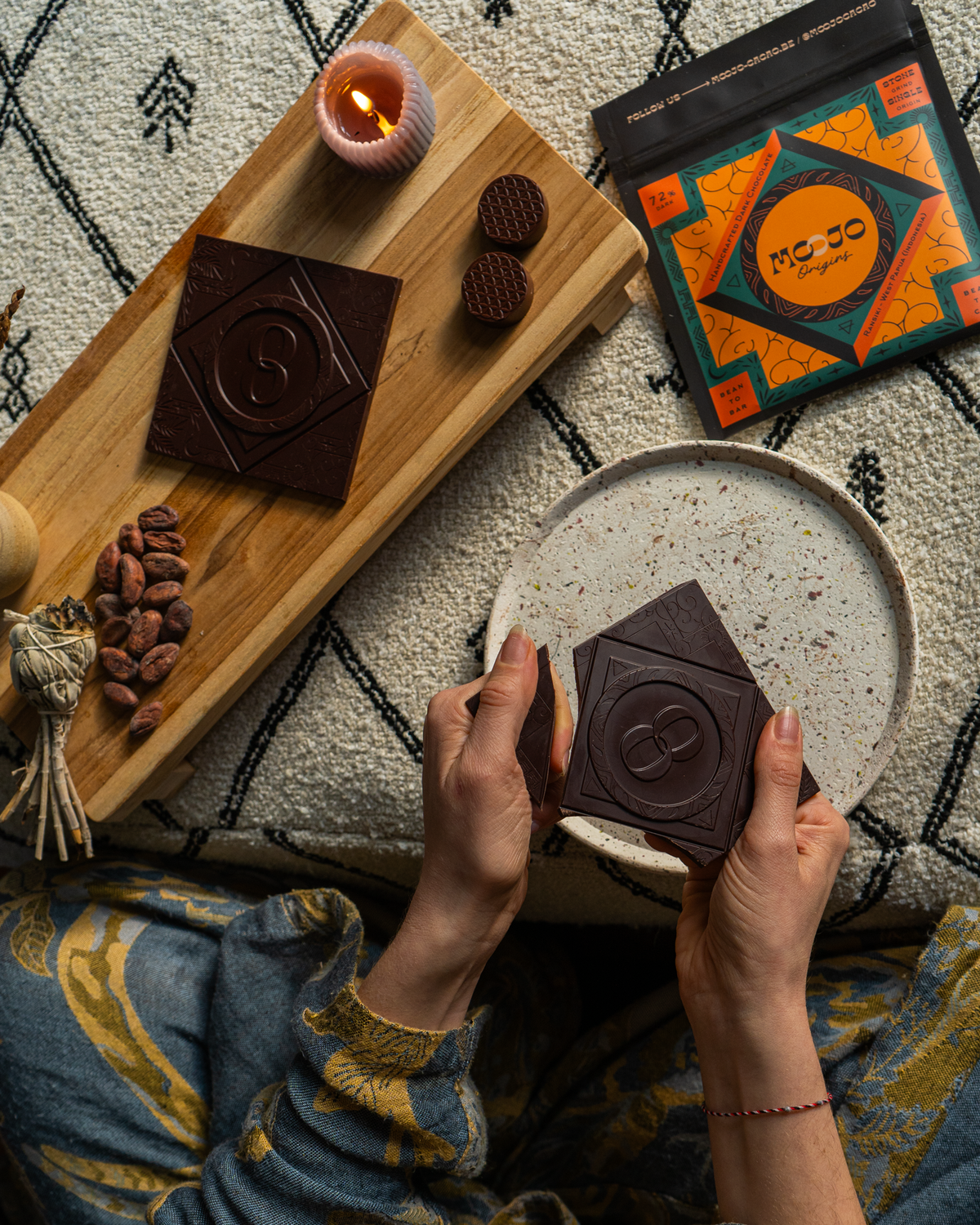
Sachet MOOJO Semuliki 60 g, chocolat noir 72 %
Get my access · opens 26.10 (opens in a new tab)

Tasting notes

Fruity · Soft & Round

Texture

Velvety & tropical

Cultivar

Trinitario · Forastero

Recommended dose

20–40 g

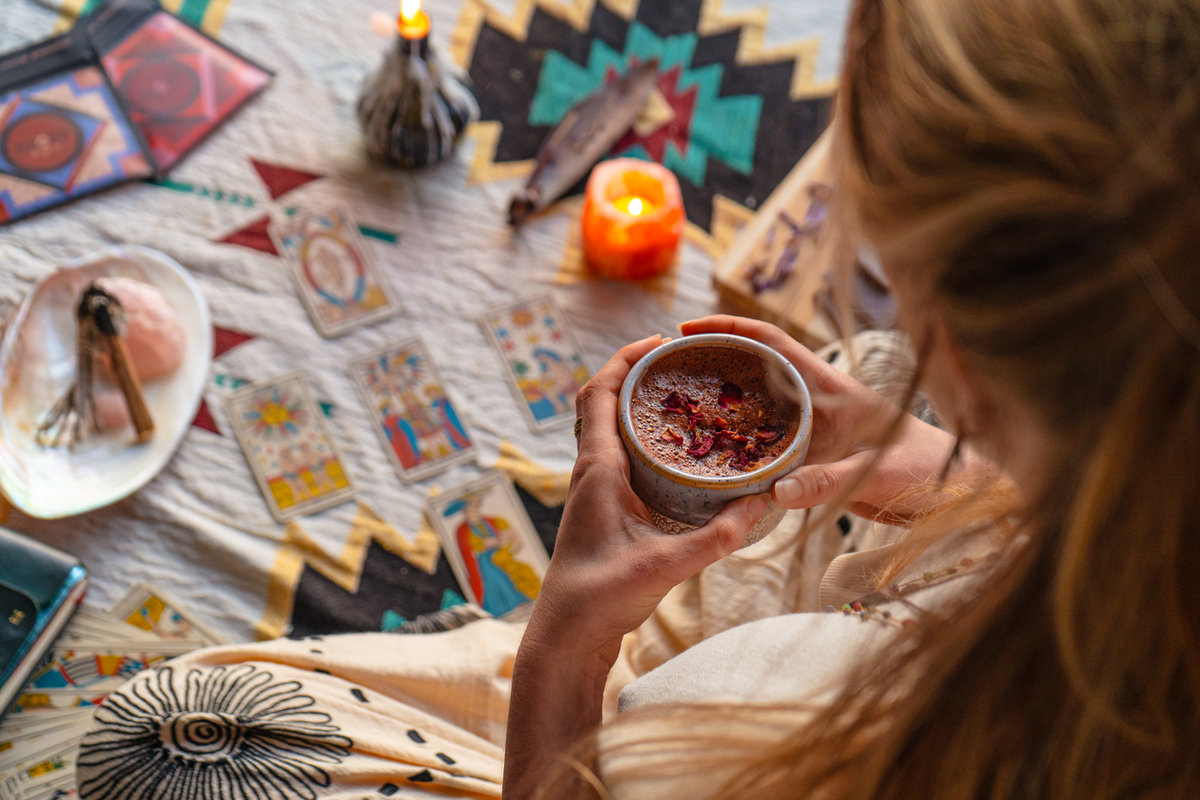
Making a drink
  1. For a pure cacao drink, allow 20–30 g per cup, or 30–40 g for a denser texture. With a chocolate bar, adjust the amount to your taste: it already contains sugar.
  2. Grate or break up the cacao or chocolate.
  3. Heat the water, or a plant-based drink, without bringing it to the boil: 60 to 65 °C at most.
  4. Pour over the pieces, let them melt, then beat with a whisk or a molinillo until you get an even foam.
Sale price€8,90
Size: 1 bar
Get it on subscription

In stock · Ships within 24 to 72 hours

  • Shipped Monday and Thursday

  • Stone ground

Ingredients & nutritional values

Cocoa mass, cane sugar, cocoa butter. Cocoa solids: 72% minimum.

Net weight: 60 g per bar

Average values per 100 g
Energy 2433 kJ / 587 kcal
Fat 45,0 g
of which saturates 27,4 g
Carbohydrate 41,8 g
of which sugars 19,9 g
Fibre 11,2 g
Protein 9,3 g
Salt < 0,013 g

May contain traces of nuts. Made in a workshop that also handles other nuts.

The terroir

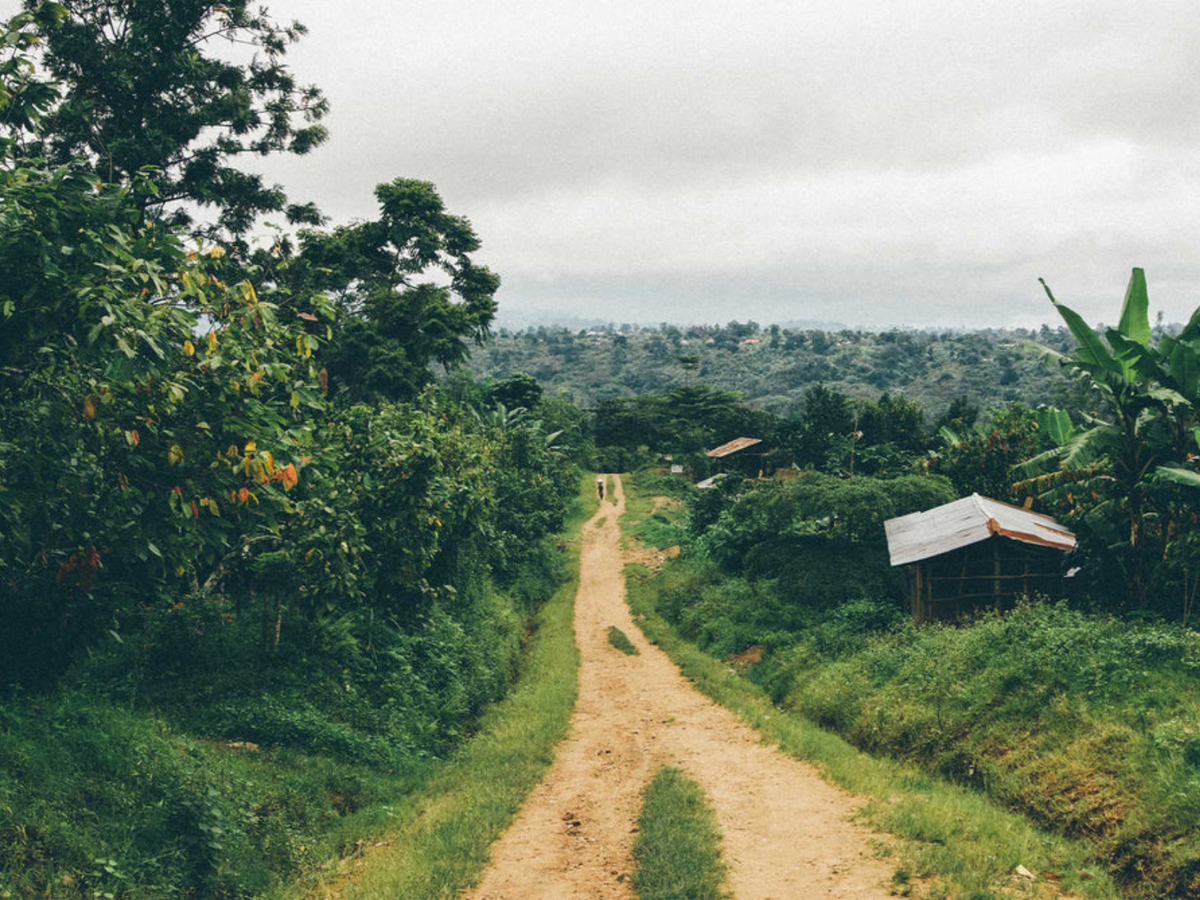
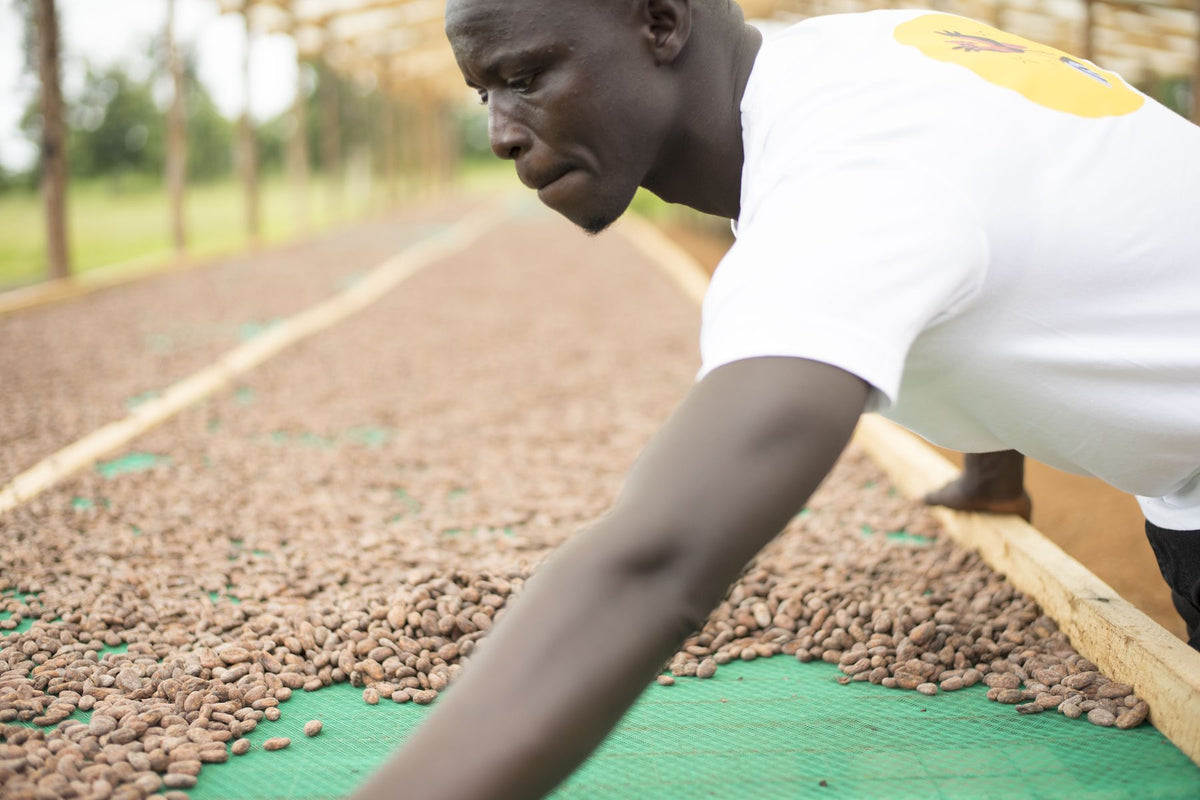
In Bundibugyo, at the foot of the Rwenzori, families grow the cacao of the Semuliki valley. The beans ferment in Bumate, then dry in the sun on raised beds.
Country Uganda
Harvest October to February, mid-crop June to August
Altitude 700–1,200 m
Fermentation 6–7 days, Bumate fermentary
Drying Solar drying on raised beds
Roasting Lightly roasted
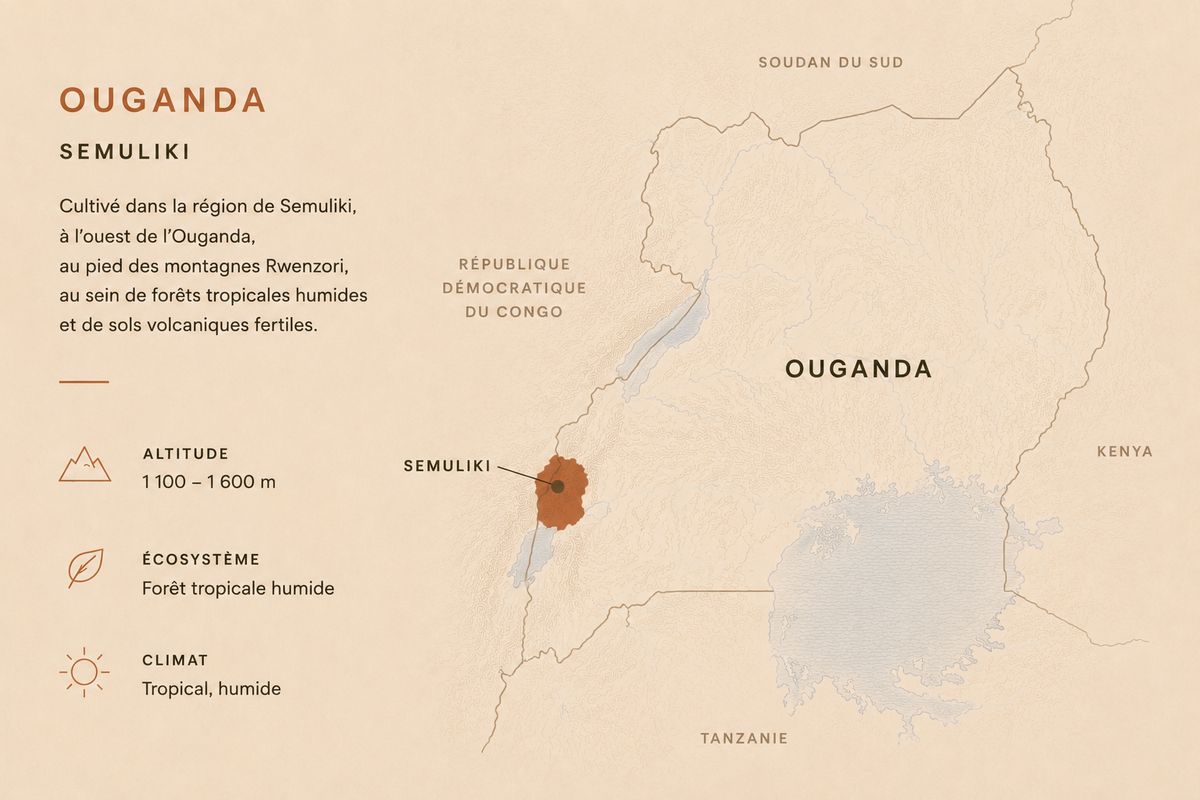
Carte du terroir
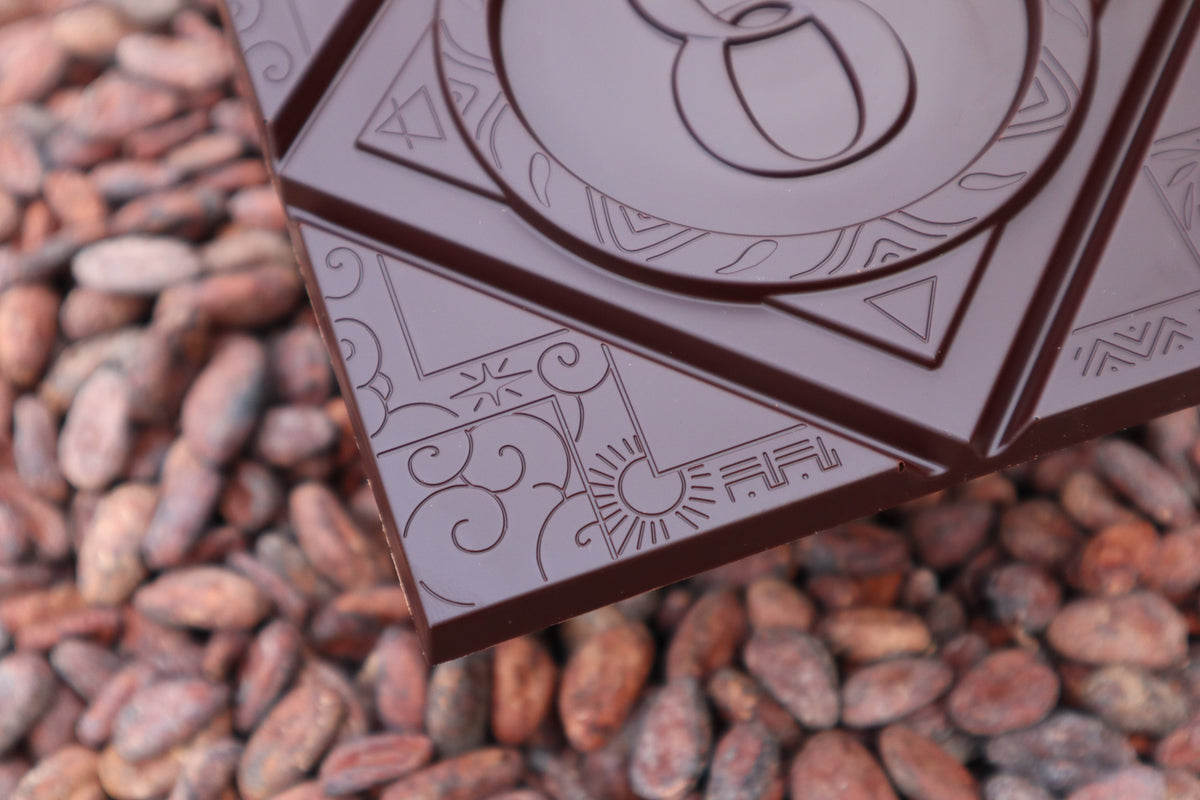
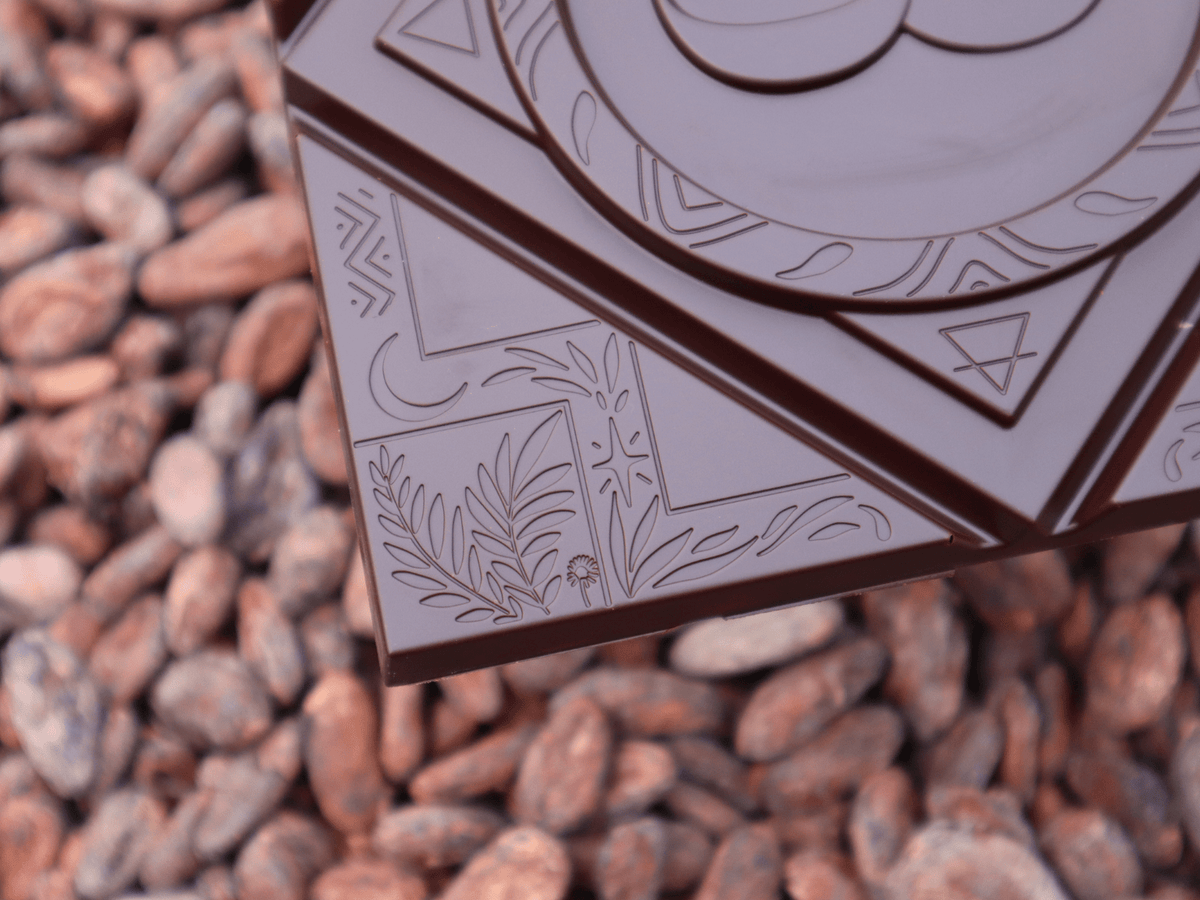
Close-up of a MOOJO dark chocolate bar on a bed of beans · Uganda Semuliki
Uganda · Semuliki · Dark chocolate1 bar Sale price€8,90

Rwenzori · Semuliki

Semuliki

The mountain Ptolemy placed without ever seeing it.

Territory

The mountain Ptolemy placed without seeing it

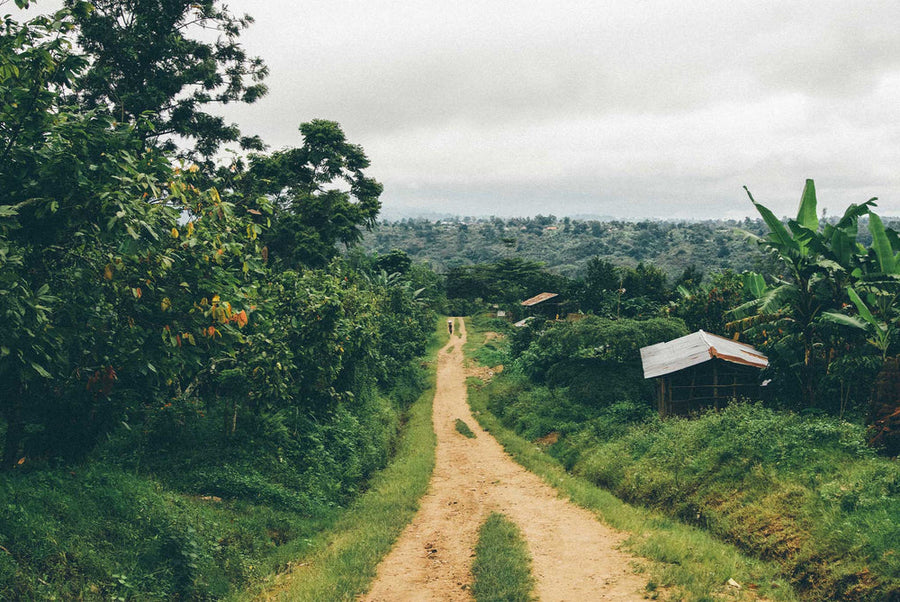
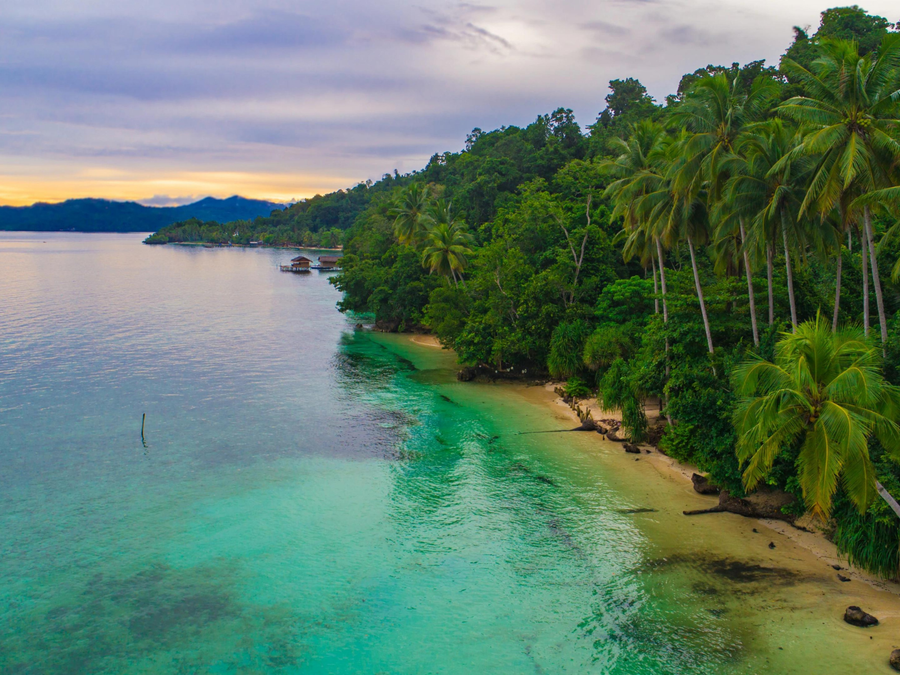
A merchant named Diogenes told of walking twenty-five days from the coast and finding snow-covered mountains from which the Nile came out. Ptolemy copied the account and set the Mountains of the Moon on his maps. It took until 1888 for Stanley to record at last the name the people here used, which he wrote Ruwenzori. Mount Stanley is 5 109 metres, Africa's third summit, and UNESCO describes it as the highest and most constant source of the Nile. The Semuliki valley is below, between 700 and 1 200 metres. That is where this cacao grows.

Our beans are sourced by Crafting Markets.

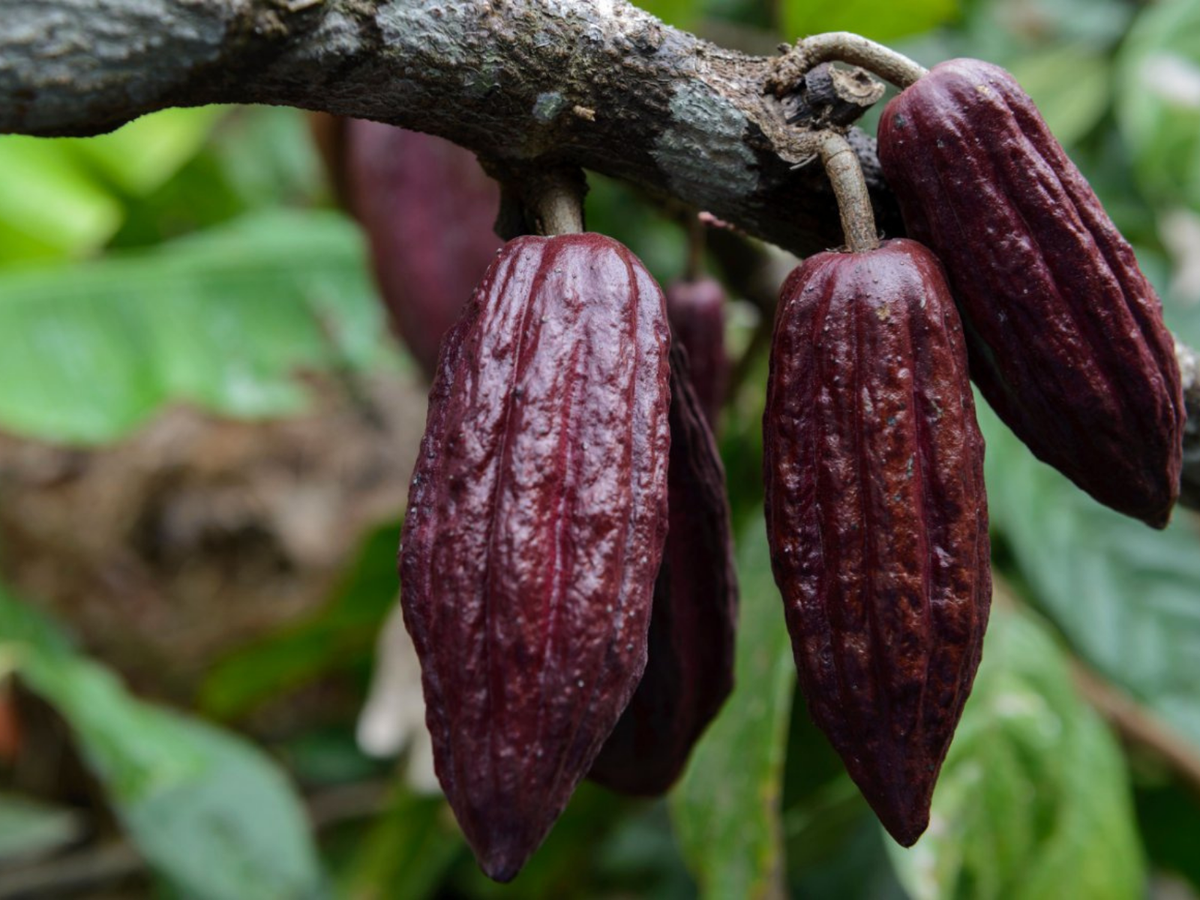
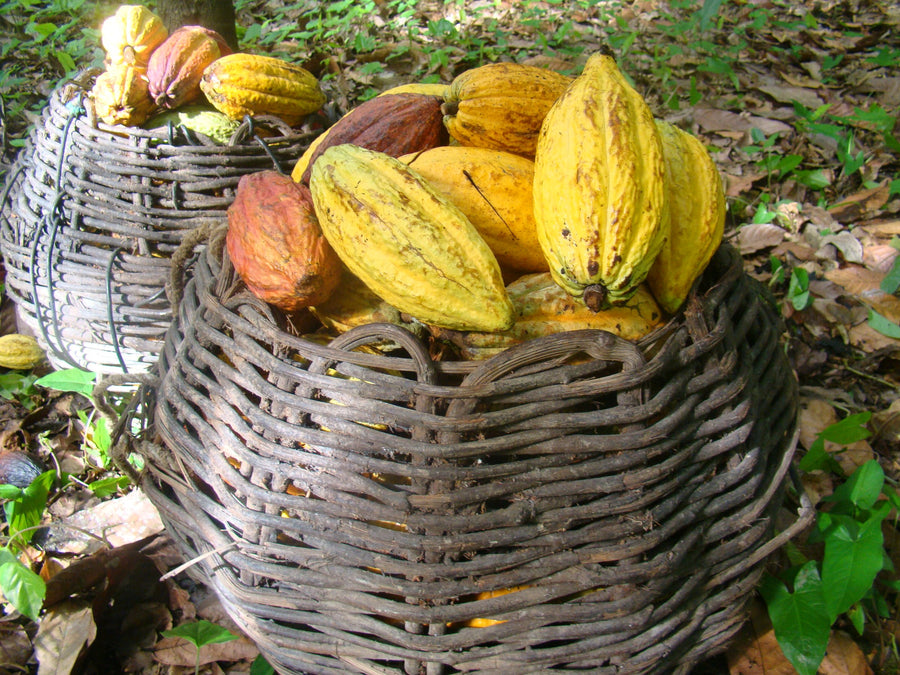
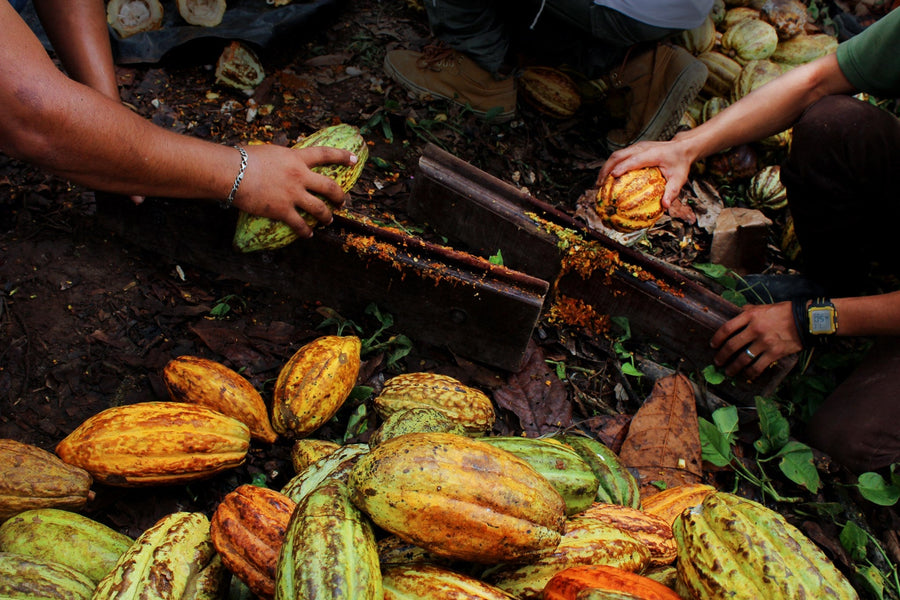
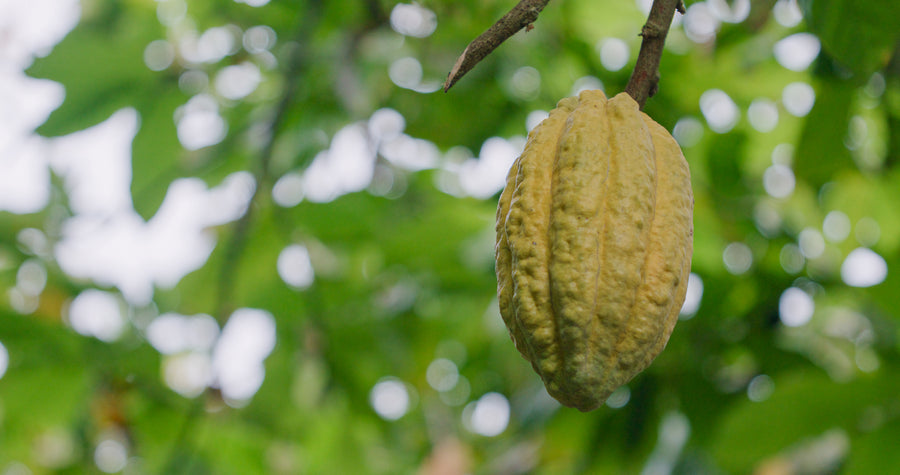
Ouverture des cabosses, Semuliki

The living

Where the Ituri forest stops

On the other side of the plot begins Semuliki National Park: the easternmost extension of the Ituri Forest, the only true lowland tropical forest in East Africa, and one of the few to have come through the last ice age, twelve to eighteen thousand years ago. It counts four hundred and thirty-five bird species and more than three hundred butterfly species.

Forastero and Trinitario mingle in this cacao. On the plots, the cacao trees grow alongside vanilla, coffee, banana and cassava.

Cabosse encore sur l'arbre, Semuliki

The gesture

Nobody ferments at home

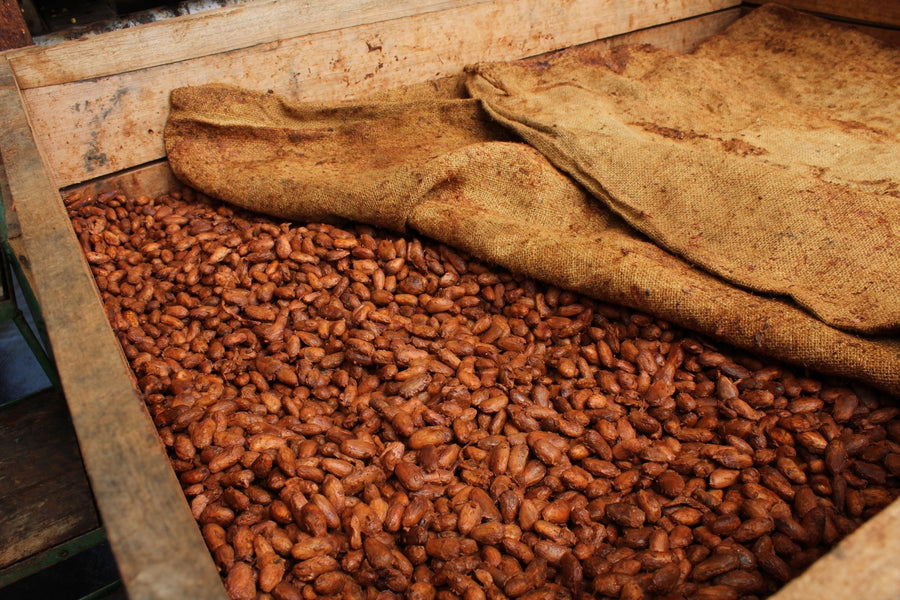
Families carry the wet beans to a collection point, never farther than a walk, and are paid cash at the depot. Everything then goes to the central fermentery at Bumate: six to seven days in boxes, then six to eight days of sun drying on raised beds, and sorting by hand. The lot is traceable to the kilogram. What changes is not the recipe, it is who owns the box: a family's income no longer depends on the equipment it has in its yard.

Caisses de fermentation couvertes, Semuliki