Skip to content

Cart

Your cart is empty

Continue shopping
EXPLORER LES CHOCOLATS NOIRS
Voir tous les chocolats noirs

Tomé-Açu

Lightly roasted

Pará · Fazenda Takahashi, Amazonian agroforestry

Sachet MOOJO Tomé-Açu 60 g, chocolat noir 72 %
Get my access · opens 26.10 (opens in a new tab)

Cacao type

Sweetened dark chocolate

Recommended dose

20–40 g

Making a drink
  1. For a pure cacao drink, allow 20–30 g per cup, or 30–40 g for a denser texture. With a chocolate bar, adjust the amount to your taste: it already contains sugar.
  2. Grate or break up the cacao or chocolate.
  3. Heat the water, or a plant-based drink, without bringing it to the boil: 60 to 65 °C at most.
  4. Pour over the pieces, let them melt, then beat with a whisk or a molinillo until you get an even foam.
Sold out
Sale price€9,00
Taille: 1 tablette

New origin

First harvest expected on 30 November.

  • Shipped Monday and Thursday

  • Stone ground

The terroir

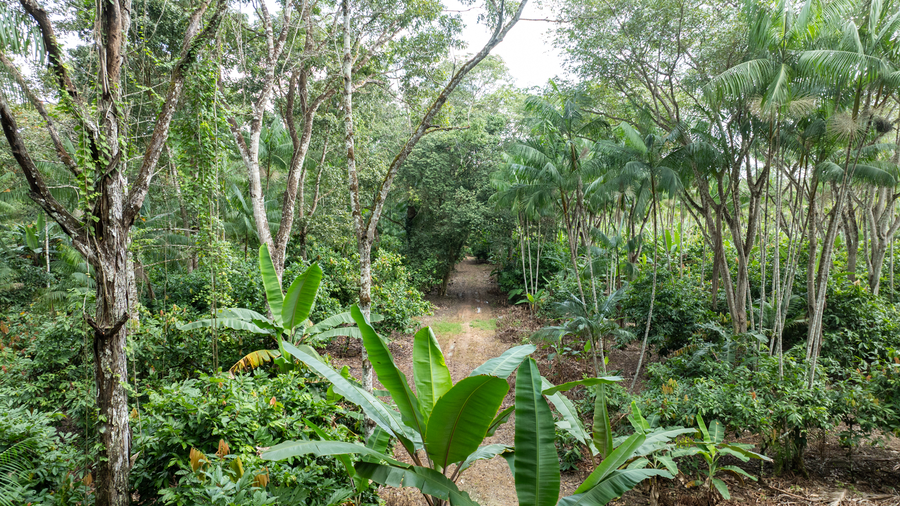
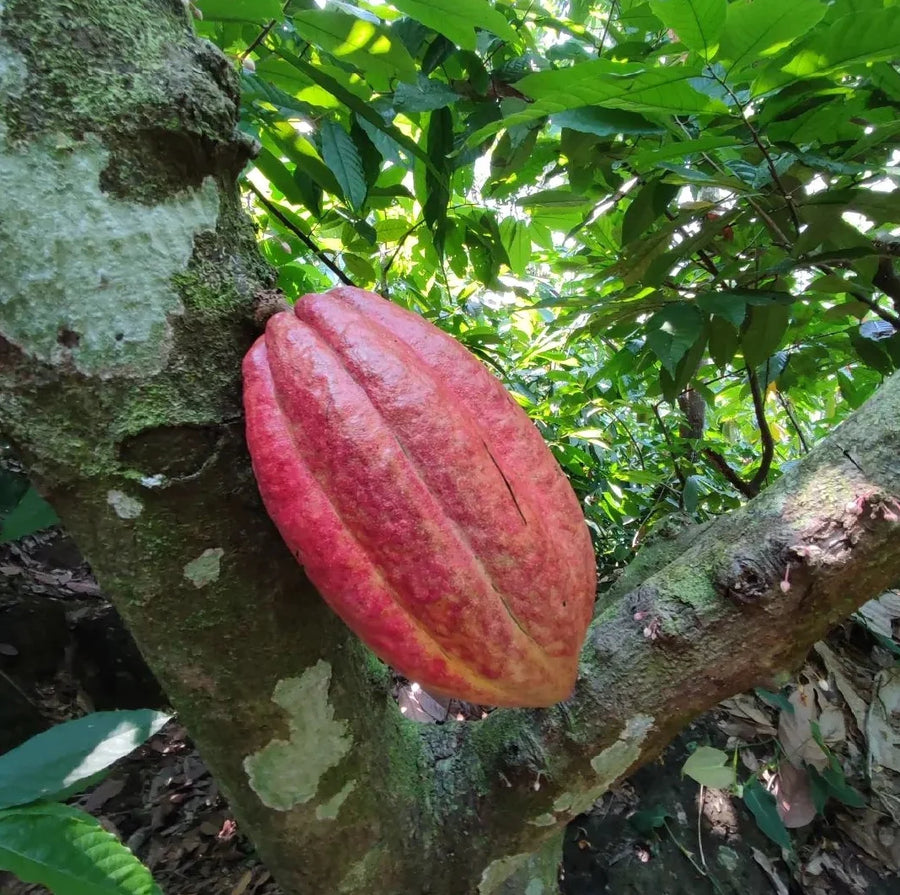
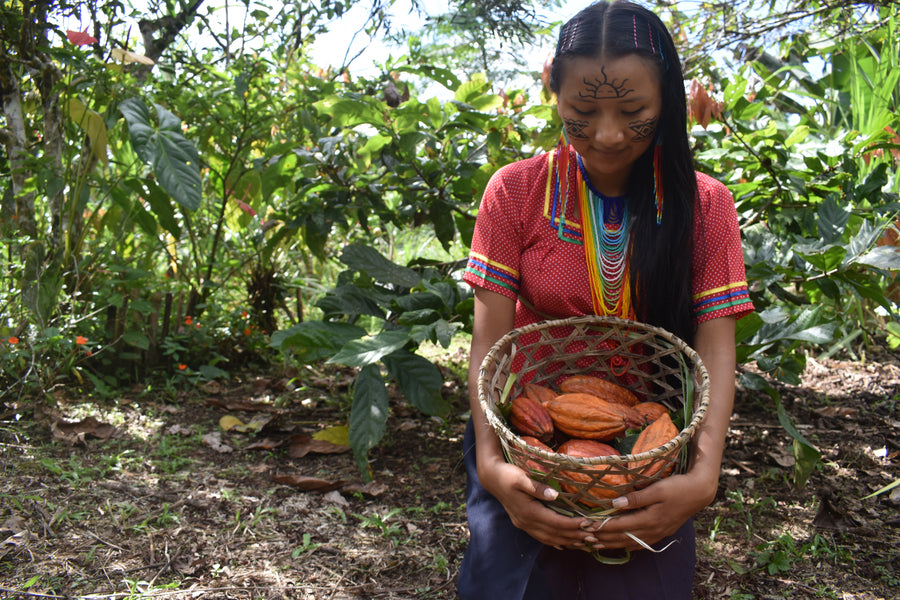
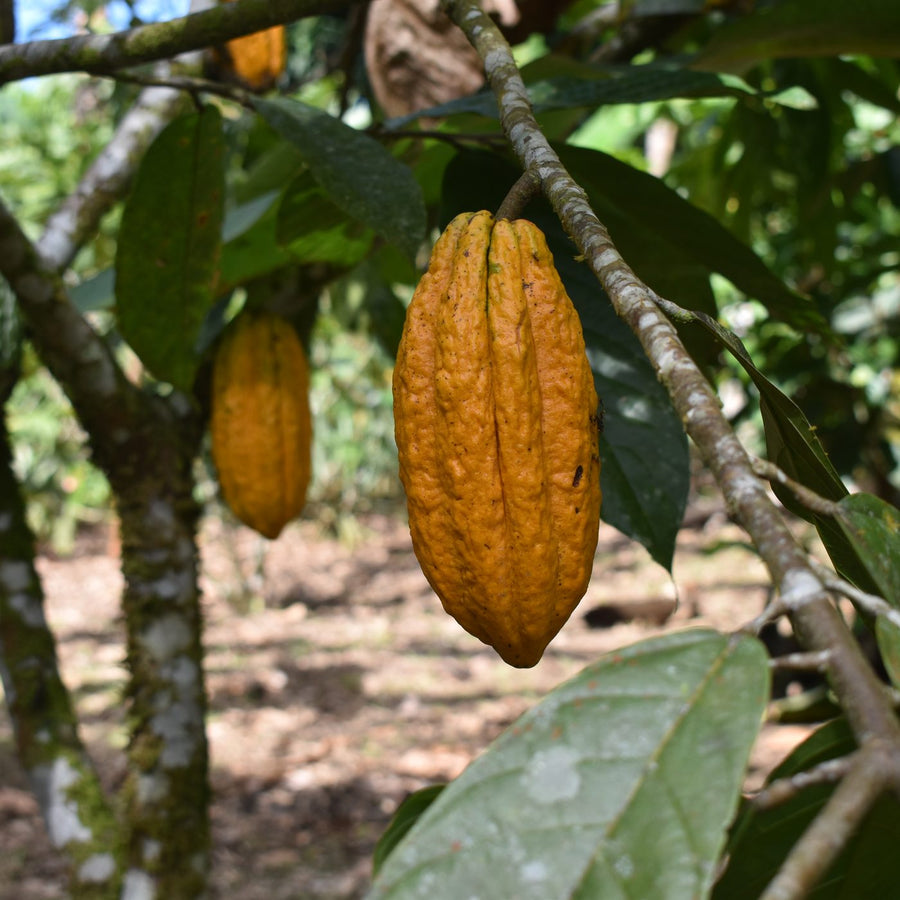
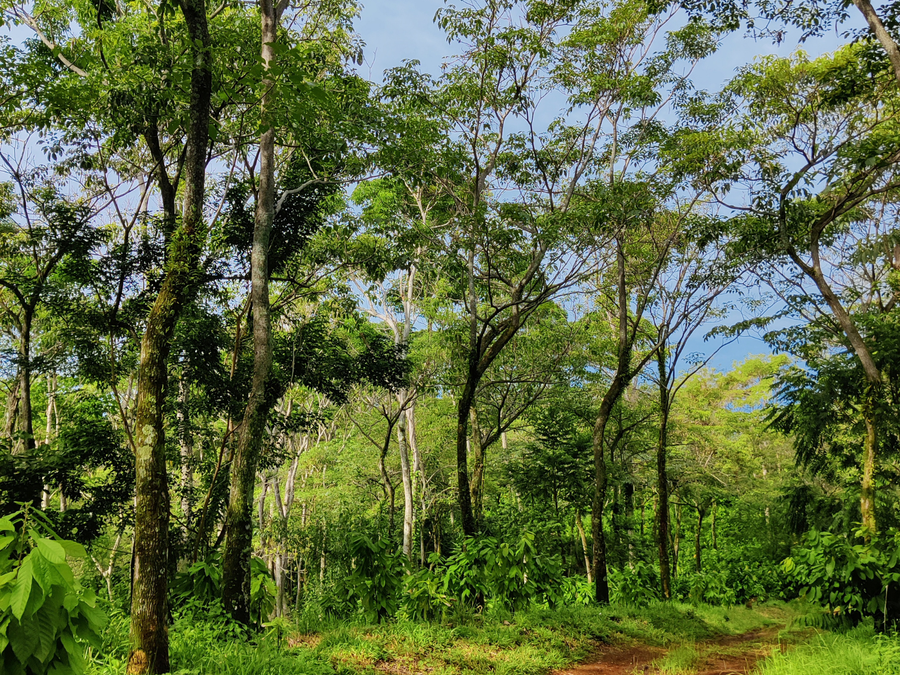
In Tomé-Açu, in Pará, the cacao of Fazenda Takahashi grows beneath the trees. Harvested by hand, the beans ferment for seven days, dry in the sun under cover, then cross the Atlantic under sail.
Country Brazil
Harvest Hand harvested
Altitude 200–400 m
Fermentation 7 days
Drying Solar drying under covered driers
Roasting Lightly roasted
Sachet MOOJO Tomé-Açu 60 g, chocolat noir 72 %
Brazil · Tomé-Açu · Dark chocolate 72%
La Fazenda Takahashi dans la forêt, Tomé-Açu

Pará · Tomé-Açu

Tomé-Açu

Une ferme dans la forêt du Pará.

Territory

Great Tomé, little Acará

In Old Tupi, açu means big and mirim means small. Tomé-Açu is the big Tomé; the river on whose banks it all began is called Acará-Mirim, the little Acará.

In 1929, Japanese families landed on these banks to plant rice. The crop failed, and many moved on to the south. Those who stayed worked out a way of farming beneath the trees. Today, the cacao of Fazenda Takahashi grows in this landscape.

Nos fèves sont sourcées par Cacao Latitudes.

Piste sous les cacaoyers et les palmiers, Tomé-Açu

Peoples

Languages on the banks of the Acará

The Tembé and the Turiwara lived in the region before the Japanese families arrived. The Tembé's Tenetehara belongs to the Tupi-Guarani family; Turiwára no longer has any speakers. Nheengatu, too, runs through the history of this valley, first as the official language of Grão-Pará, then banned.

In 1929, the newcomers from Japan brought another language with them. Today, at Fazenda Takahashi, the harvest is done by hand: people seated on stools around wheelbarrows, at the foot of the trees.

Deux hommes dans l'allée de la cacaoyère, Tomé-Açu

Post-harvest

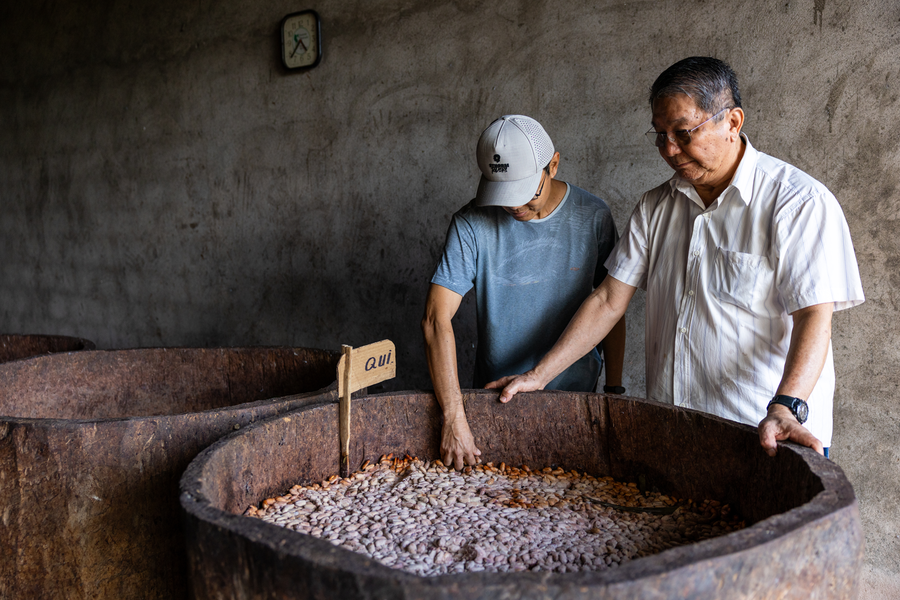
Seven days of fermentation, then the sun

At Fazenda Takahashi, fermentation lasts seven days. Then the beans dry in the sun, under cover: the roof protects them from the downpours of the eastern Amazon.

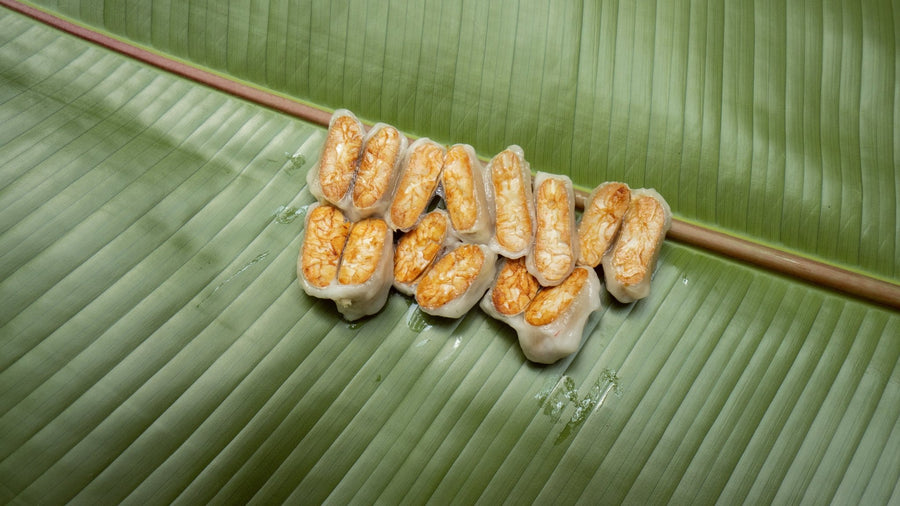
The check is done with a blade. A handful of beans is split in two, and the colour inside is examined.

Troncs de fermentation couverts de feuilles, Tomé-Açu

Crossing

The Anemos, as far as Le Havre

The Tomé-Açu beans cross the Atlantic under sail, aboard New TowT's Anemos, as far as Le Havre. La Carrera also makes the voyage with New TowT; Maya Mountain reaches Hamburg with Timbercoast.

For this cacao from Pará, the sea ends at the quay in Le Havre.

Le voilier Anemos en mer

Tomé-Açu

Cacau de Tomé-Açu, 2024. En portugais.