Skip to content

Cart

Your cart is empty

Continue shopping
EXPLORER LES CHOCOLATS NOIRS
Voir tous les chocolats noirs

Hacienda La Carrera

Lightly roasted

Jiquilisco, mangrove & agroforestry

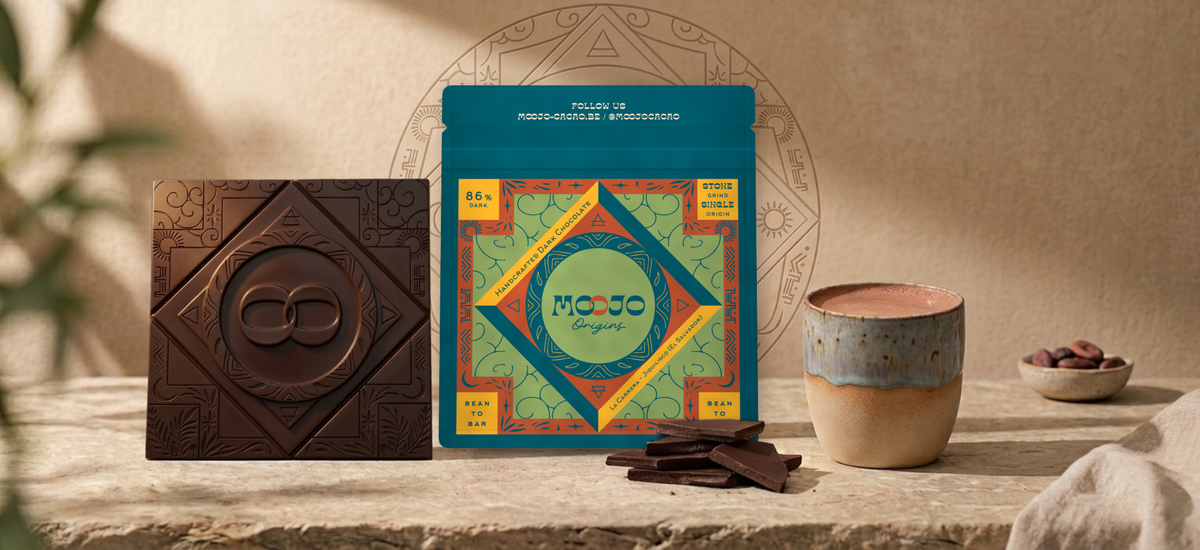
Sachet MOOJO Hacienda La Carrera 60 g, chocolat noir 86 %
Get my access · opens 26.10 (opens in a new tab)

Cacao type

Sweetened dark chocolate

Recommended dose

20–40 g

Making a drink
  1. For a pure cacao drink, allow 20–30 g per cup, or 30–40 g for a denser texture. With a chocolate bar, adjust the amount to your taste: it already contains sugar.
  2. Grate or break up the cacao or chocolate.
  3. Heat the water, or a plant-based drink, without bringing it to the boil: 60 to 65 °C at most.
  4. Pour over the pieces, let them melt, then beat with a whisk or a molinillo until you get an even foam.
Sold out
Sale price€9,50
Taille: 1 tablette

New origin

First harvest expected on 30 November.

  • Shipped Monday and Thursday

  • Stone ground

The terroir

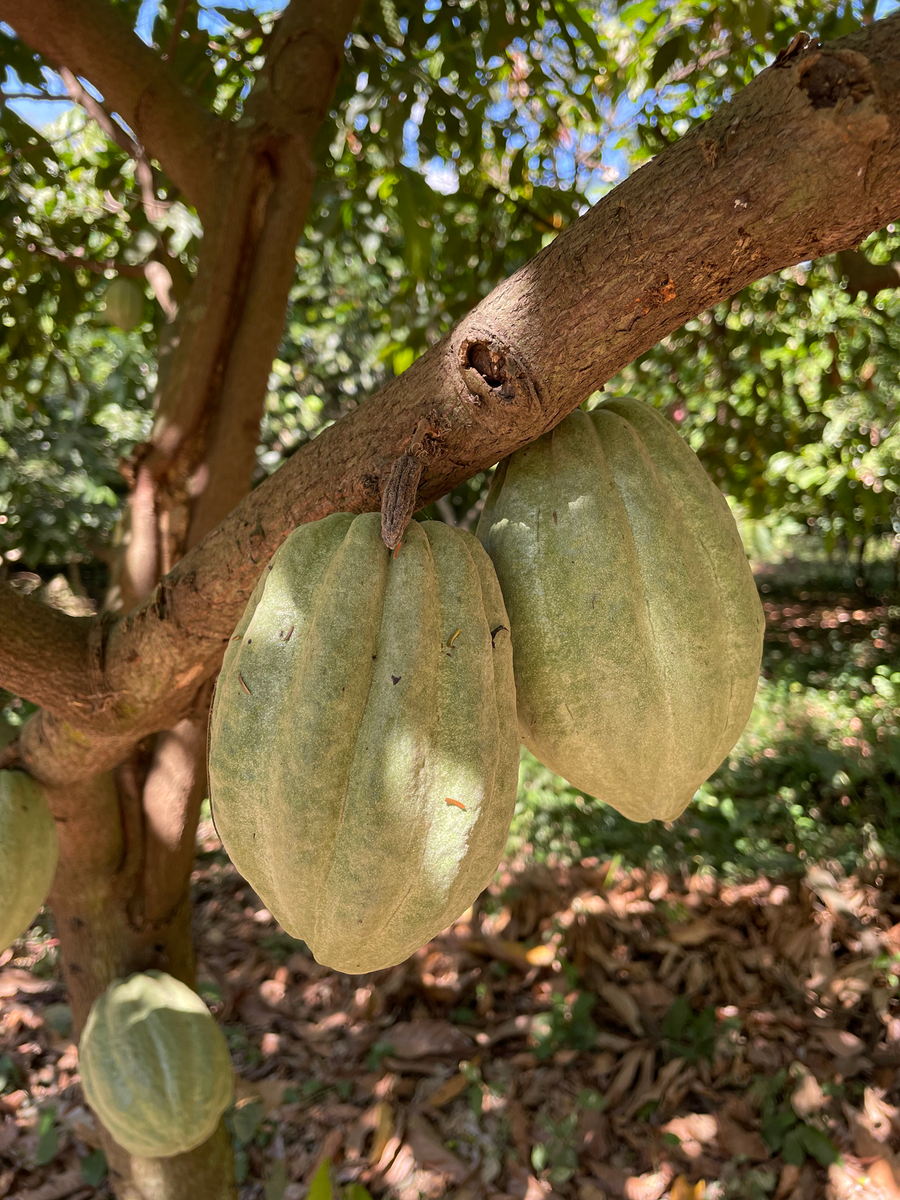
In Jiquilisco, in Usulután, Hacienda La Carrera grows cacao beneath the trees, on the edge of the mangroves. A week of box fermentation, eighteen days dried on raised beds, then the crossing under sail.
Country El Salvador
Harvest September to December
Altitude 26 m
Fermentation 7 days
Drying 18 days on raised beds
Roasting Lightly roasted
Sachet MOOJO Hacienda La Carrera 60 g, chocolat noir 86 %
El Salvador · Hacienda La Carrera · Dark chocolate 86%
Volcan au-dessus de la mangrove, La Carrera

Usulután · Jiquilisco

La Carrera

Vingt-six mètres, entre les volcans et la mangrove.

Territory

26 metres above the sea, between the volcanoes and the mangrove

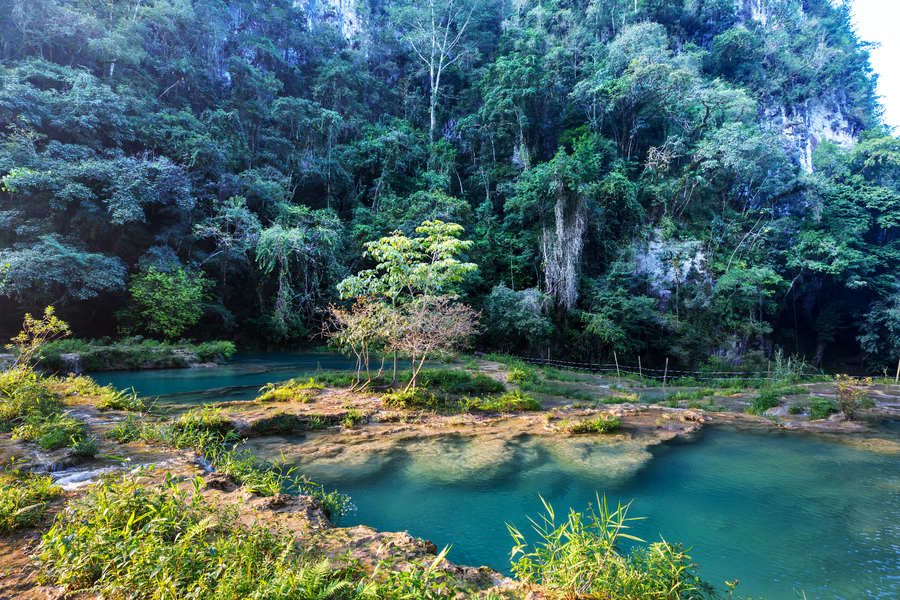
To the north stand the outlines of the Tecapa and Usulután volcanoes. To the south opens the Bay of Jiquilisco, a Ramsar wetland and biosphere reserve, with its mangroves.

Between the two, on the Usulután coastal plain, Hacienda La Carrera grows cacao beneath the trees, twenty-six metres above the sea.

Nos fèves sont sourcées par Cacao Latitudes.

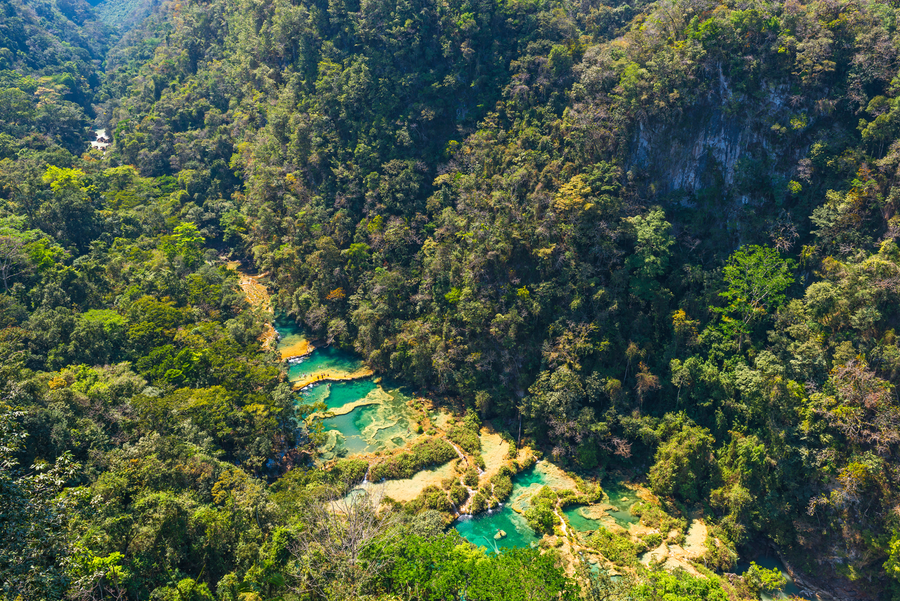
Eau et mangrove, Jiquilisco

The living

El Salvador's last monkey lives in the shade trees

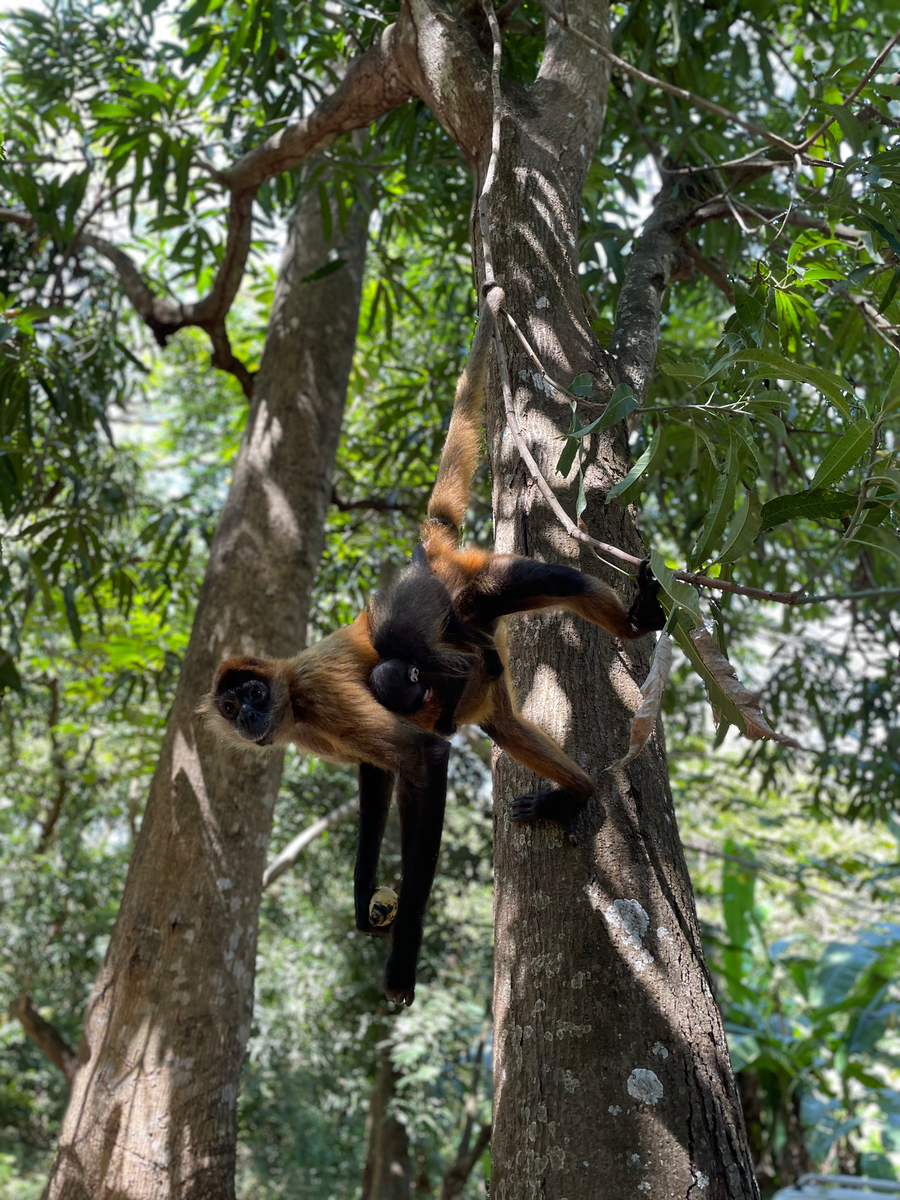
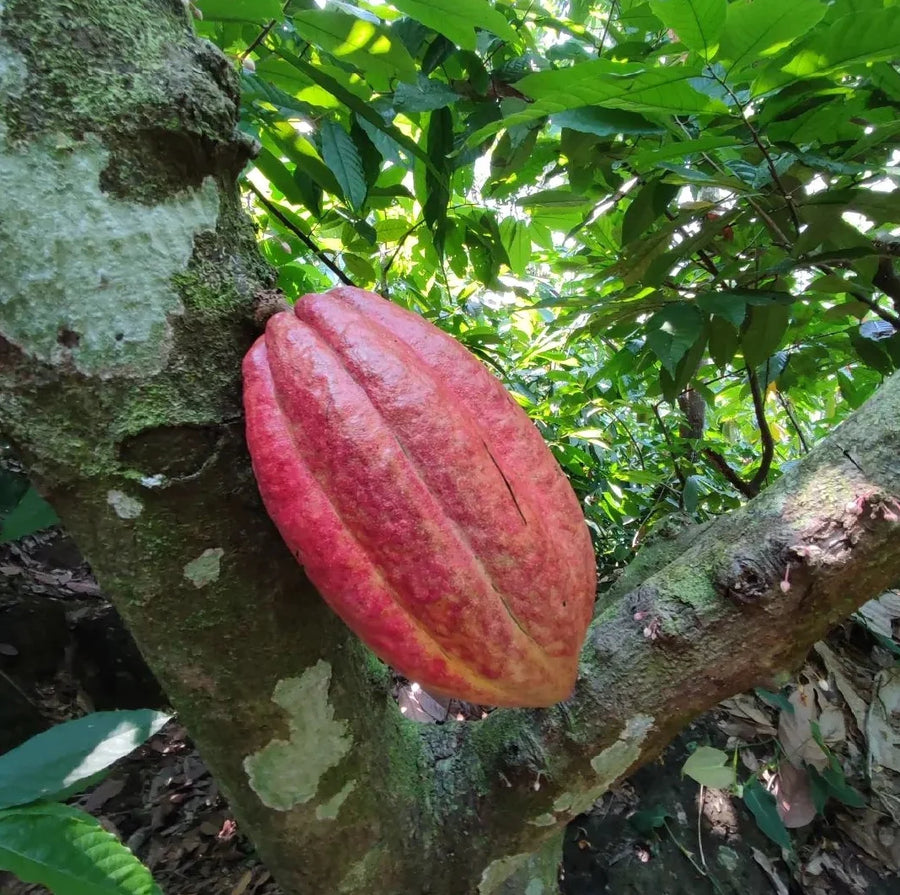
El Salvador has only one wild primate left, Geoffroy's spider monkey, and it lives here, in the plantation's shade trees: an adult female hanging between two trunks, a young one clinging to her back. The neighbouring Jiquilisco reserve is also home to thirty-seven endangered species and fifty-eight threatened species. Nahù places La Carrera at the top of its agroforestry scale, the level it calls forest: more than ten tree species, more than seventy per cent native species, at least three layers. Century-old shade trees hold the canopy, above old cacao trees. The flowers grow straight from the trunk, tiny, white and pink, beside this year's pods.

Singe-araignée et son petit dans un arbre d'ombrage, Hacienda La Carrera

The gesture

Seven days in the box, eighteen days of sun

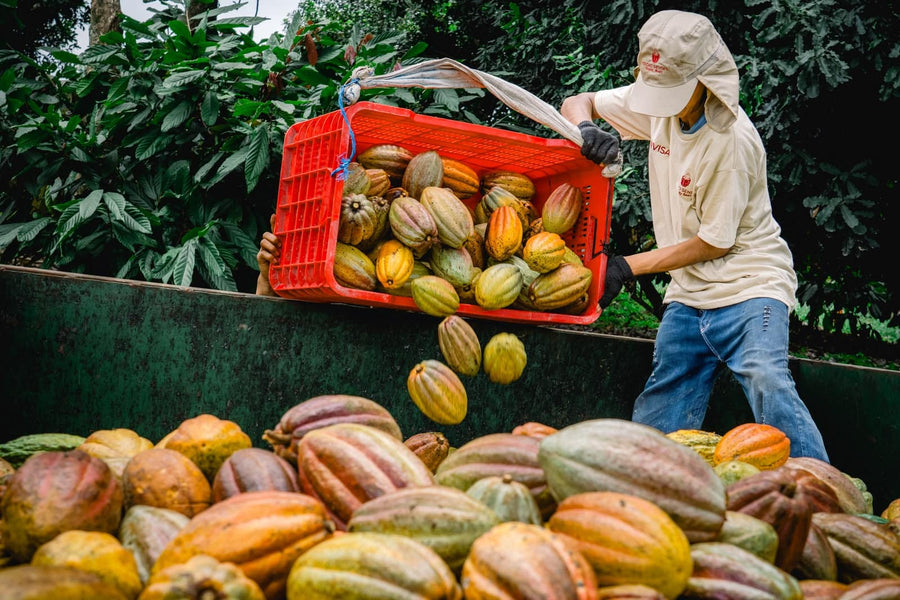
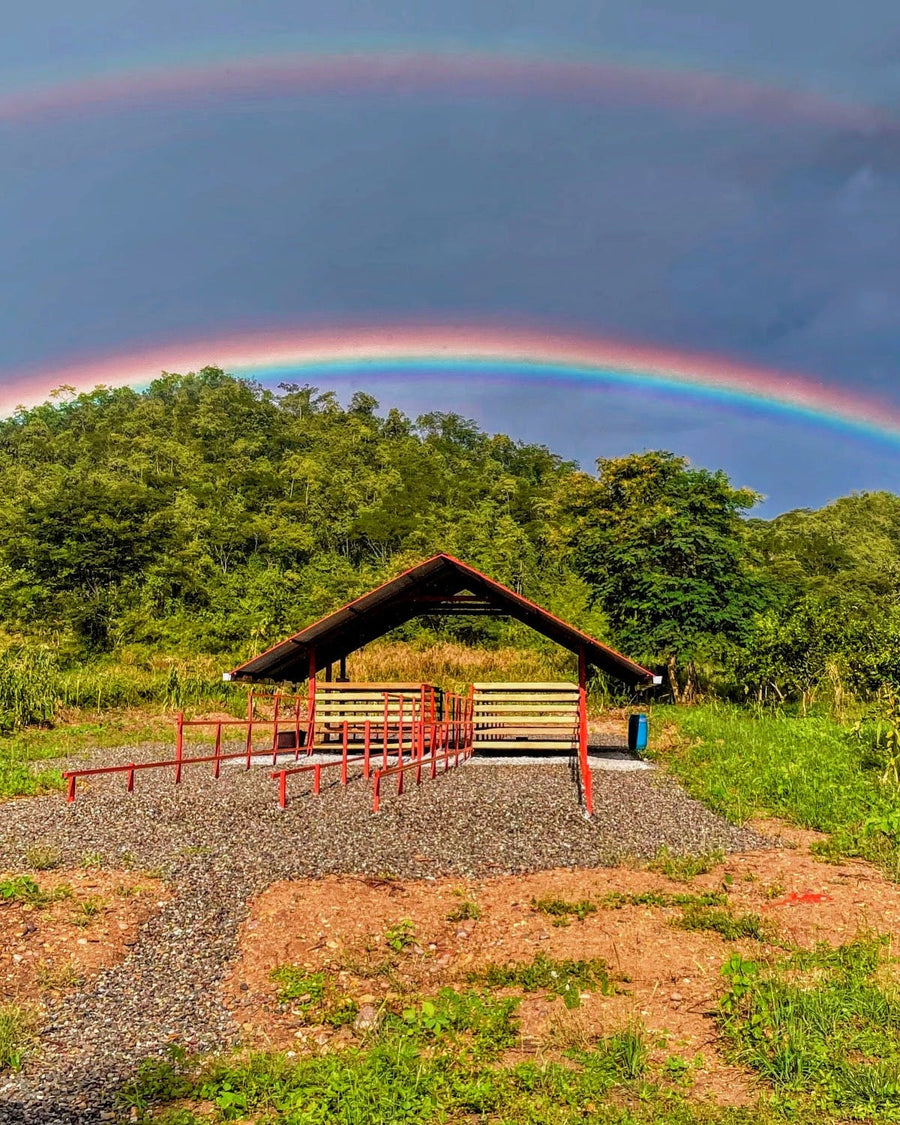
From September to December, the harvest is done by hand. The pods are sorted right on the ground, in two rows: the affected ones on one side, the healthy ones on the other. The beans then ferment for seven days in wooden boxes and dry for eighteen days on raised beds. Almost three weeks outdoors. Above the beds, sheet-metal roofs slide on rails: they are pulled across when the rain comes and opened again when it passes, and meanwhile the plantation workers turn the beans by hand, an armful at a time. At the end, in the plantation's laboratory, the beans are taken all the way to cacao mass and chocolate, to taste what the plot has given.

Lits de séchage à toits coulissants, Hacienda La Carrera

Crossing

Under sail, then the quay at Le Havre

This lot crosses the Atlantic under sail with New TowT, all the way to Le Havre. At the quay, the ship's crane lifts the pallets out of the hold and sets them down on the paving, one cage at a time.

L'Anemos à quai, sacs de cacao sur le bord

Peoples

One language has fallen silent, the other is still spoken

Usulután was founded by the Lenca, then conquered by the Pipil. The Potón of El Salvador's Lenca has lost its last speakers; the Nahuat of the Pipil is still spoken, despite the repression that broke its transmission after 1932.

The name Jiquilisco still bears the trace of indigo: xiquilit, the plant, and ishko, the man. Today, Jairo Vigil and Héctor García run the plantation. On the estate's shirts, its full name is embroidered: San José del Real de la Carrera.