Skip to content

Cart

Your cart is empty

Continue shopping
Explore the origins
Voir les 14 origines

Nacional Kallari

Lightly roasted

Amazonia & Chakra Kichwa

Nacional Kallari

The terroir

Upper Amazon of the Napo, Chakra Amazónica of the Kallari kichwa communities. Slow fermentation and drying. Pure Nacional, preserved in a forest environment, expressed in our most intense dark chocolate.
Origin Nacional Kallari
Country Ecuador
Terroir Amazonia & Chakra Kichwa
Harvest Spread across the year (seasonal peaks)
Fermentation In boxes · at the cooperative
Roasting Lightly roasted
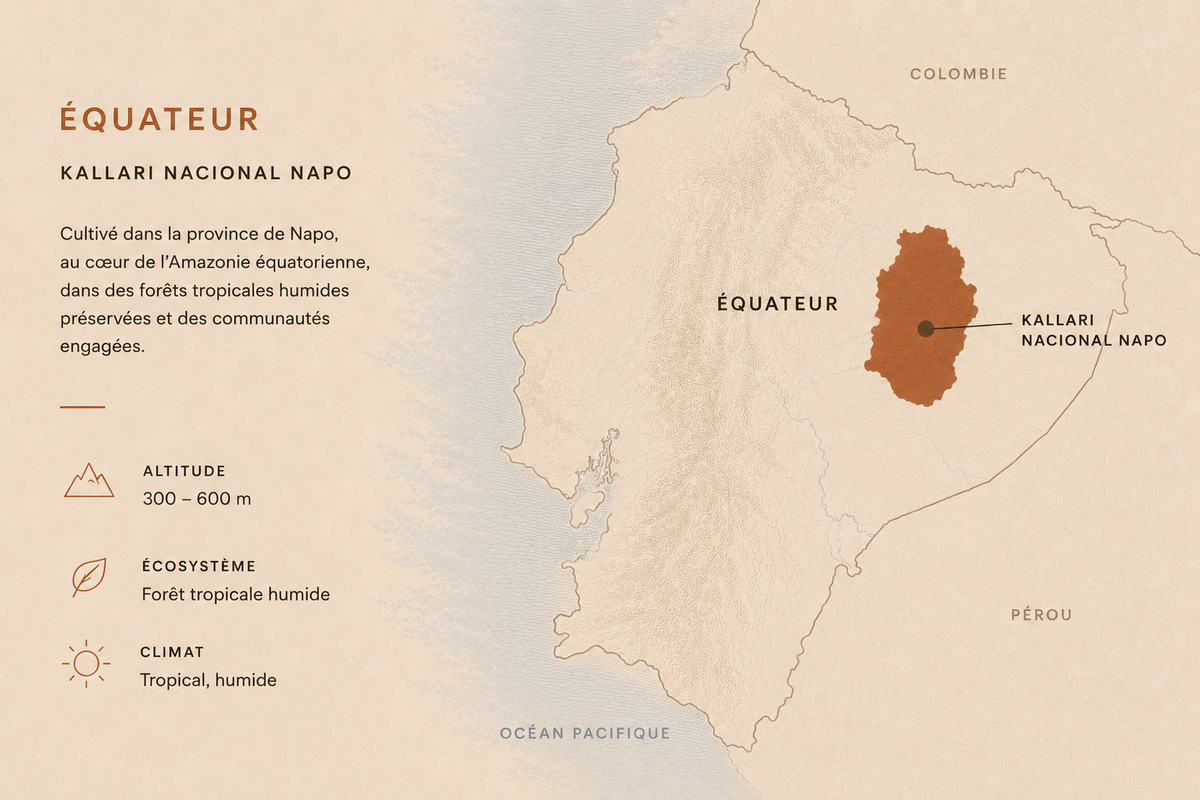
Carte du terroir

Tasting notes

Floral · Soft & Round

Texture

Floral & velvety

Cultivar

Nacional

Recommended dose

1 to 2 squares (5-10 g) per tasting

How to prepare
  1. Grate or break off the amount indicated above.
  2. Heat the water (or a plant drink) until hot, never bringing it to the boil · 60 to 65 °C maximum.
  3. Pour over the cacao, let it melt, then emulsify with a whisk or a molinillo until you obtain an even foam.
Sale price€8,50
Size: 1 bar

In stock · Shipping within 24 to 48h

Ingrédients & valeurs nutritionnelles

Cocoa mass*, cane sugar, cocoa butter*. *from organic farming. Cocoa: 82% minimum.

Valeurs moyennes pour 100 g
Énergie 2449 kJ / 592 kcal
Matières grasses 46,9 g
dont acides gras saturés 28,4 g
Glucides 37,8 g
dont sucres 12,9 g
Fibres alimentaires 12,5 g
Protéines 10,8 g
Sel < 0,013 g

May contain traces of nuts. Made in a workshop that also handles other nuts.

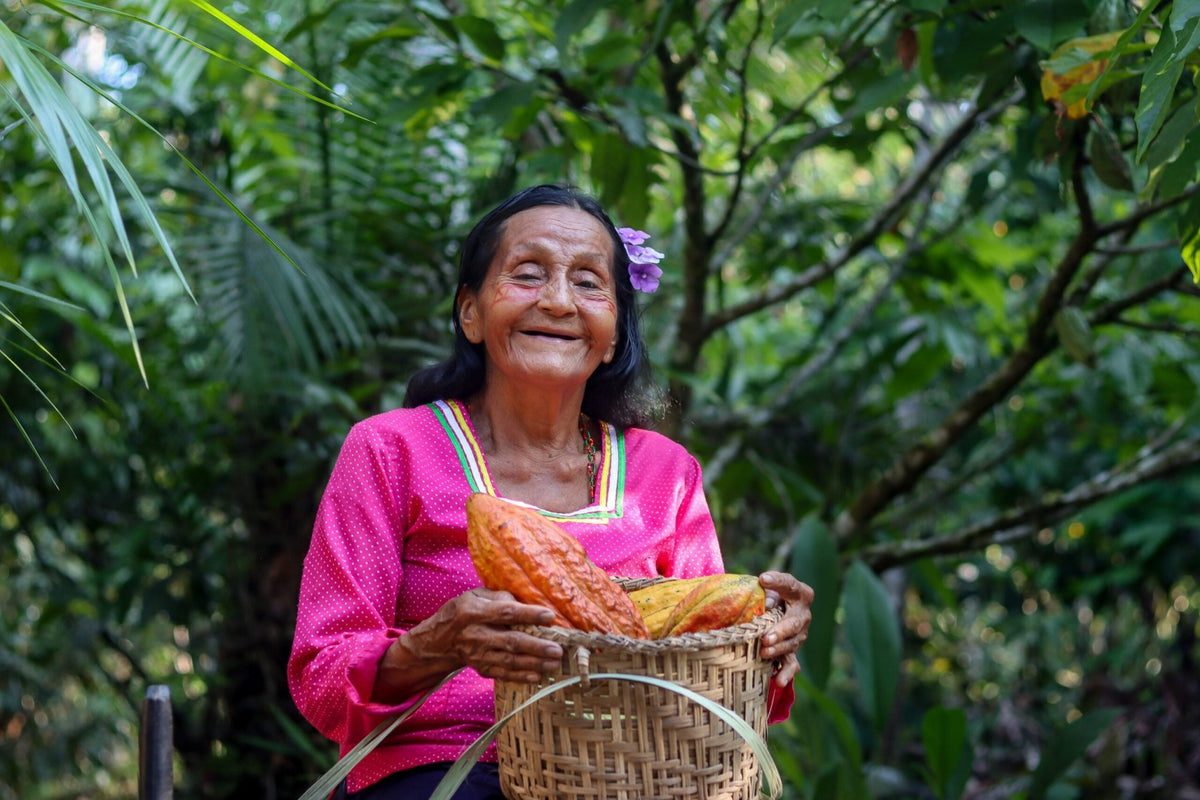
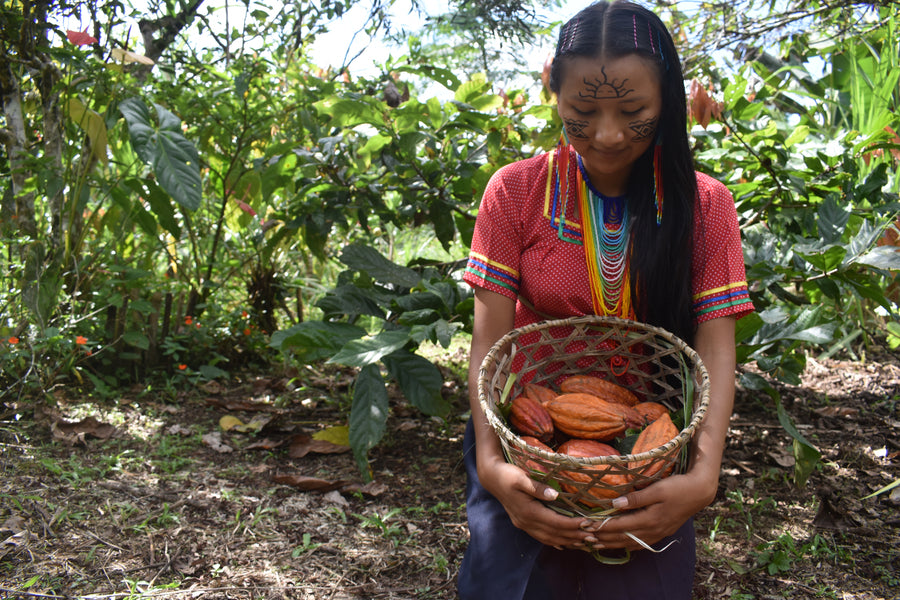
Smiling woman carrying a harvest basket in the cacao grove · Ecuador Nacional Kallari
Ecuador · Nacional Kallari · Dark chocolate1 bar Sale price€8,50

Territory

The garden FAO inscribed in 2023

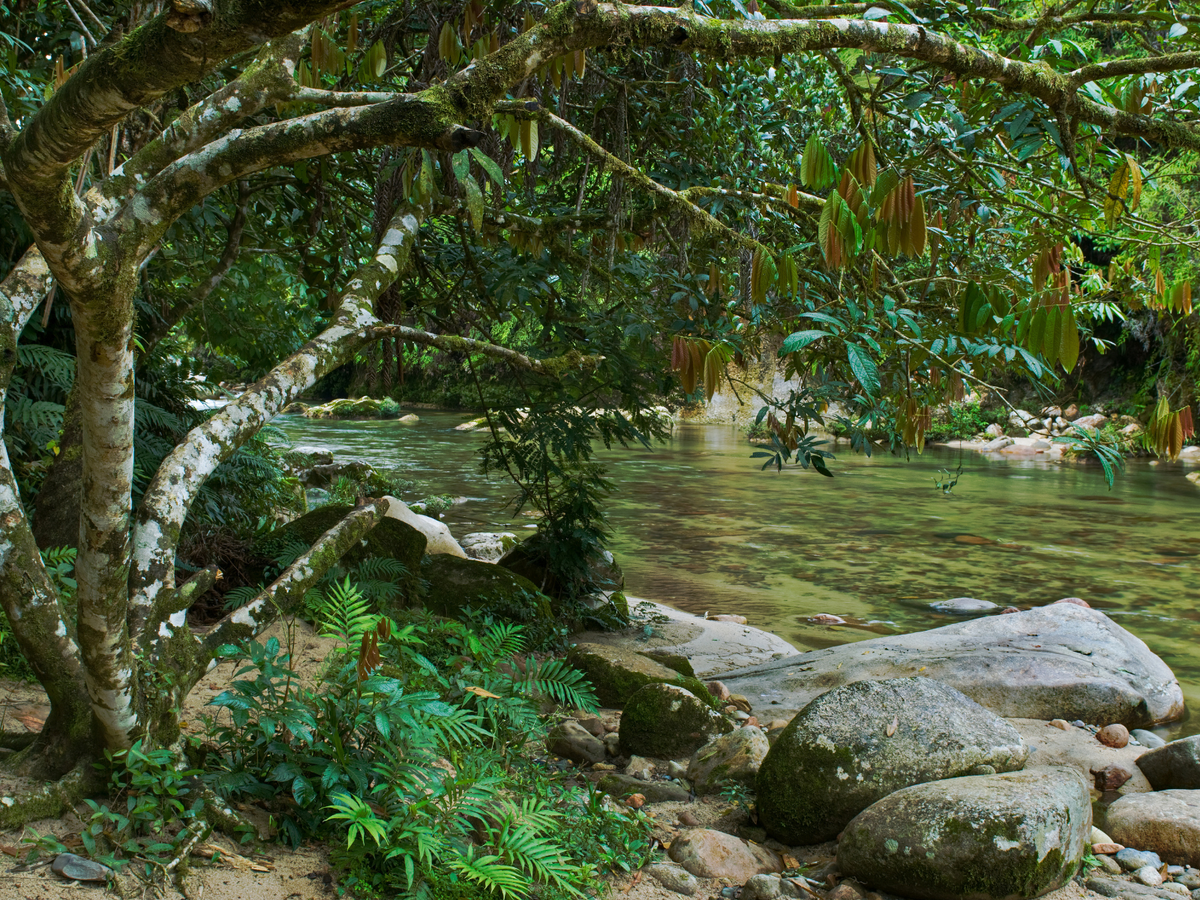
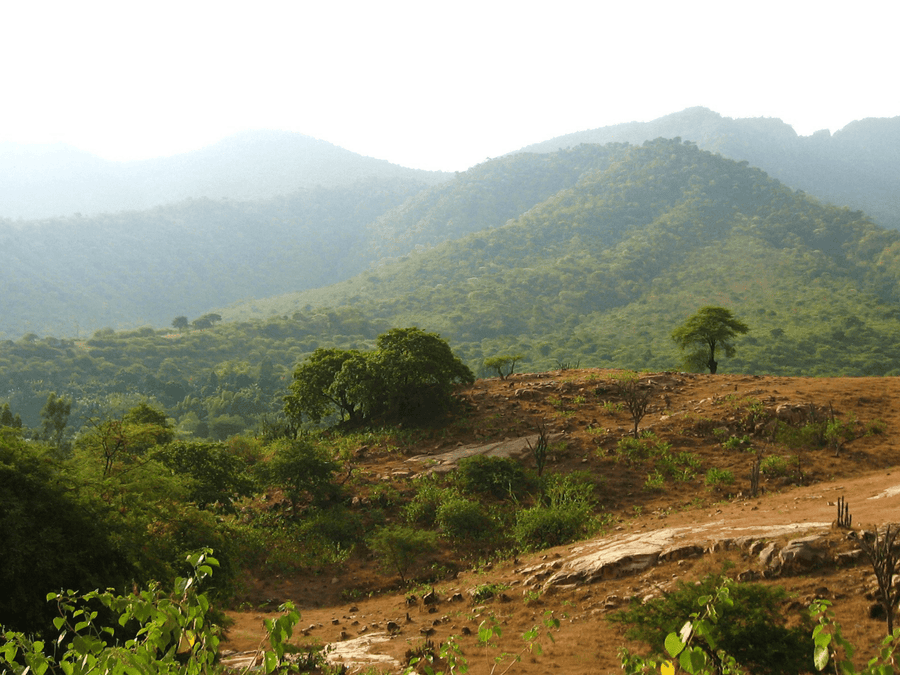
On 13 February 2023, FAO declared the Amazonian chakra of the Kichwa and Kijus communities a Globally Important Agricultural Heritage System. A chakra is not an orchard. It is a three-storey plot, trees above, cassava and shrubs in the middle, taro and yam on the ground, opened in the forest then left to close again on a cycle that has its name in Kichwa, chakra-ushun-purun-realce. FAO recorded more than a hundred plant species in regular use there. Nacional cacao is one of them, among cassava, plantain, chonta palm and guayusa. Here, between 300 and 700 metres, the harvest runs from October to February.

The province of Napo also holds a UNESCO biosphere reserve, Sumaco, listed in 2000: 931 930 hectares from the Andean páramo to the Amazonian plain, two hundred and six thousand inhabitants. And the río Napo, which is born on the flanks of Antisana and Cotopaxi and joins the Amazon one thousand one hundred kilometres further on, seventy kilometres downstream of Iquitos.

Film: Sistema de producción « Chakra Amazónica », Kallari Chocolate

Peoples

Kallari means to begin

Kallari is a Kichwa word: to begin, the dawn. The association was formed in 1997 in Tena, capital of Napo, and brings together more than eight hundred and fifty families in twenty-one communities. In 2022, sixty-two per cent of its members were women. In the chakra system, it is the woman who keeps the seeds and the food of the house: she is called chagramama.

Collective work has its name too, the minga. A socio from Tena puts it this way: in two or three hours, a minga clears one or two hectares, where a man alone takes a year. And before day, in the communities of Napo, people rise to drink guayusa as a family and tell their dreams. That is called wayusa upina. They interpret: to dream of dogs is to dream of snakes, one will have to be careful in the day. Guayusa grows in the chakra, cut at thirty-five centimetres, and it is traditionally the woman who prepares the drink.

The language they speak is called runa shimi, the people's language. The Kichwa inhabitants of Napo call themselves Napu Runa. Forty-six thousand two hundred and thirteen of them speak it in this province alone.

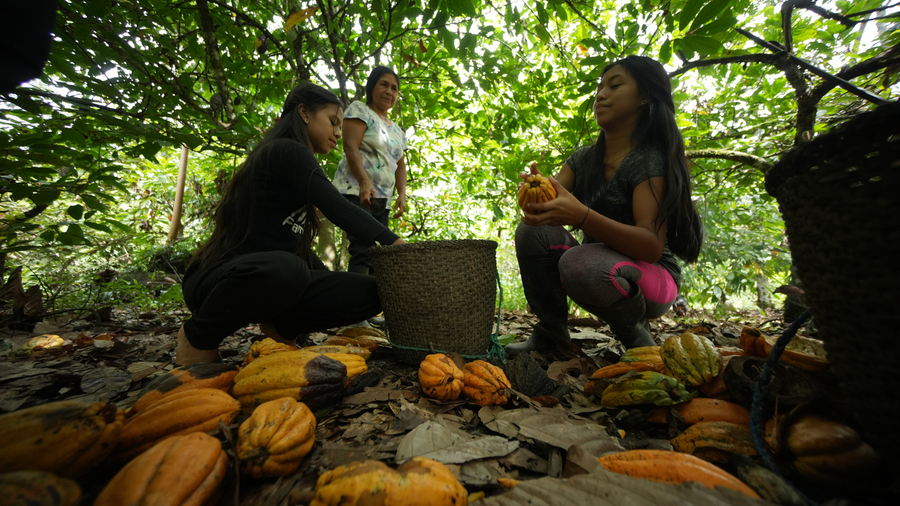
Harvest in the chakra, Kallari communities
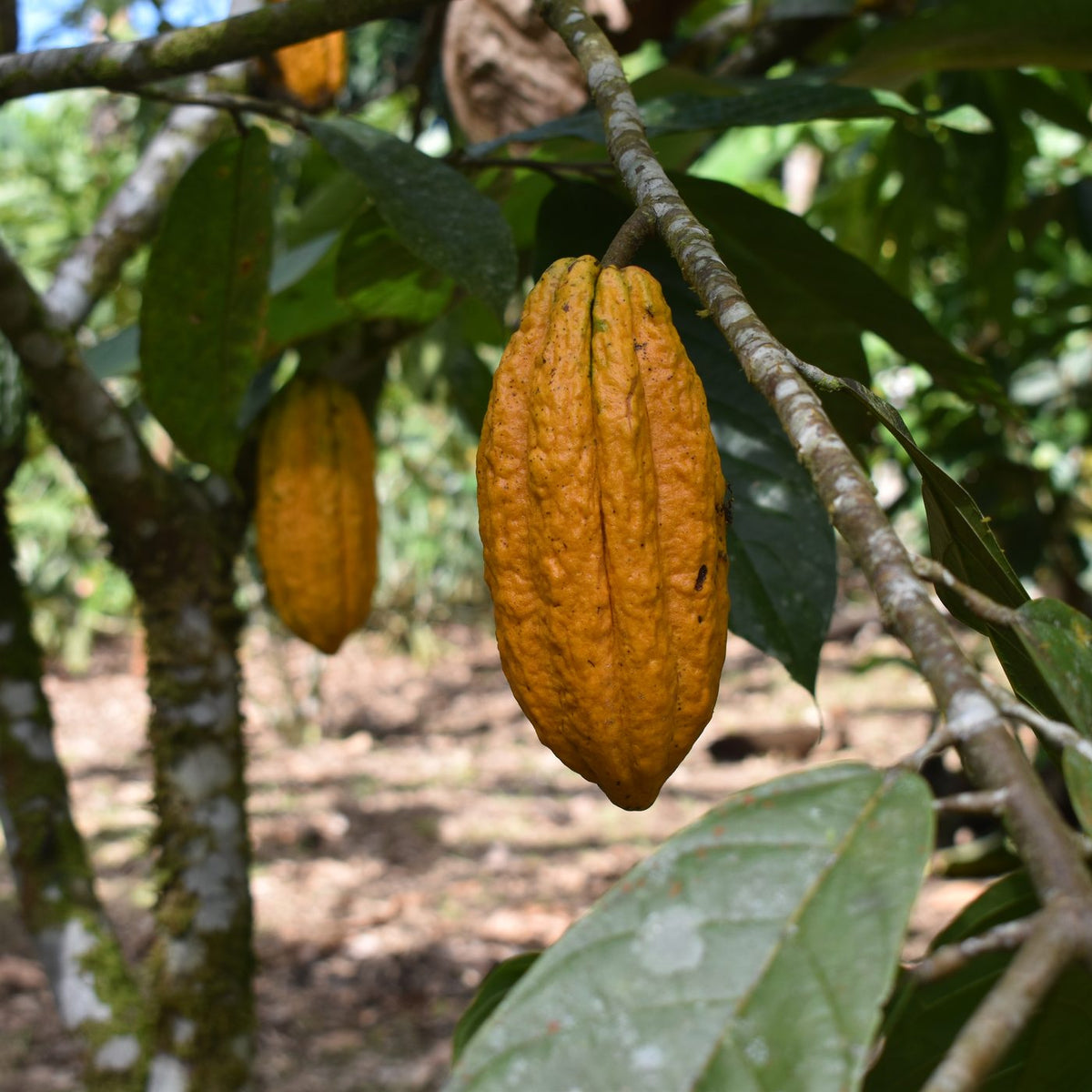
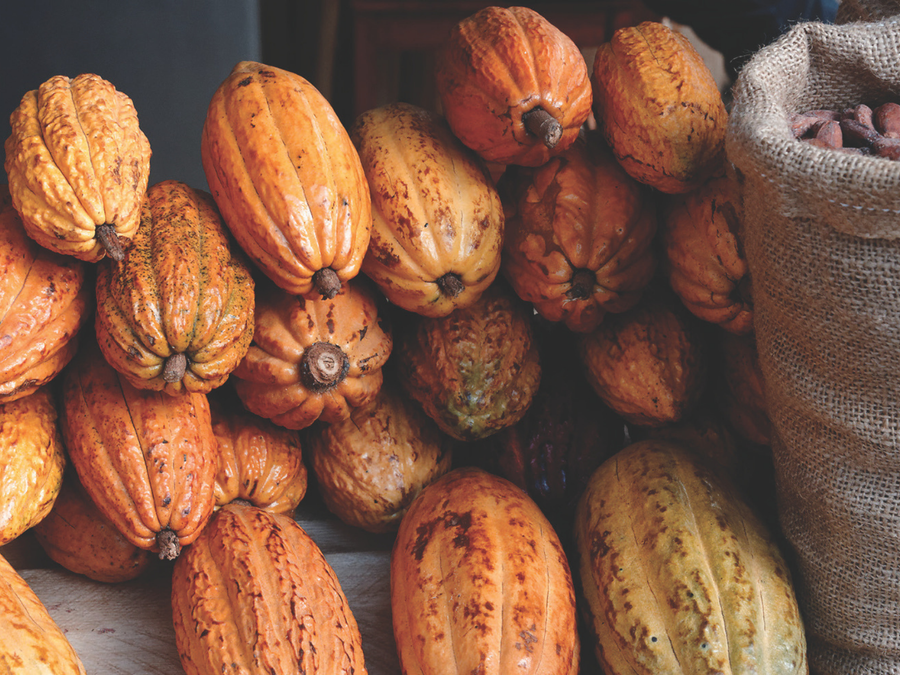
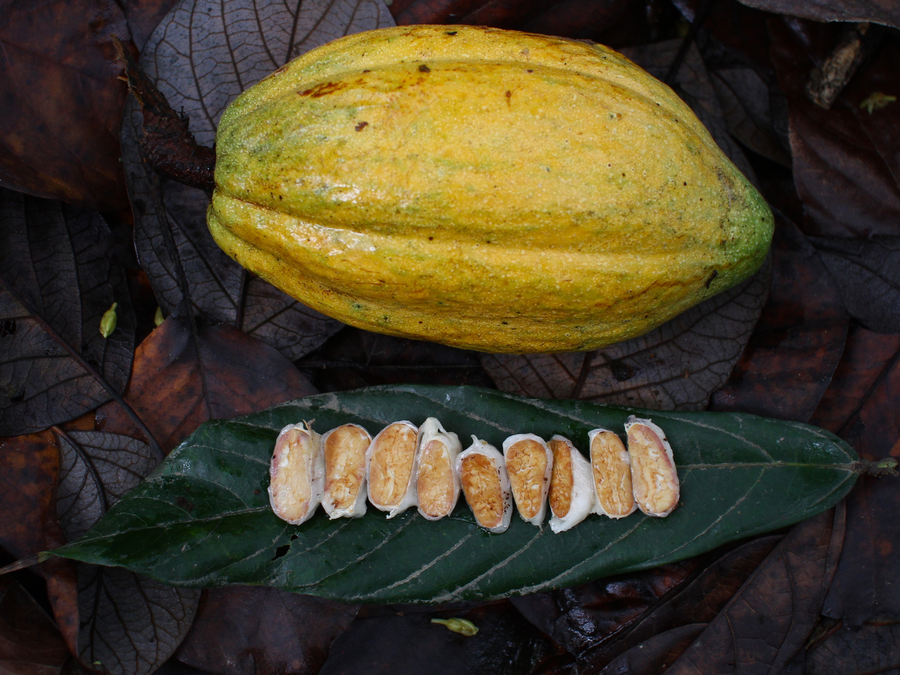
Nacional pod in the Kichwa chakra
Harvest in the chakra, Kallari communitiesNacional pod in the Kichwa chakra
Numbered fermentation boxes, collection centre
Numbered fermentation boxes, collection centre — Kallari

Post-harvest

Ten boxes numbered by stencil

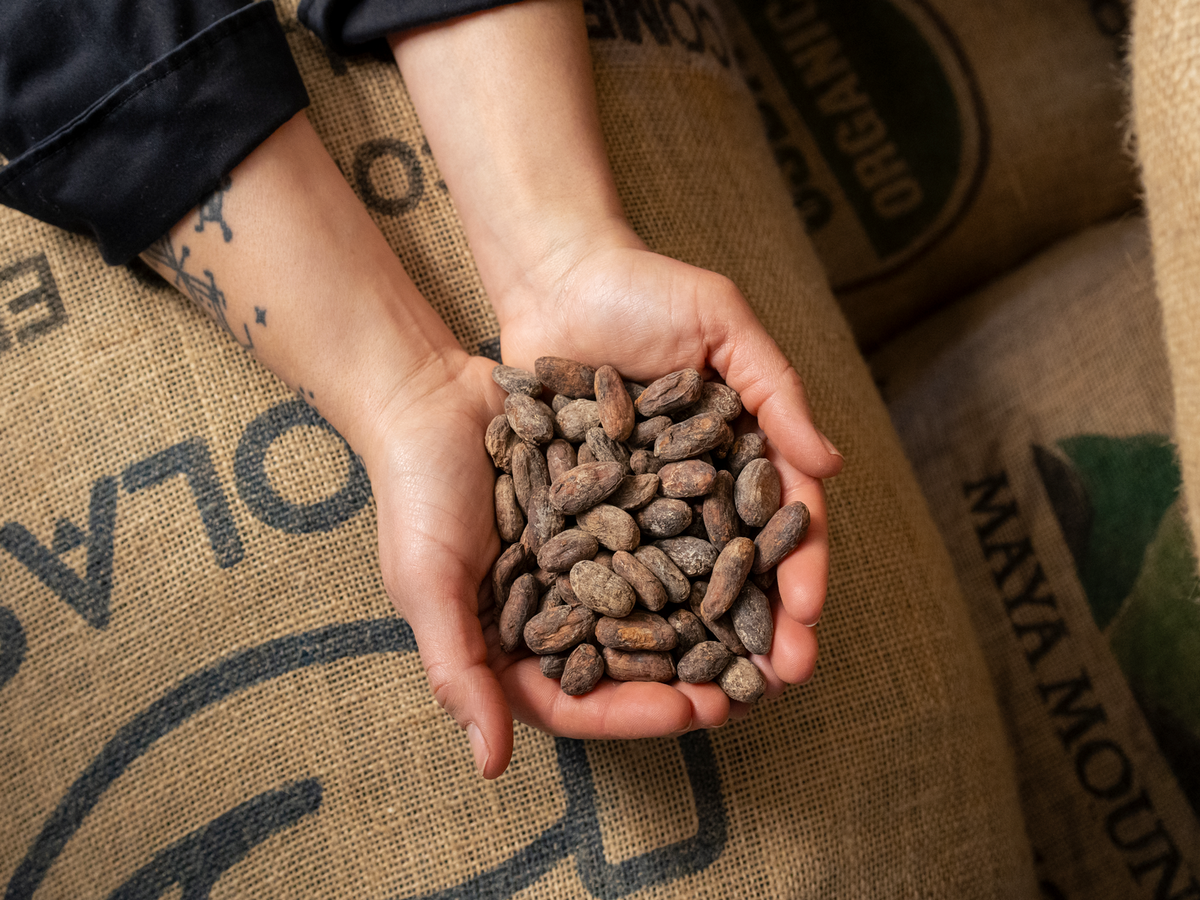
The beans arrive with their pulp at the collection centre. They pass through a cascade of wooden boxes numbered from one to ten, struck with the stencil of Kallari's rising sun, and ferment there for five days. Drying lasts five days too, under a tunnel of clear tarp, on wooden tables: a man pushes the beans with a long-handled plane to turn them.

Then the check is done with the blade. Bean by bean, set one by one in the cells of a guillotine, cut, and one looks at the colour of the kernel. Sorting is by hand. The cooperative holds the whole post-harvest in its own facilities: it grows, it ferments, it dries. The cacao does not leave here to be made elsewhere.

Drying under a solar tunnel, cacao beans turned by hand
Drying under a solar tunnel, cacao beans turned by hand — Kallari
Closing the sacks before the lot leaves
Closing the sacks before the lot leaves — Kallari
Fermentation
In boxes, at the cooperative
Drying
Solar drying on raised beds
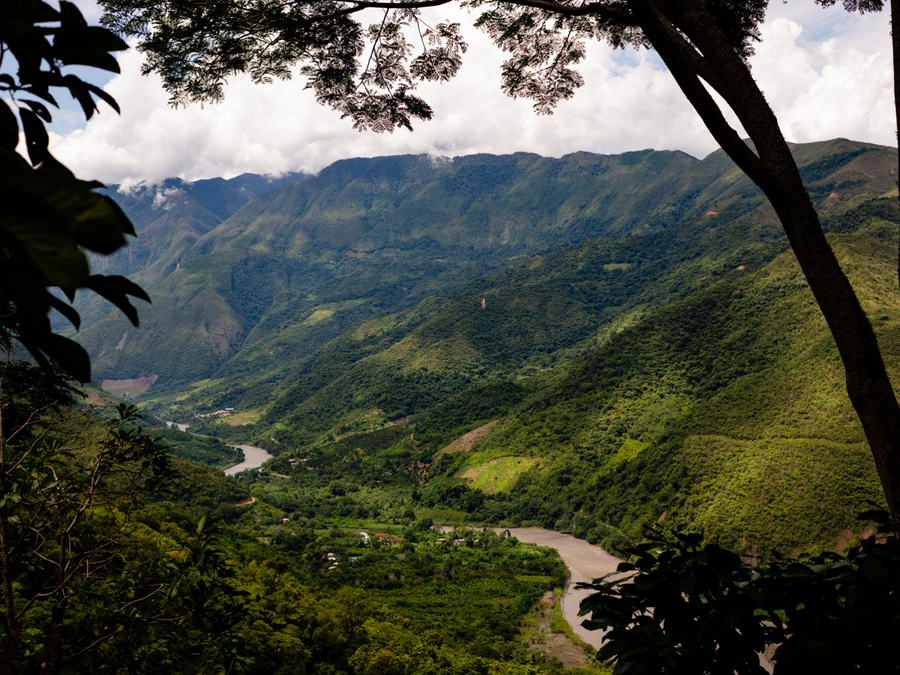
Kichwa chakra of Napo, agroforestry and Nacional cacao
Kichwa chakra, Napo

Genetics

Nacional, and the 70% that replaced it

Nacional is Ecuador's fine flavour cacao, and it has a place of birth. Prospecting the Ecuadorian upper Amazon, geneticists from CIRAD and INIAP found, among forty-nine trees recorded around Palanda, forty-four that very strongly resemble the Nacional references: that is where the variety was domesticated. Since then, what is called Nacional in the plantations is a mix between this ancestral Nacional and introduced Trinitario, and the clone CCN-51, which has no aroma, accounts for 70% of the country's production.

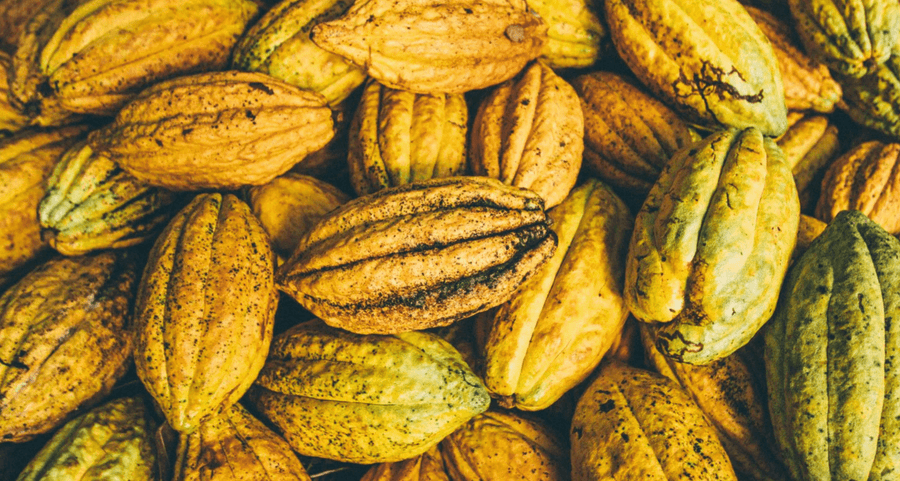
In the chakras of Napo, the trees still come from seed. That is why the pods gathered on the ground are never twice the same colour: orange, yellow, green, brown-violet, red. And that is why they grow on the trunk itself, under the moss. Sixty-six beans to a hundred grams. In the cup, white flower, passion fruit and hazelnut.