





EXPLORER LES CHOCOLATS NOIRS
- BELIZE Maya Mountain
- ECUADOR Nacional Kallari
- ECUADOR Nacional KallariRAW
- GUATEMALA Acopio
- GUATEMALA Lachuá
- UGANDA Semuliki
Voir tous les chocolats noirs
Semuliki
valley at the foot of the Rwenzori

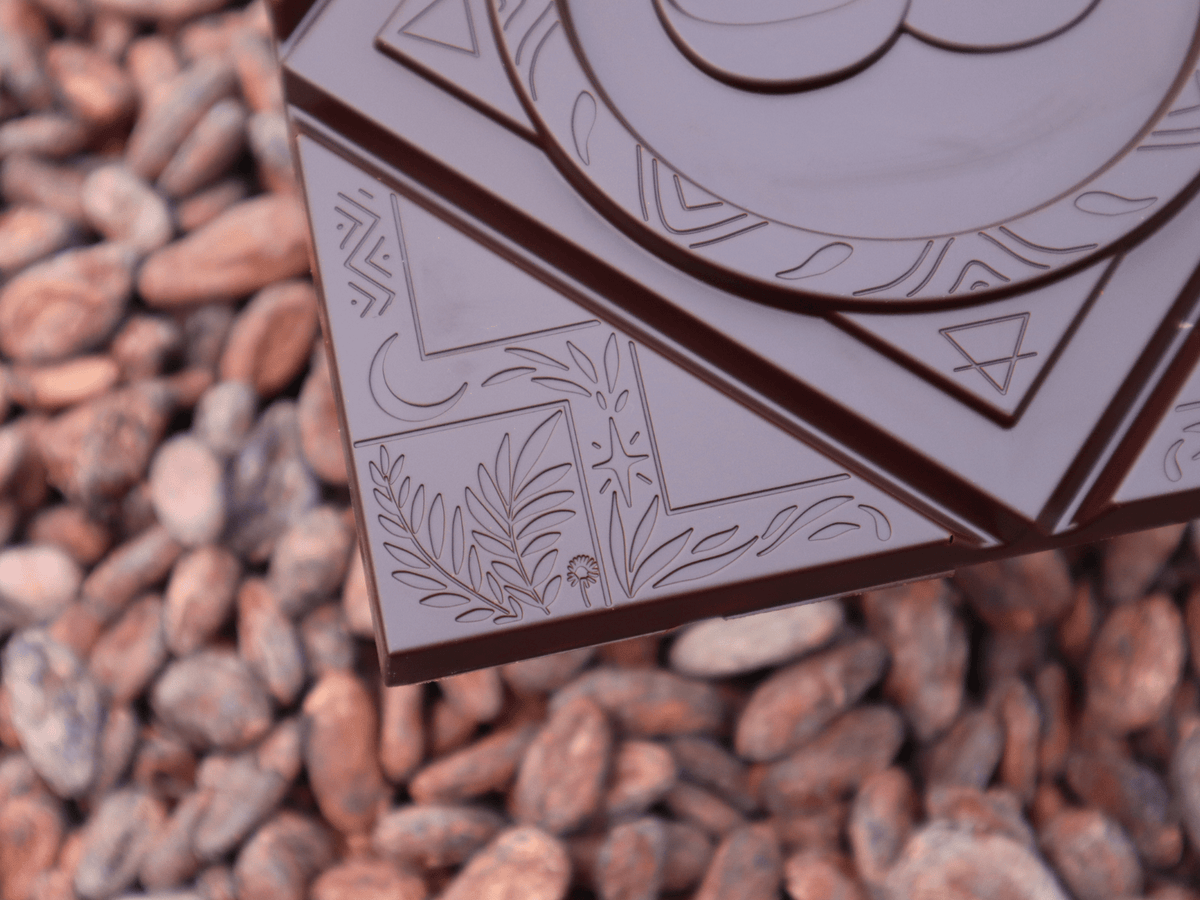
Notes de dégustation
Fruity · Soft & Round
En stock · Expédition sous 24 à 72h
-
Envoi lundi et jeudi
-
Broyage sur pierre
Ingrédients & valeurs nutritionnelles
Cocoa mass, cane sugar, cocoa butter. Cocoa solids: 72% minimum.
| Énergie | 2433 kJ / 587 kcal |
|---|---|
| Matières grasses | 45,0 g |
| dont acides gras saturés | 27,4 g |
| Glucides | 41,8 g |
| dont sucres | 19,9 g |
| Fibres alimentaires | 11,2 g |
| Protéines | 9,3 g |
| Sel | < 0,013 g |
May contain traces of nuts. Made in a workshop that also handles other nuts.
The terroir
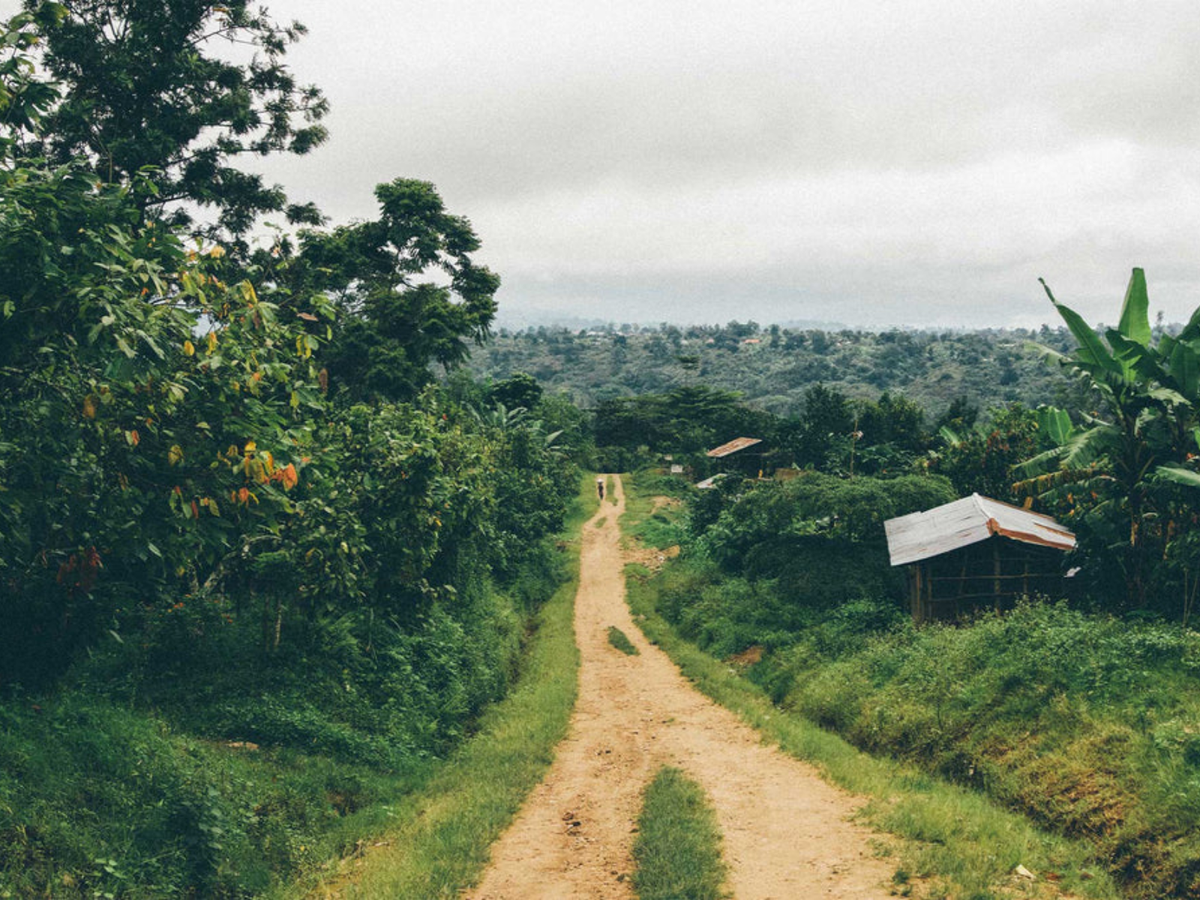
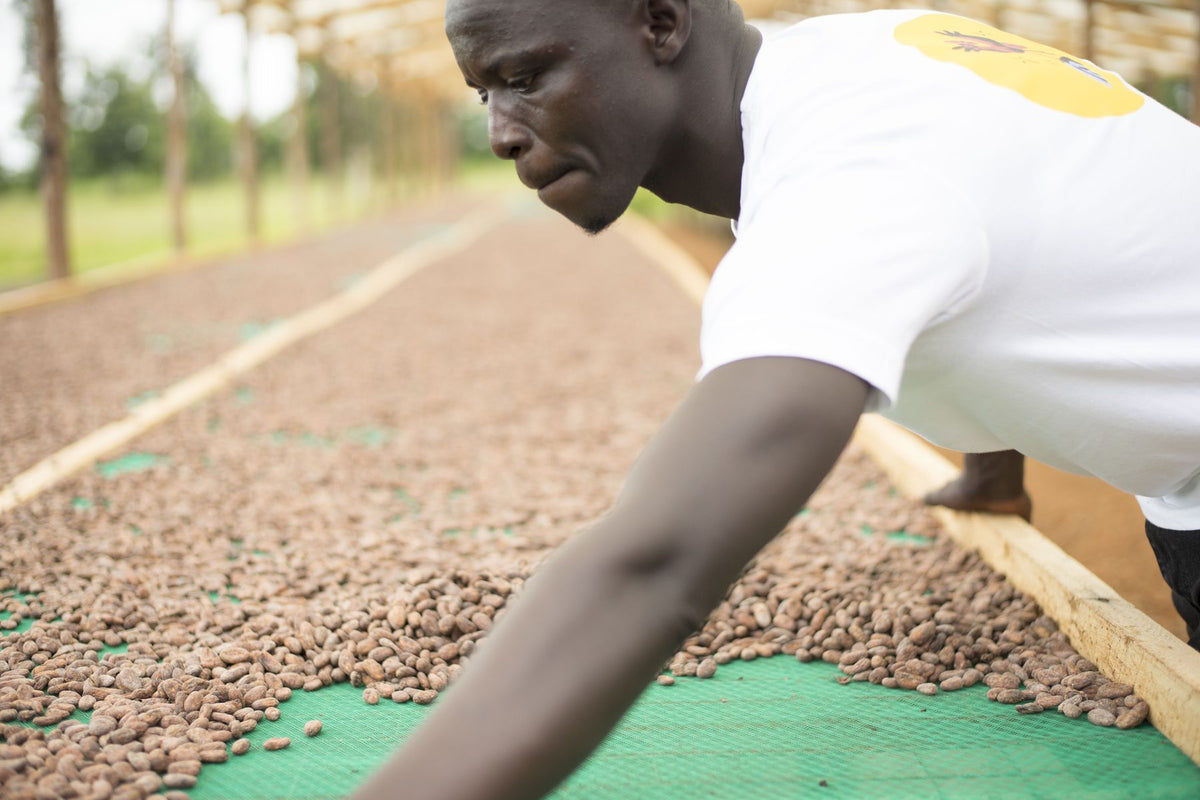
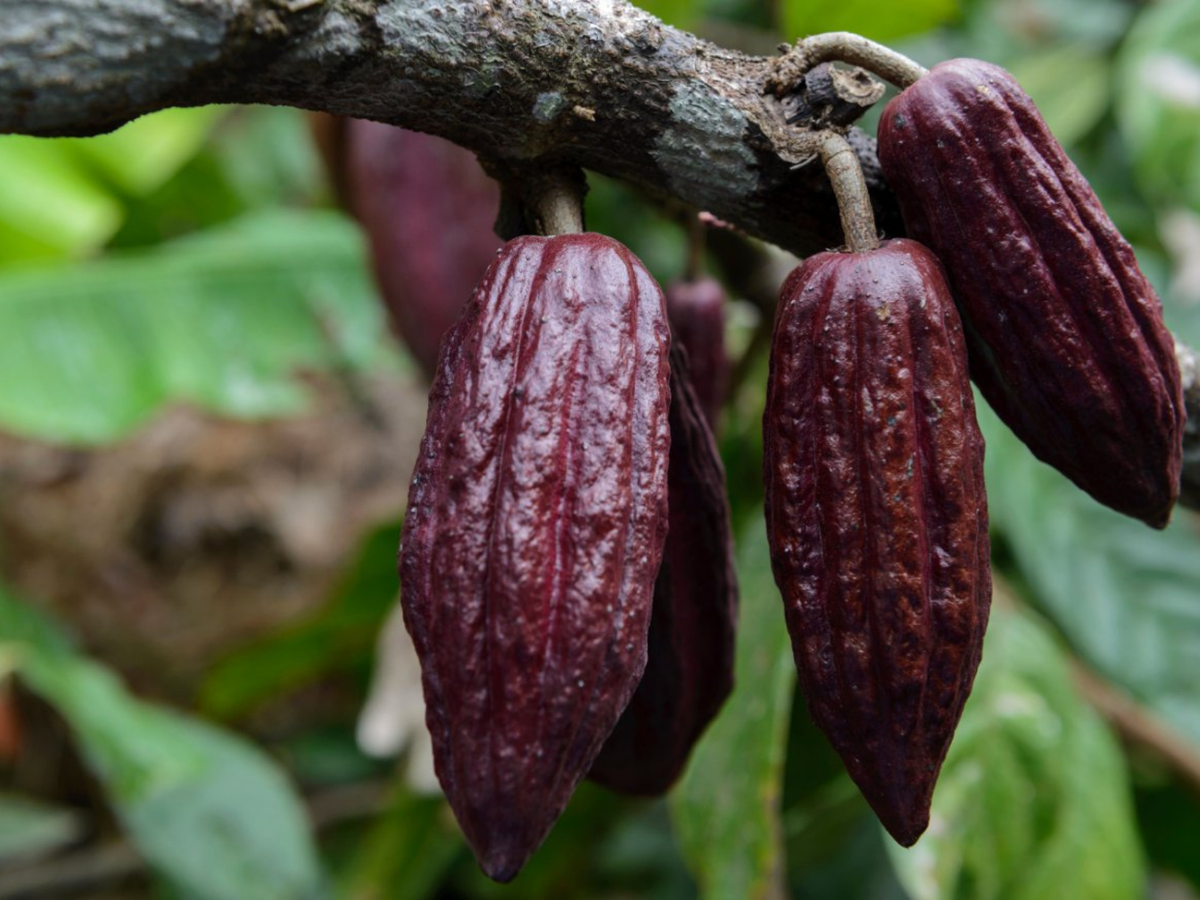
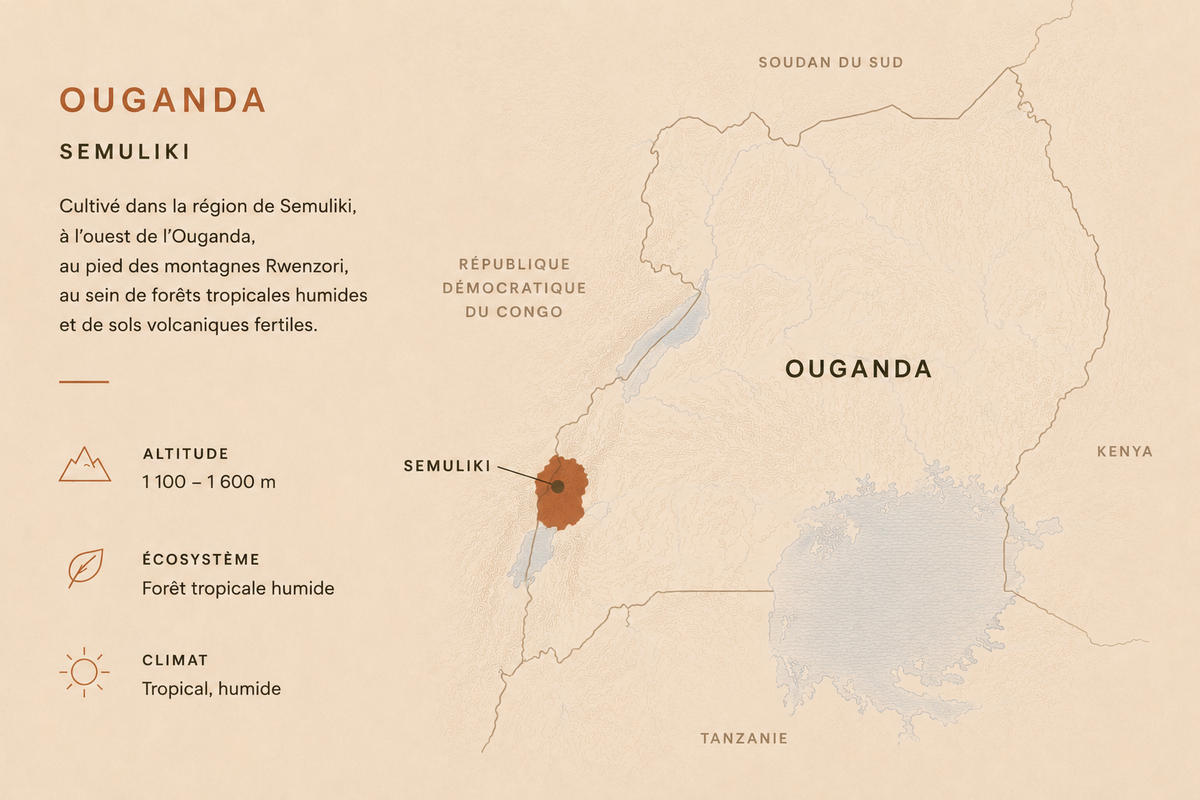
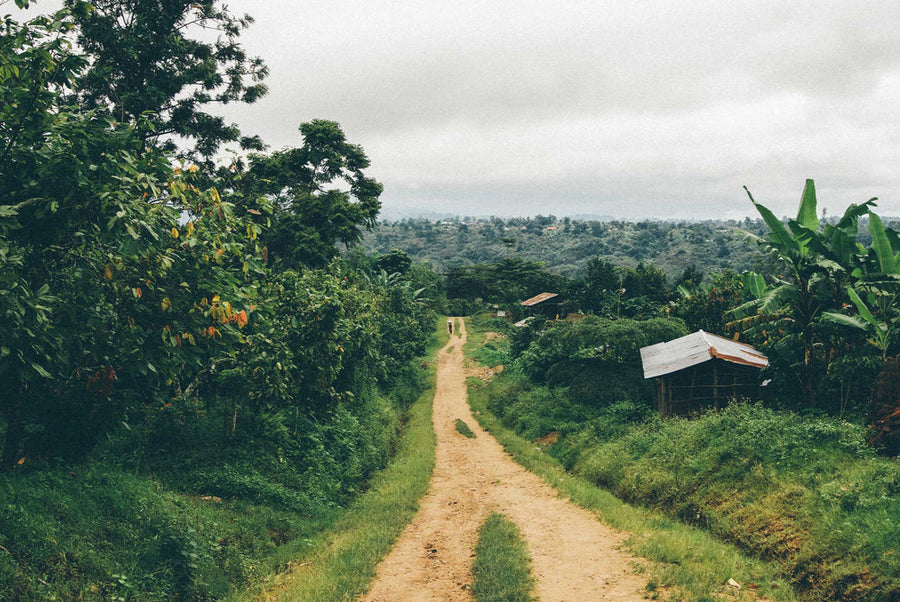
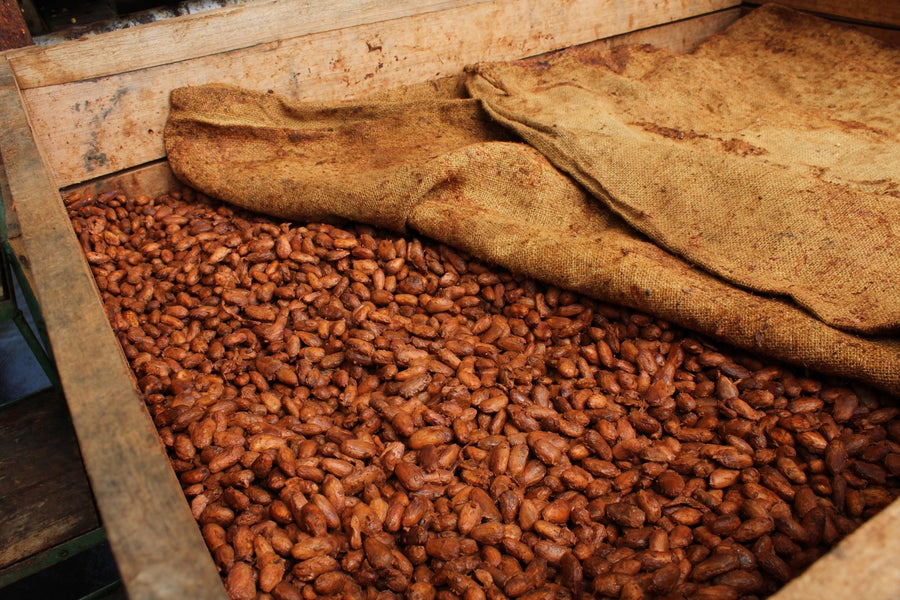
In Bundibugyo, at the foot of the Rwenzori, families grow the cacao of the Semuliki valley. The beans ferment in Bumate, then dry in the sun on raised beds.
Country
Uganda
Harvest
October to February, mid-crop June to August
Altitude
700–1,200 m
Fermentation
6–7 days, Bumate fermentary
Drying
Solar drying on raised beds
Roasting
Roasted & Raw
Uganda · Semuliki · Dark chocolate1 bar
Sale price€8,50
Uganda · Semuliki · Dark chocolate
UgandaSemuliki
Semuliki valley, at the foot of the Rwenzori
Profil aromatiqueFruity · Soft & Round
Rwenzori · Semuliki
Semuliki
Le mont que Ptolémée a placé sans le voir.
The living
Where the Ituri forest stops

The gesture
Nobody ferments at home

D’autres expressions de notre cacao...
 100% Cacao
Fruity · Soft & Round
From €9,50
Trinitario · Forastero
 100% Cacao
Nutty / Praline · Fruity
From €20,00
Trinitario · Nacional

 100% Cacao
Nutty / Praline · Floral
From €9,50
Trinitario · Forastero
 100% Cacao
Fruity · Sweet spice · Caramelised / Honey
From €9,50
Trinitario · Acriolado