Skip to content

Cart

Your cart is empty

Continue shopping
EXPLORER LES ORIGINES
Voir toutes les origines

Chuncho

Lightly roasted

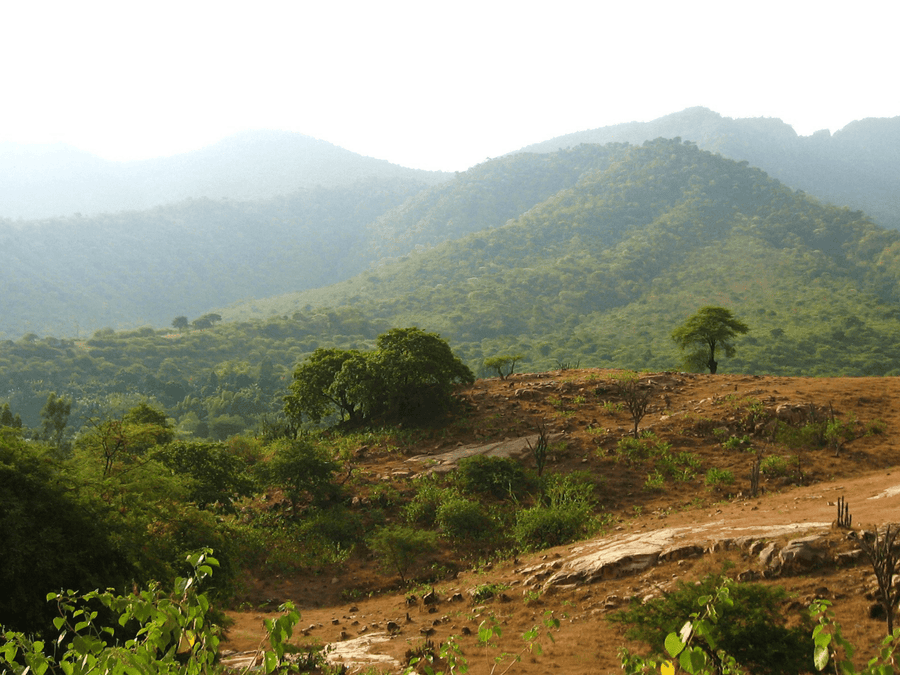
Urubamba valley, between the Andes & the Amazon

Chuncho
Join us on Monday 26 October. Voices of Cacao Where the ritual begins Songs, gestures, films and readings from the lands where cacao grows. Get my access (opens in a new tab) La Convención 2 to listen · 7 to watch · 3 to read

Tasting notes

Nutty / Praline · Fruity

Texture

Silky & woody

Cultivar

Chuncho

Recommended dose

20–30 g per ritual

  • Everyday 10–20 g
  • Creative 20–30 g
  • Ceremonial 30–40 g
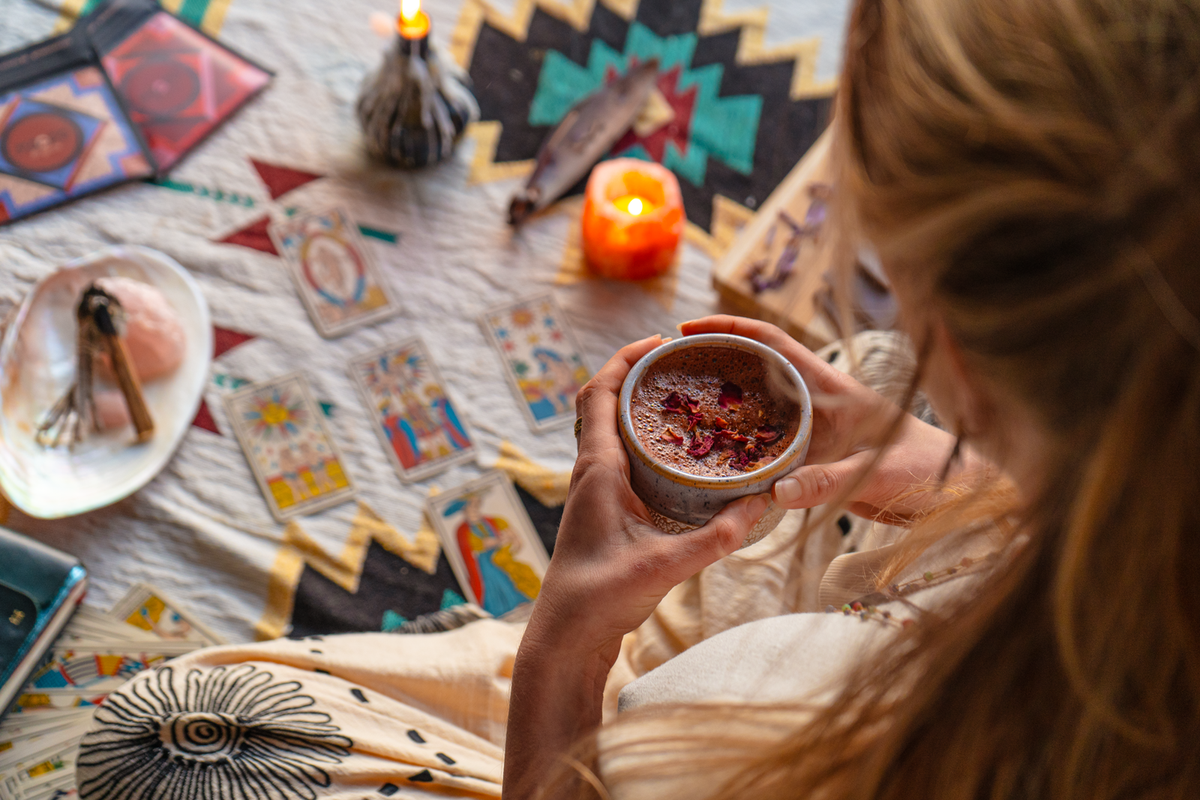
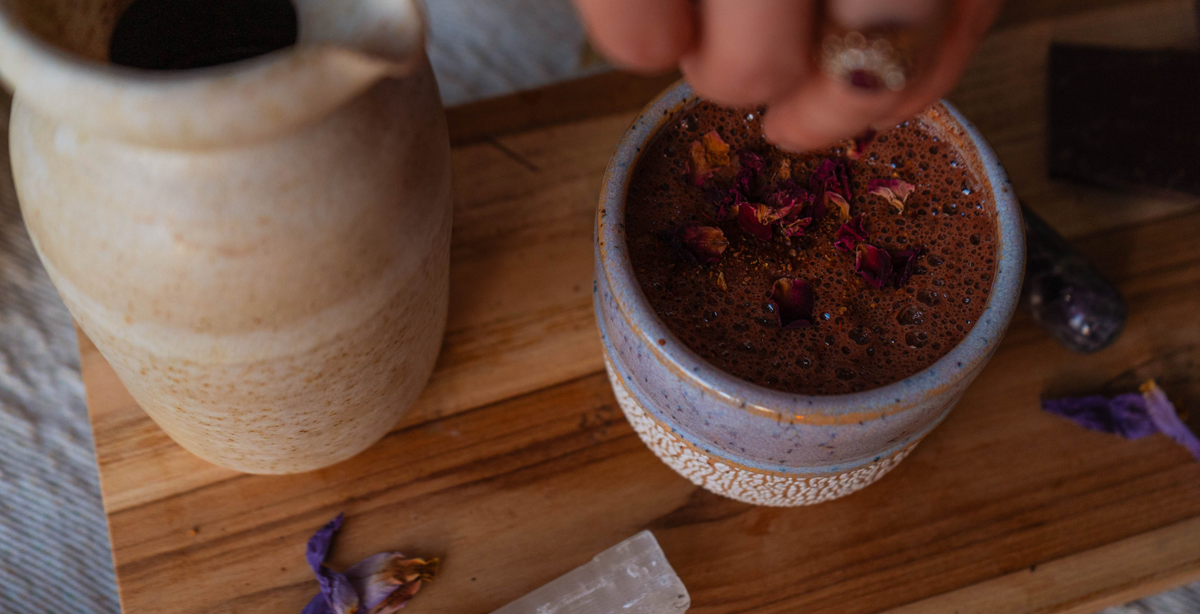
Making a drink
  1. For a pure cacao drink, allow 20–30 g per cup, or 30–40 g for a denser texture. With a chocolate bar, adjust the amount to your taste: it already contains sugar.
  2. Grate or break up the cacao or chocolate.
  3. Heat the water, or a plant-based drink, without bringing it to the boil: 60 to 65 °C at most.
  4. Pour over the pieces, let them melt, then beat with a whisk or a molinillo until you get an even foam.
Sale price€9,50
Size: 60 gr

In stock · Ships within 24 to 72 hours

  • Shipped Monday and Thursday

  • Stone ground

Ingrédients & valeurs nutritionnelles

Cocoa mass, cocoa butter. Cocoa solids: 100%.

Valeurs moyennes pour 100 g
Énergie 2479 kJ / 600 kcal
Matières grasses 50,3 g
dont acides gras saturés 30,1 g
Glucides 30,6 g
dont sucres 0,3 g
Fibres alimentaires 14,7 g
Protéines 13,5 g
Sel < 0,013 g

May contain traces of nuts. Made in a workshop that also handles other nuts.

The terroir

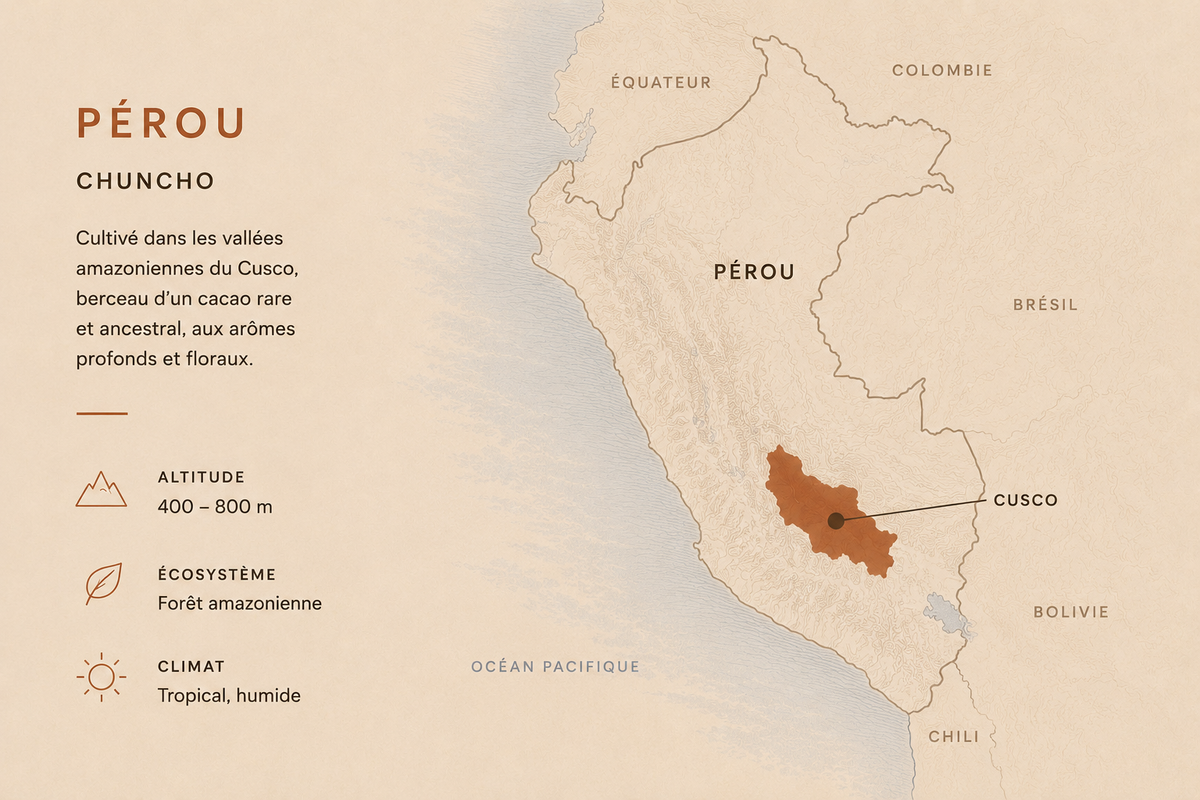
In the province of La Convención (Cusco region), cacao grows in the Urubamba valley between 400 and 1,200 m. Warm days, cool Andean nights and silty-sandy soils: the Machiguenga grow Chuncho there, a native variety low in tannins.
Country Peru
Harvest March to July
Altitude 400–1,200 m
Fermentation 3–5 days in the box
Drying Solar drying (patios & raised beds)
Roasting Lightly roasted
Carte du terroir
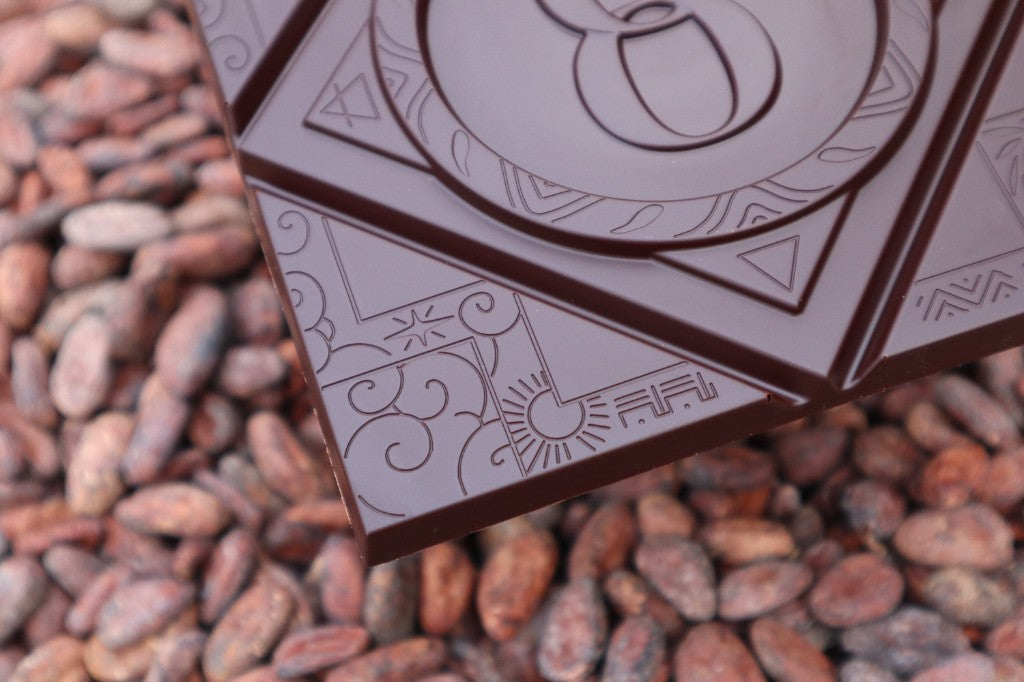
Tablette MOOJO #Taille_60 gr
Peru · Chuncho · Ceremonial cacao60 gr Sale price€9,50
La vallée de l'Urubamba vue d'en haut, le fleuve au fond, Cusco

Original Beans

Cusco · La Convención

Chuncho

L'Urubamba, entre 400 et 1 200 m. Le cacao tient rarement à cette hauteur. Les Matsigenka cultivent l'arbre dont le nom commercial est venu des Andes.

Territory

The sacred river goes down looking for the Amazon

The Willkamayu, ‘sacred river’ in Quechua, rises on the slopes of Cunurana, in the Puno region. After 724 km, it meets the Tambo and becomes the Ucayali, one of the headwaters of the Amazon. Upstream it is called the Vilcanota; when it enters La Convención, it becomes the Urubamba. It is on its slopes, between 400 and 1,200 m, in a sandy silt quickly washed away by the rain, that Chuncho grows. Further down, the river narrows into the Pongo de Mainique, a gorge 3,680 m long where the water sometimes has barely 37 m to pass through. Pongo means door.

Depuis 2021, la montagne d'Urusayhua et le haut bassin du Chuyapi sont une aire de conservation régionale. 80 191 hectares, sur Echarati, Vilcabamba et Santa Ana : les yungas et la puna humide des Andes centrales. Le Chuncho pousse plus bas.

Ce film n'est pas le nôtre. Original Beans l'a tourné à Cusco en 2020.

Original Beans, Cusco, 2020.

Genetics

A native lineage, never quite the same

In 2017, a study carried out across La Convención confirmed what the valley already knew: Chuncho is native to southern Peru, but it is not uniform. Around 60% of the trees observed belong to pure Chuncho lineages; the others bear the traces of the crosses and movements that have passed through the valley. This diversity can be read in the beans: small, irregular, never quite alike. Around the cacao trees grow arabica coffee, black maize, orange trees, achiote, noni, pacay, chirimoya and chayote. Today the families look after these trees, which the abandonment of farms had almost wiped out.

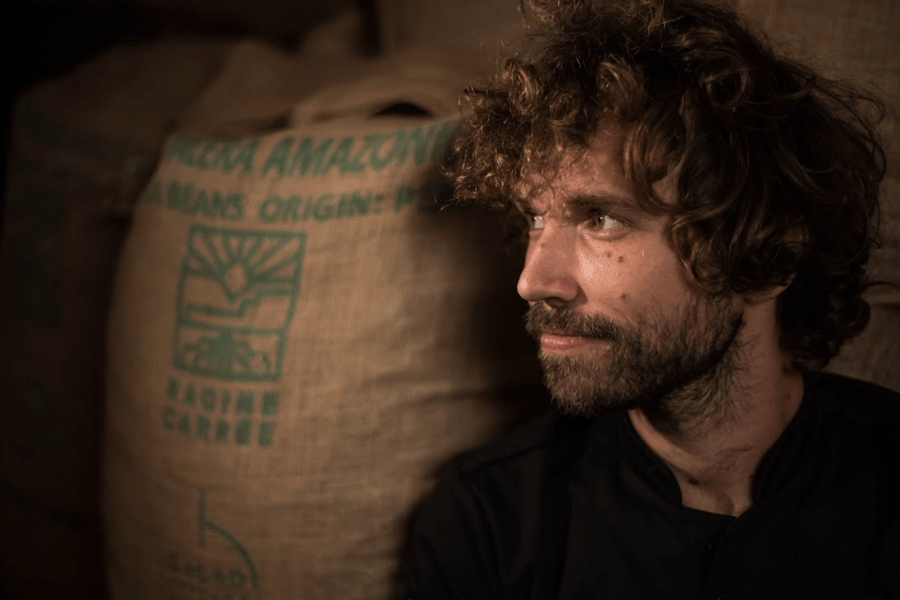
Nos fèves sont sourcées par Original Beans.

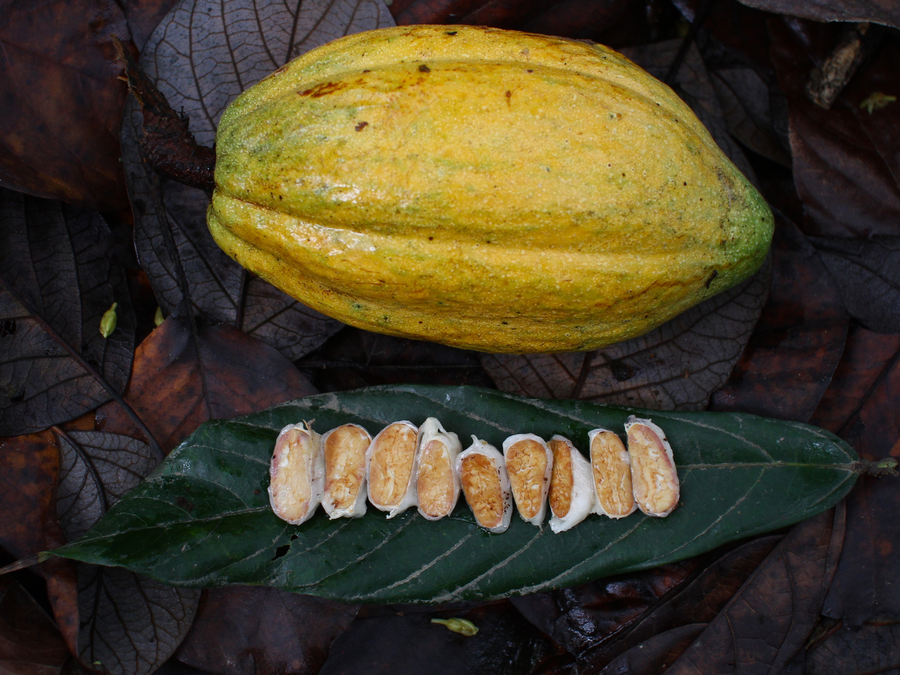
Cabosses de cacao de formes et de couleurs différentes, à côté d'un sac de jute
Photo : Original Beans

Peoples

The word on the label comes from the other slope

The Matsigenka, also known as Machiguenga, live along the Urubamba and the Madre de Dios, among other places. Their language belongs to the Arawak family. Matsigenka means ‘human beings’.

Chuncho is a word from the Andes used for the peoples of the Peruvian Amazon, sometimes with contempt. It became attached to the cacao. We keep the name of the origin and also name the communities who grow it.

Deux femmes ouvrent des cabosses de cacao à l'ombre, vallée d'Urubamba
Photo : Original Beans

The gesture

The right moment shows in the bean

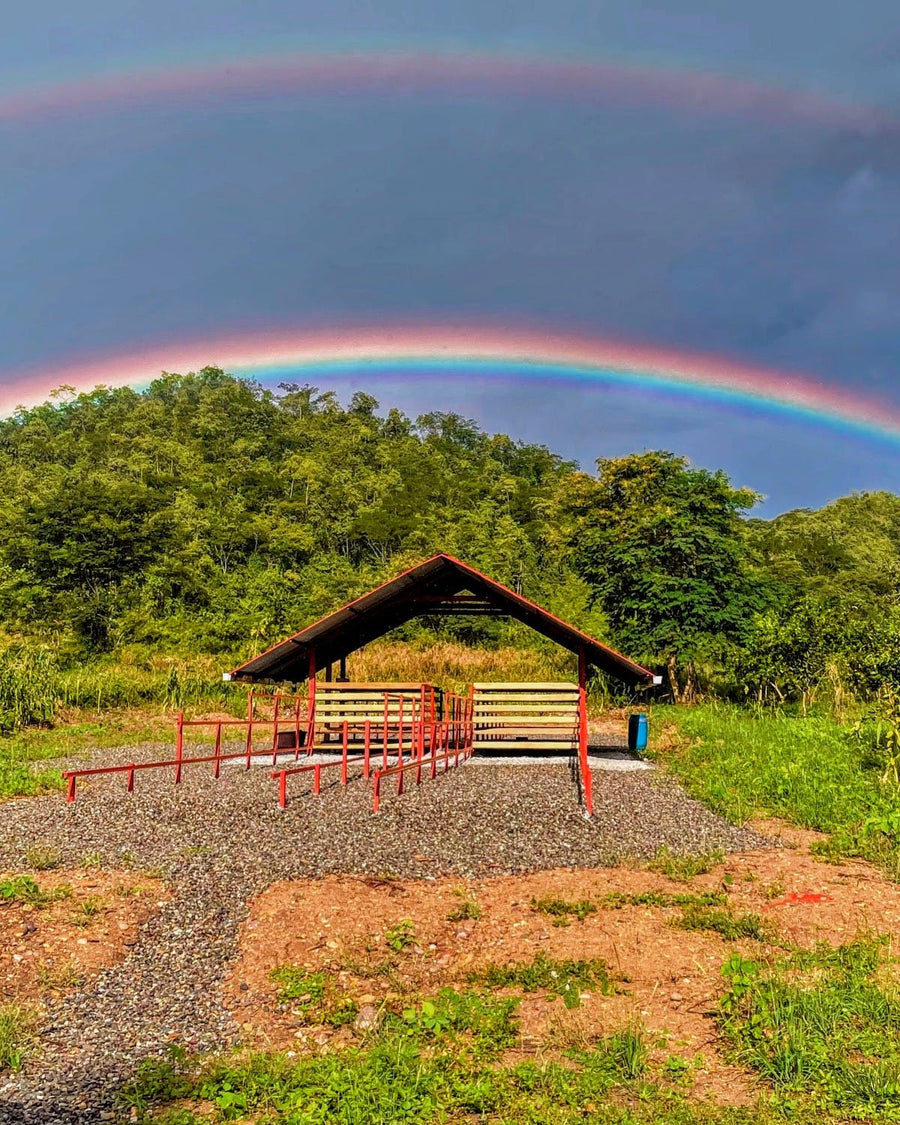
On arrival, the fresh cacao is weighed, drained, then shut into wooden boxes for 36 to 48 h. Beneath the pulp, the yeasts begin their work, and the heat rises without being forced. The first turning brings in air; bacteria take over, and the mass reaches 40 to 52 °C. At the third box, a handful of beans is cut open, and the colour decides: when 7 beans out of 10 are properly fermented, fermentation stops. No more. After about 5 days comes sun-drying, on patios and raised beds, then sorting by hand. No one dictates to the cacao how long it takes: you watch, you turn, you open, and you know when to stop.

Mains dans une caisse de fèves en fermentation, Chuncho
Photo : Original Beans