Skip to content

Cart

Your cart is empty

Continue shopping
EXPLORER LES ORIGINES
Voir toutes les origines

Chinim Wawas

Lightly roasted

Imaza, Bagua, native Awajún communities

Chinim Wawas
Join us on Monday 26 October. Voices of Cacao Where the ritual begins Songs, gestures, films and readings from the lands where cacao grows. Get my access (opens in a new tab) the upper Marañón 3 to listen · 11 to watch · 5 to read

Tasting notes

Fruity · Floral

Texture

Dense, stone-ground

Cultivar

Criollo

Recommended dose

20–30 g per ritual

  • Everyday 10–20 g
  • Creative 20–30 g
  • Ceremonial 30–40 g
Making a drink
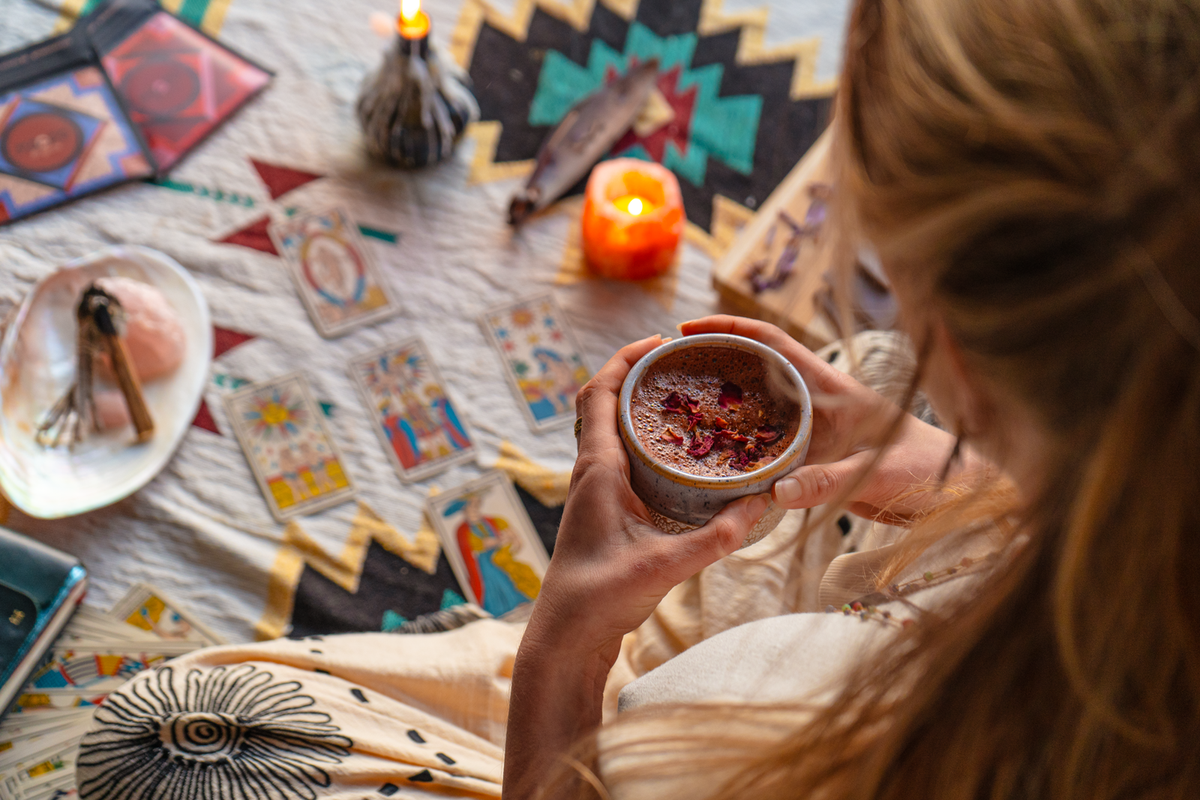
  1. For a pure cacao drink, allow 20–30 g per cup, or 30–40 g for a denser texture. With a chocolate bar, adjust the amount to your taste: it already contains sugar.
  2. Grate or break up the cacao or chocolate.
  3. Heat the water, or a plant-based drink, without bringing it to the boil: 60 to 65 °C at most.
  4. Pour over the pieces, let them melt, then beat with a whisk or a molinillo until you get an even foam.
Sold out
Sale price€9,50
Size: 60 gr

New origin

First harvest expected on 22 October.

  • Shipped Monday and Thursday

  • Stone ground

Ingrédients & valeurs nutritionnelles

Cocoa mass, cocoa butter. Cocoa solids: 100%.

Valeurs moyennes pour 100 g
Énergie 2479 kJ / 600 kcal
Matières grasses 50,3 g
dont acides gras saturés 30,1 g
Glucides 30,6 g
dont sucres 0,3 g
Fibres alimentaires 14,7 g
Protéines 13,5 g
Sel < 0,013 g

May contain traces of nuts. Made in a workshop that also handles other nuts.

The terroir

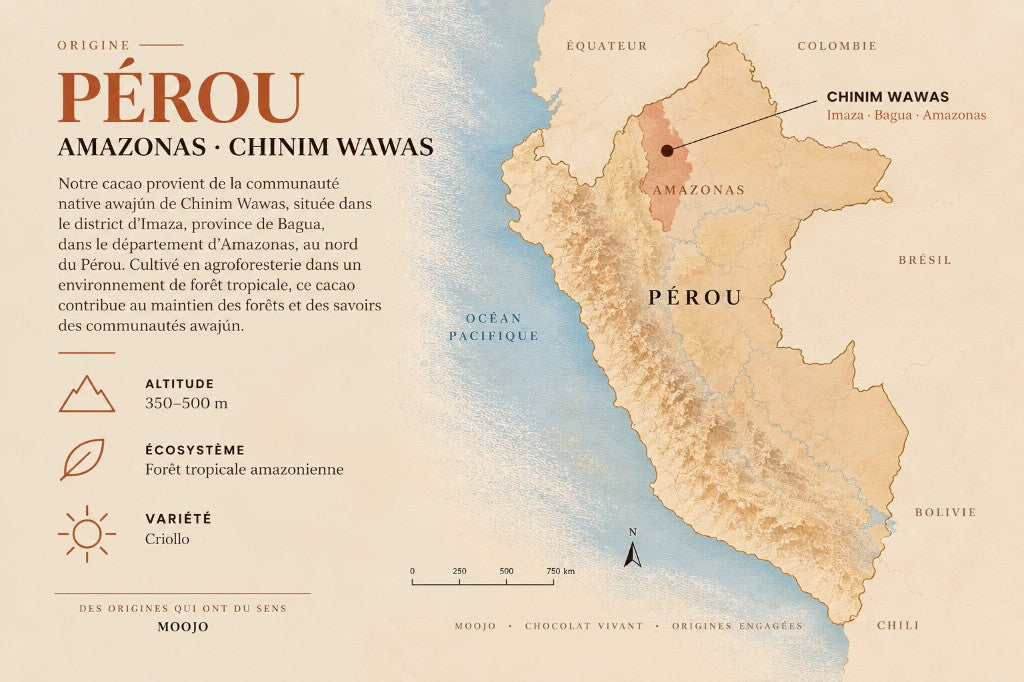
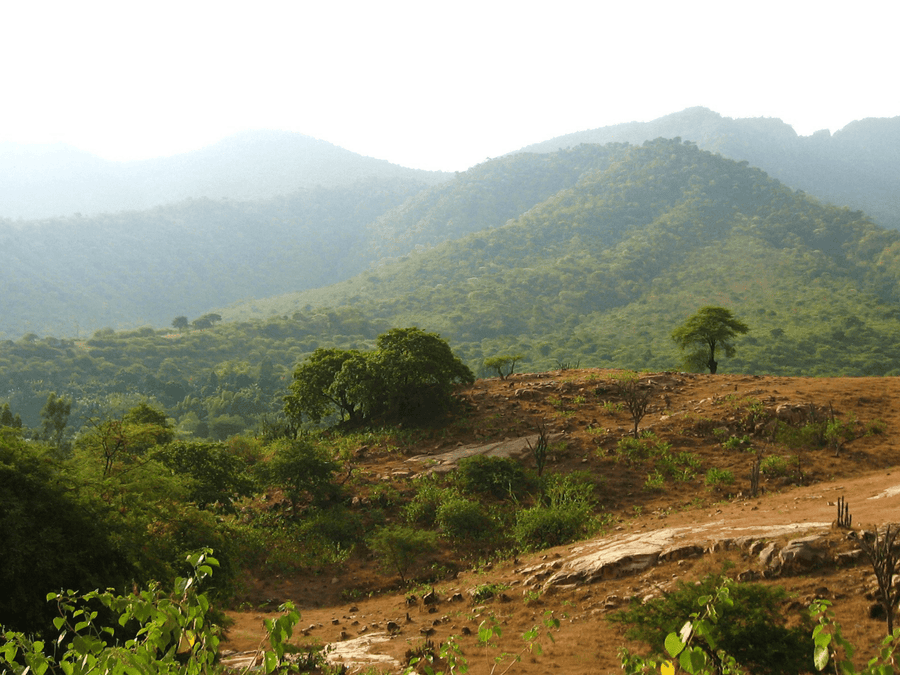
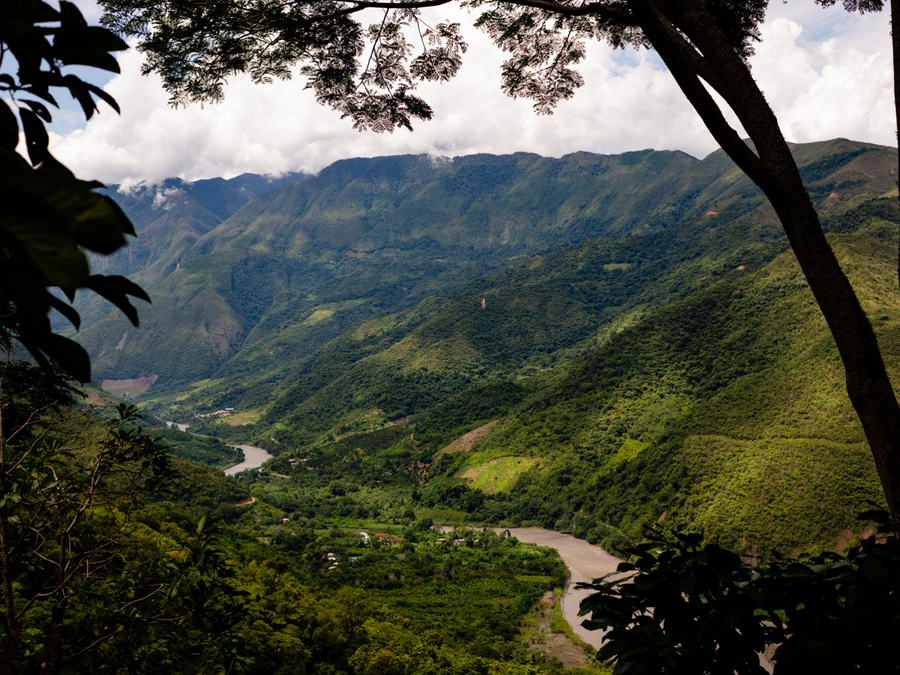
Imaza, on the banks of the Marañón, at around 500 m. The Awajún women of Chinim and Wawas tend isolated plots there, away from the accessible areas where industrial clones dominate. Their cacao is fruity and floral, with citrus and plum.
Country Peru
Harvest May and June
Altitude about 500 m
Fermentation 8 days
Drying 15 days on raised beds
Roasting Lightly roasted
Carte du terroir
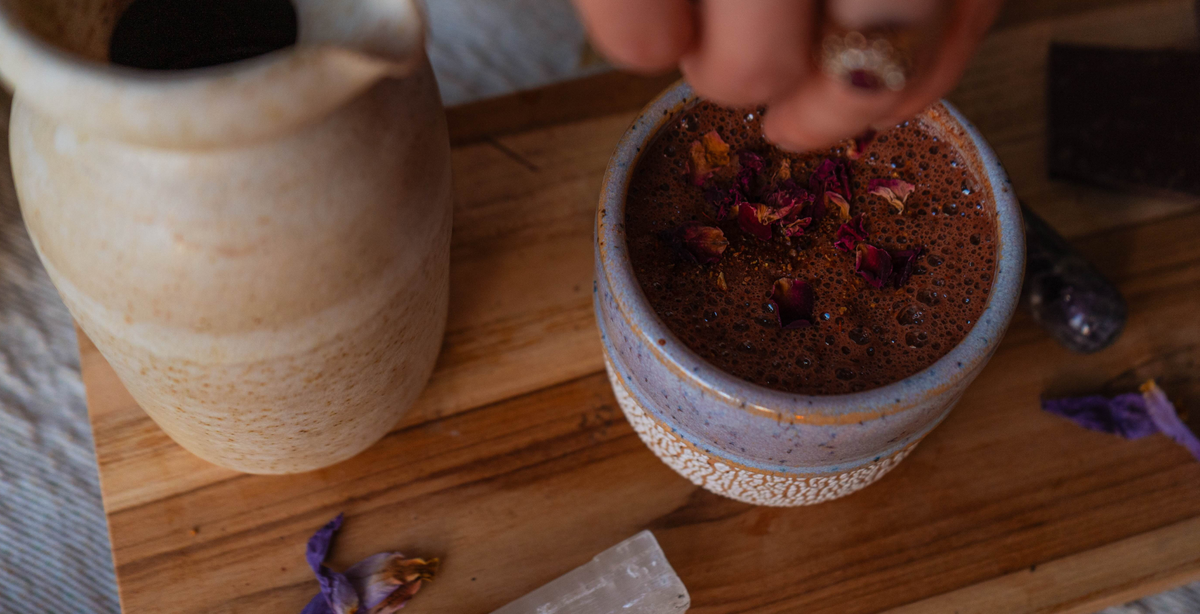
Cérémonie de cacao
Peru · Chinim Wawas · Ceremonial cacao
Femmes awajún au bord de la rivière, Amazonas

Florence Goupil / FIMI

Amazonas · Imaza

Chinim Wawas

Imaza, au bord du Marañón, vers 500 m. Les femmes awajún de Chinim et de Wawas y tiennent des parcelles enclavées.

Territory

500 metres up the upper Marañón, where the lorry cannot go

In Imaza, in the province of Bagua, the plots of Chinim and Wawas sit at around five hundred metres, far from the tracks. The Marañón runs through this part of Amazonas. Nahù puts it plainly: the industrial clones, CCN 51, remain concentrated in the more accessible areas. Here, they have not arrived. And that is no small thing, in this corner of the world: the oldest traces of cacao use in the Americas are not in Mesoamerica, they are in the upper Amazon, at Santa Ana-La Florida, in south-eastern Ecuador, some five thousand three hundred years ago. Starch, theobromine and ancient DNA, on potsherds.

Rivière peu profonde à eau claire, lit de galets, collines boisées, Chinim et Wawas
Photo : Nahù

Genetics

White-bean criollo, on three to five species

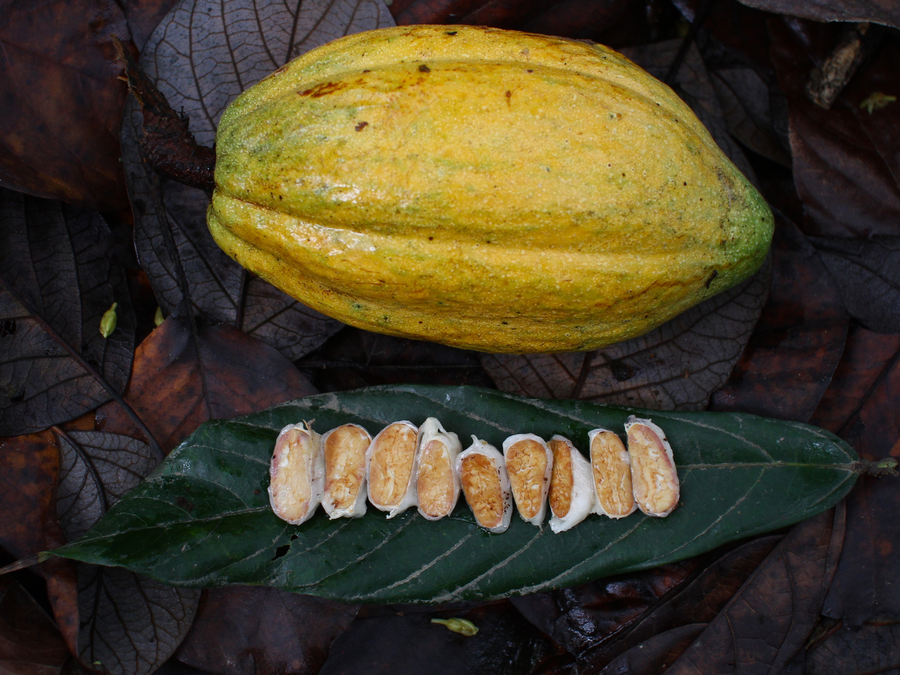
The cacao is a Criollo. Nahù places it among the white-bean cacaos, known for their aromatic potential. In the cup: a fruity acidity, nuts leaning towards hazelnut, white flowers, a burst of citrus and plum. Nahù describes the plot as it is: three to five tree species, more than half of them exotic, a single layer. It is not a forest, it is an orchard. What is rare here is not the shade, it is the tree.

Nos fèves sont sourcées par Nahù.

Fleurs de cacaoyer sur le bois, pétales jaune pâle, Chinim et Wawas
Photo : Nahù

Peoples

The garden is called aja, and it belongs to the women

Among the Awajún, the garden is called aja. The women are responsible for it, just as they carry the work of pottery. In their stories, Nugkui, the spirit of the earth, taught them to make plants grow; songs accompany each task, from preparing the garden to the harvest.

The patterns on the pots come from plants, animals, mountains and stars. In Chinim and Wawas, the women also tend the cacao plots: the same hand for the fruit, the cassava and the clay.

Ce film n'est pas le nôtre. La Direction du patrimoine immatériel du ministère de la Culture du Pérou l'a consacré à la poterie awajún, inscrite en 2021. Les dukúg, les femmes âgées, transmettent le geste aux autres femmes de la famille.

Dirección de Patrimonio Inmaterial, Ministerio de Cultura del Perú.

Post-harvest

Eight days of fermentation, fifteen days of drying

In May and June, the pods are harvested by hand. The fresh cacao goes to the Asociación de Productores Agrarios Cacao Nuestro, which gathers the harvests, ferments and dries.

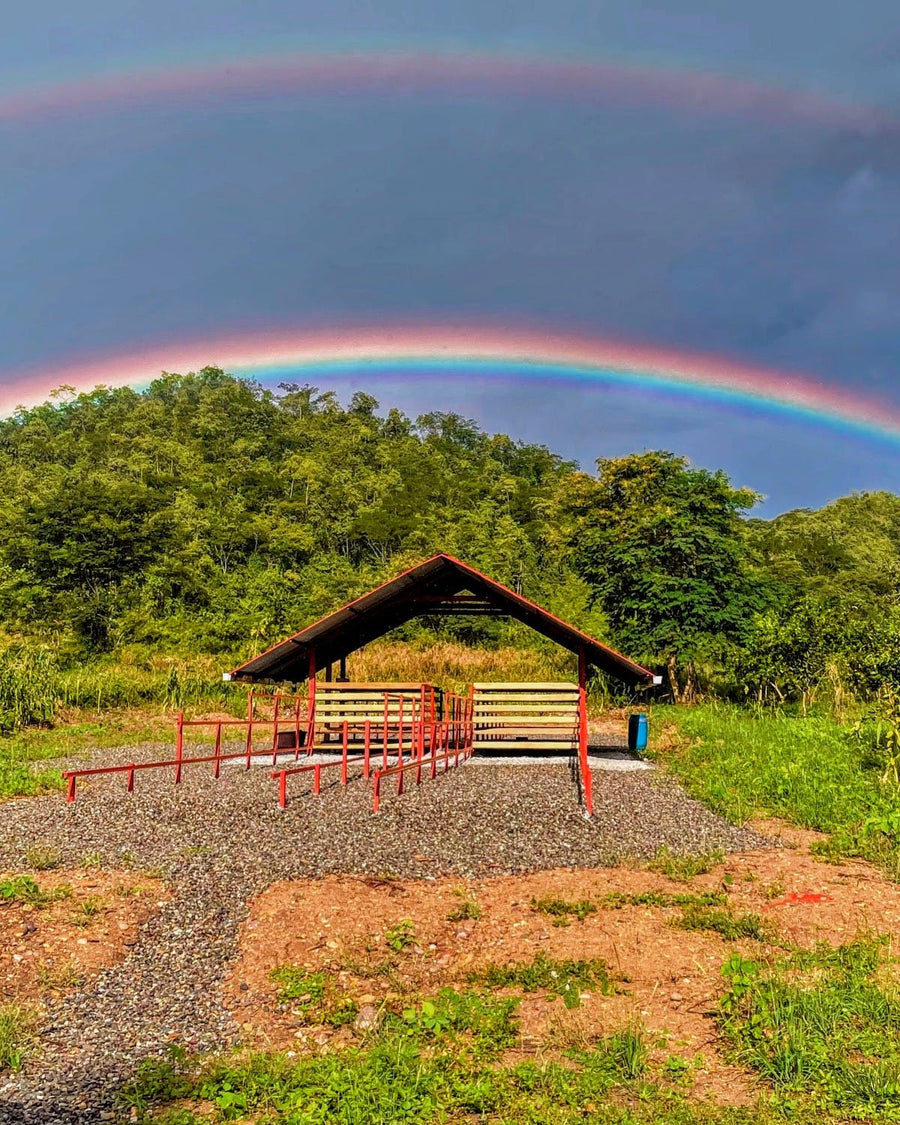
The beans are fermented for eight days, reaching a fermentation rate of eighty-eight per cent, then dried for fifteen days on raised beds.

L'équipe au-dessus des fèves en séchage, sous le toit du hangar
Photo : Nahù

La berge

Chinim et Wawas, au bord du Marañón

Le Marañón passe au pied de la berge. Une cinquantaine de personnes s'y tiennent, adultes et enfants, les deux communautés ensemble. Quelques-uns ont les pieds dans l'eau.

Cent cinquante personnes vivent ici. L'apu Etelvina Awanash dirige la communauté. Les femmes tiennent les parcelles. Un lot par an part d'ici.

Une cinquantaine de personnes sur la berge du Marañón, communautés de Chinim et de Wawas
Photo : Nahù