




EXPLORER LES ORIGINES
- BELIZE Maya Mountain
- BRAZIL Jorge Takahashi
- COLOMBIA La Esperanza
- COLOMBIA Urumo
- COLOMBIA UrumoRAW
- EL SALVADOR Hacienda La Carrera
Voir toutes les origines
- ECUADOR Nacional Kallari
- ECUADOR Nacional KallariRAW
- GUATEMALA Acopio
- GUATEMALA Lachuá
- GUATEMALA Tuq'tuquilal
- INDONESIA Ransiki
- MEXICO Criollo Blanco Yakaw
- MEXICO Revival
- NICARAGUA Nugu
- UGANDA Semuliki
- PERU Alto Miro
- PERU Alto MiroRAW
- PERU Chinim Wawas
- PERU Alto Huayabamba
- PERU Chuncho
- PERU Piura Blanco
- PERU Piura BlancoRAW
- PHILIPPINES Mana
- DOMINICAN REPUBLIC Öko Caribe
- SÃO TOMÉ Amelonado
- SÃO TOMÉ AmelonadoRAW
Jorge Takahashi
Lightly roasted
Pará · Fazenda Takahashi, Amazonian agroforestry


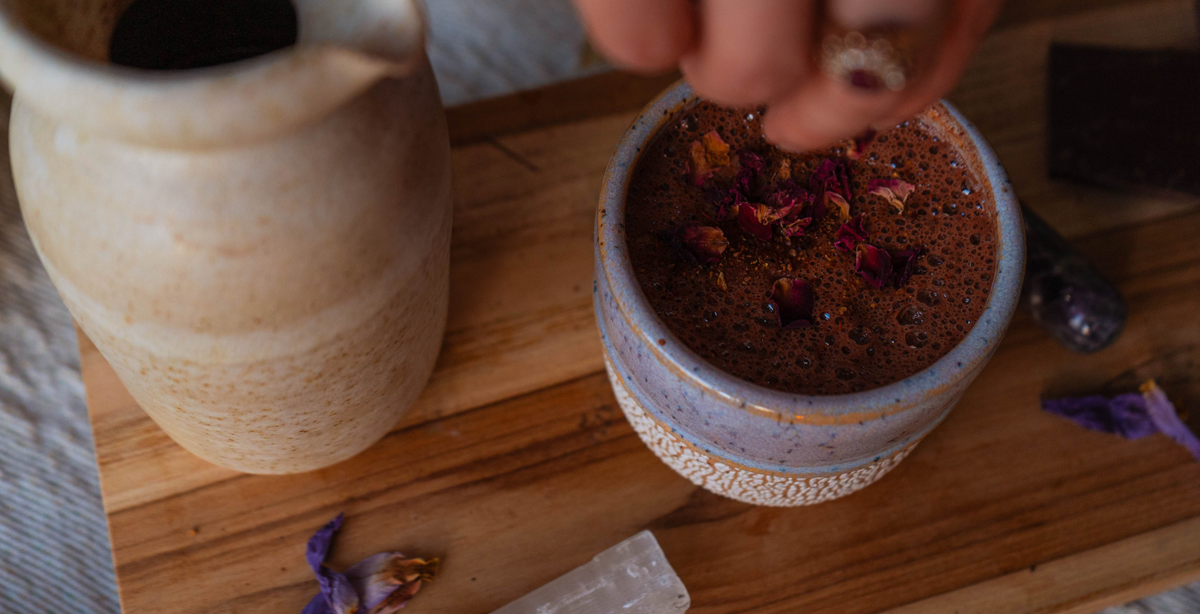
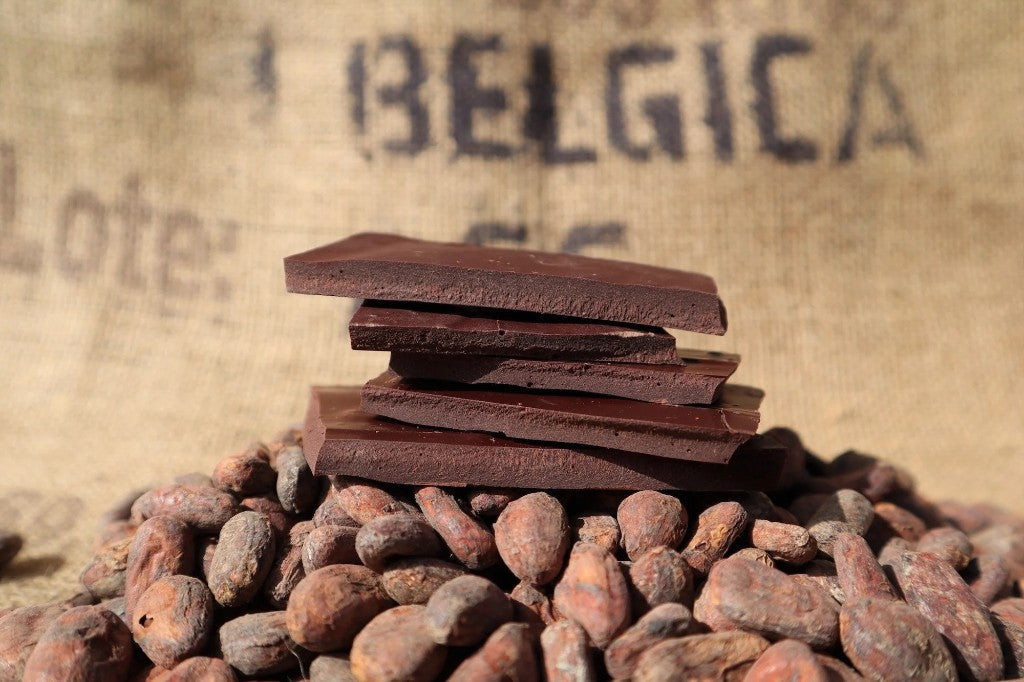
Tasting notes
Fruity · Woody / Earthy
-
Shipped Monday and Thursday
-
Stone ground
Ingrédients & valeurs nutritionnelles
Cocoa mass, cocoa butter. Cocoa solids: 100%.
| Énergie | 2479 kJ / 600 kcal |
|---|---|
| Matières grasses | 50,3 g |
| dont acides gras saturés | 30,1 g |
| Glucides | 30,6 g |
| dont sucres | 0,3 g |
| Fibres alimentaires | 14,7 g |
| Protéines | 13,5 g |
| Sel | < 0,013 g |
May contain traces of nuts. Made in a workshop that also handles other nuts.
The terroir
In Tomé-Açu, in Pará, the cacao of Fazenda Takahashi grows beneath the trees. Harvested by hand, the beans ferment for seven days, dry in the sun under cover, then cross the Atlantic under sail.
Country
Brazil
Harvest
Hand harvested
Altitude
200–400 m
Fermentation
7 days
Drying
Solar drying under covered driers
Roasting
Lightly roasted
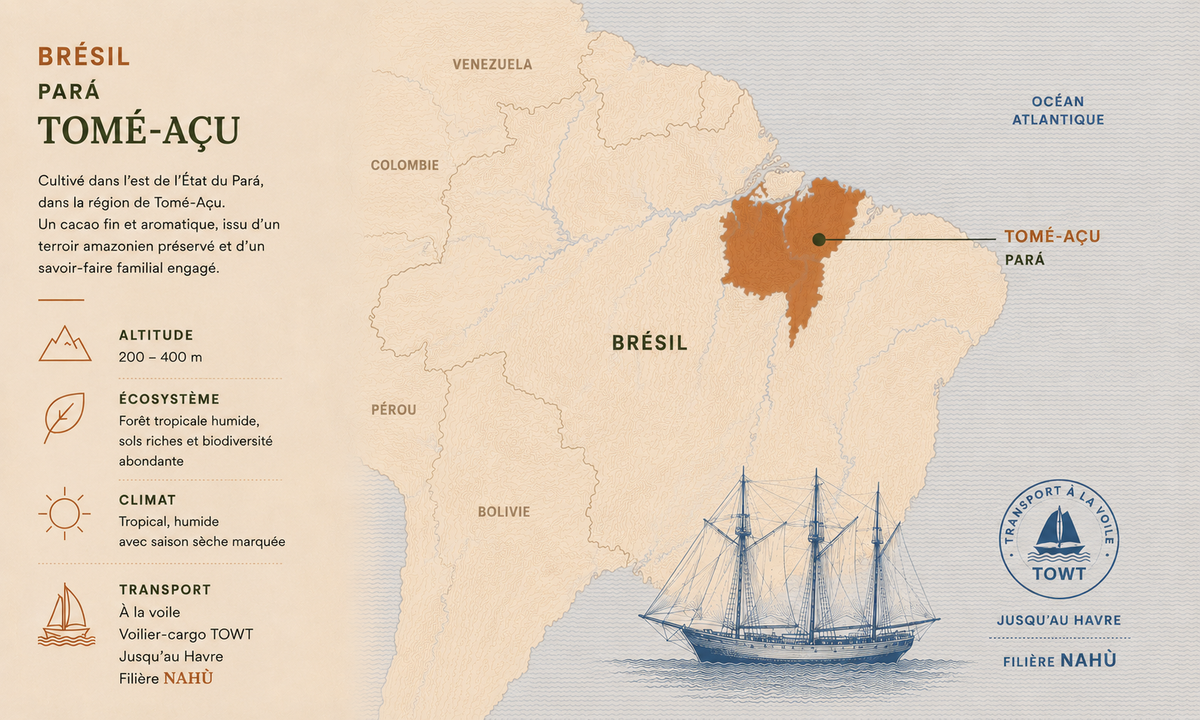
Brazil · Tomé-Açu · Ceremonial cacao
Brazil · Tomé-Açu · Ceremonial cacao
BrazilJorge Takahashi
Pará · Fazenda Takahashi, Amazonian agroforestry
Profil aromatiqueFruity · Woody / Earthy

Pará · Tomé-Açu
Tomé-Açu
Une ferme dans la forêt du Pará.
Peoples
Languages on the banks of the Acará

Post-harvest
Seven days of fermentation, then the sun

Crossing
The Anemos, as far as Le Havre

Tomé-Açu
Cacau de Tomé-Açu, 2024. En portugais.
Other expressions of our cacao...
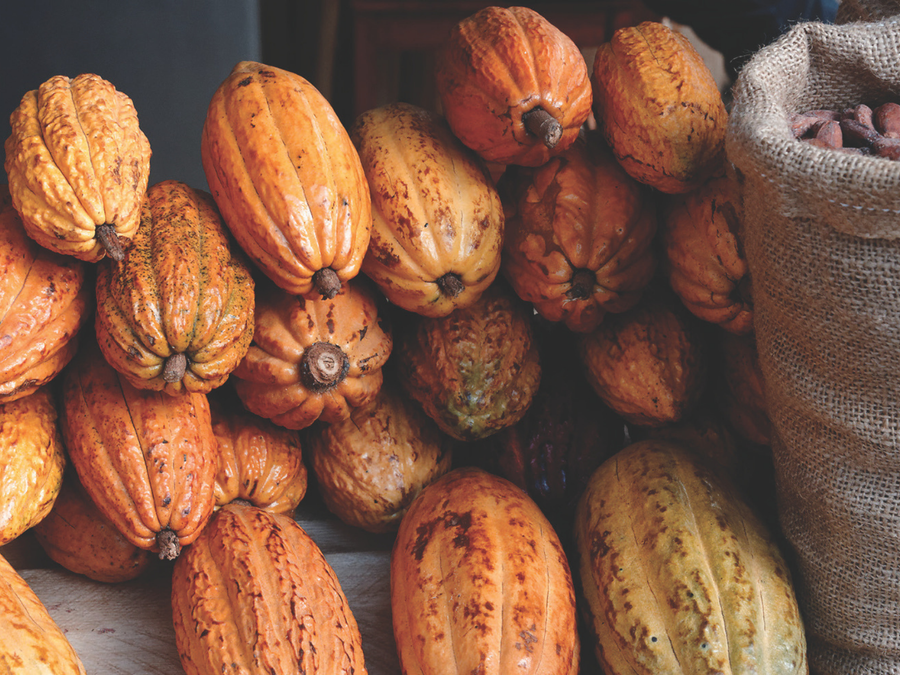 100% Cacao
Nutty / Praline · Fruity
From €9,50
100 %Chuncho
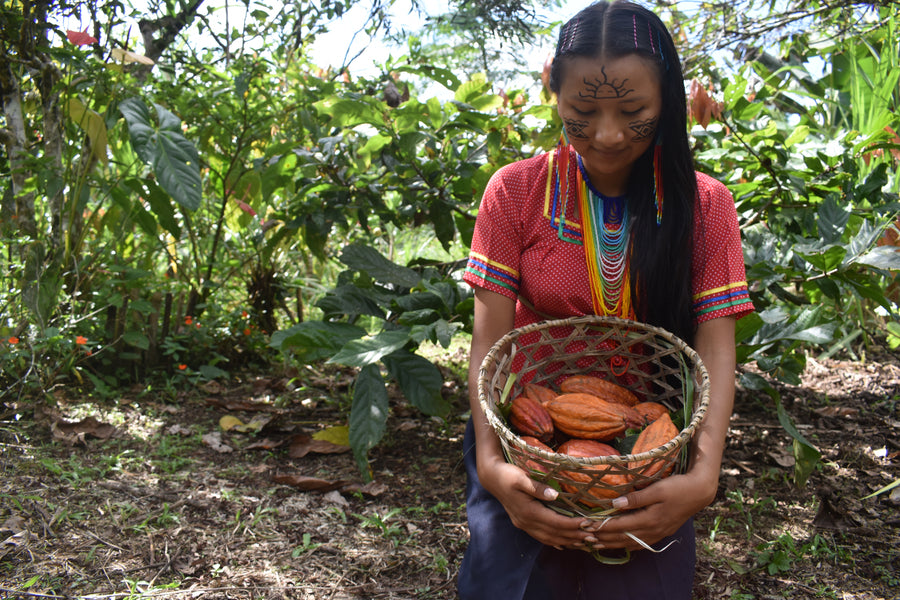
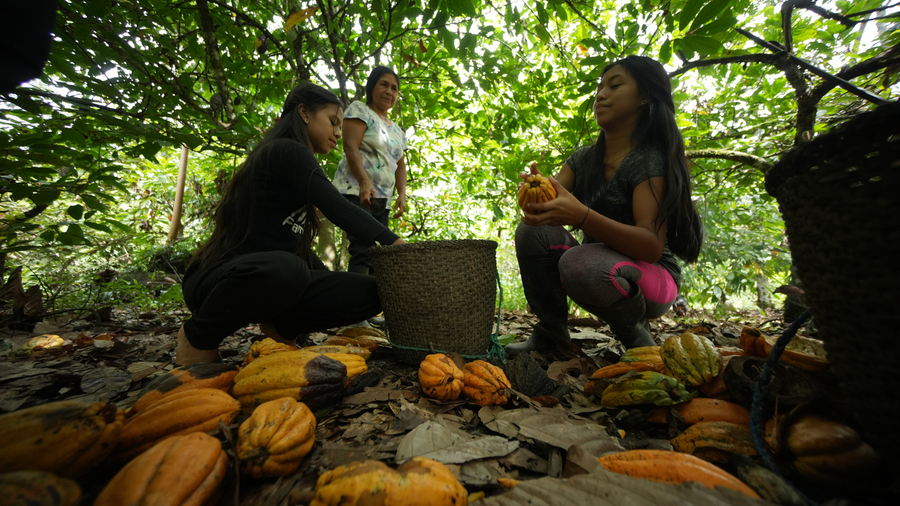 100% Cacao
Floral · Soft & Round
From €9,50
100 %Nacional
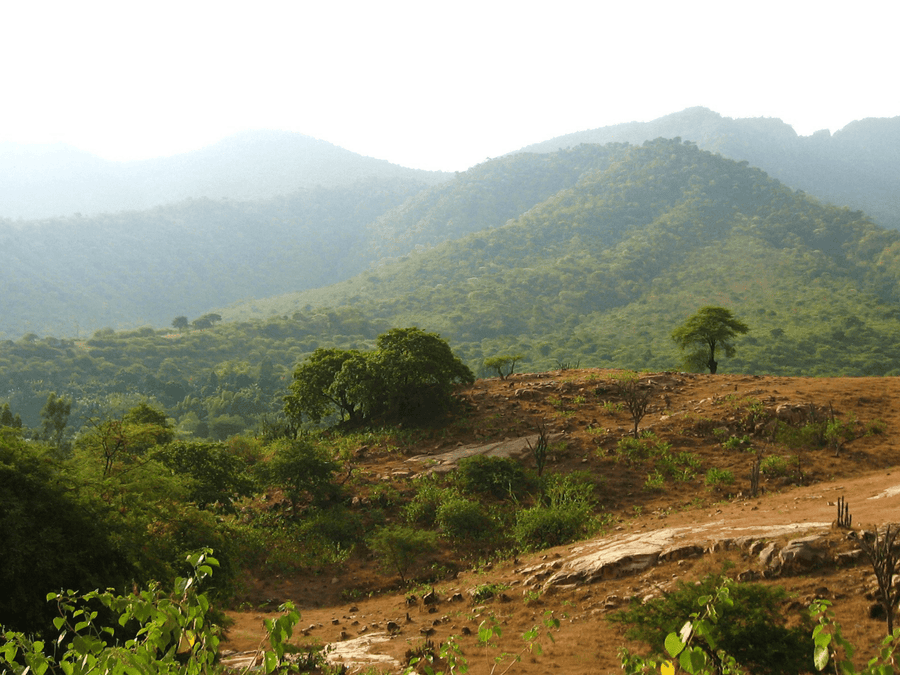
 100% Cacao
Fruity · Floral
From €9,50
100 %Gran Blanco
 100% Cacao