Skip to content

Cart

Your cart is empty

Continue shopping
Explore the origins
Voir les 14 origines

Maya Mountain

Lightly roasted

Toledo, cacao beneath the fruit trees

Maya Mountain

The terroir

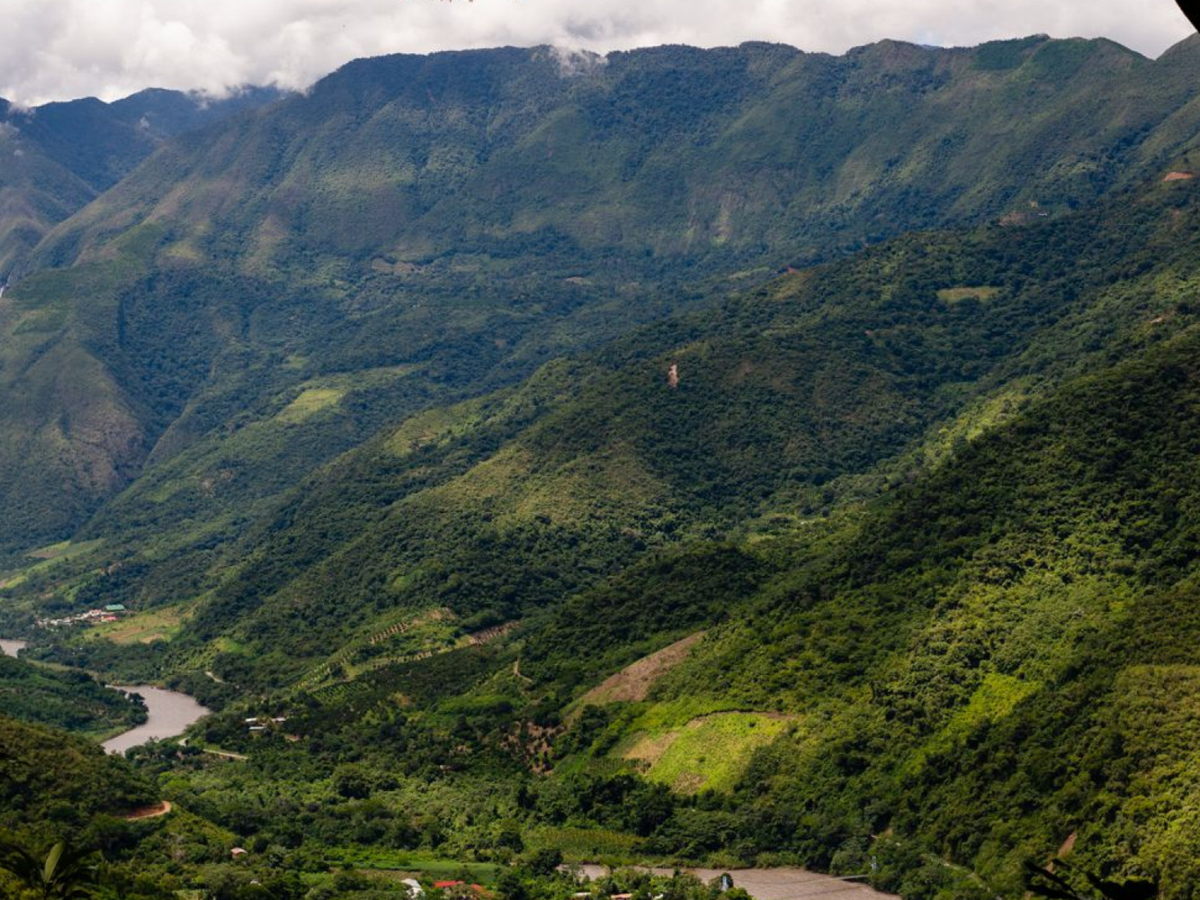
Toledo District, Belize (30-300 m). Amelonado/Forastero cacao in organic agroforestry, sun-dried, by the Q'eqchi' and Mopan Maya families.
Origin Maya Mountain
Country Belize
Terroir Toledo, cacao beneath the fruit trees
Harvest August - January (secondary harvest Nov.-Dec.)
Fermentation 6-7 days · centralised fermentation
Roasting Lightly roasted
Carte du terroir

Tasting notes

Caramelised / Honey · Fruity

Texture

Rich & enveloping

Cultivar

Amelonado · Forastero

Recommended dose

1 to 2 squares (5-10 g) per tasting

How to prepare
  1. Grate or break off the amount indicated above.
  2. Heat the water (or a plant drink) until hot, never bringing it to the boil · 60 to 65 °C maximum.
  3. Pour over the cacao, let it melt, then emulsify with a whisk or a molinillo until you obtain an even foam.
Sale price€9,00
Size: 1 bar

In stock · Shipping within 24 to 48h

Ingrédients & valeurs nutritionnelles

Cocoa mass*, cane sugar, cocoa butter*. *from organic farming. Cocoa: 76% minimum.

Valeurs moyennes pour 100 g
Énergie 2440 kJ / 589 kcal
Matières grasses 45,8 g
dont acides gras saturés 27,8 g
Glucides 40,2 g
dont sucres 17,1 g
Fibres alimentaires 11,7 g
Protéines 9,9 g
Sel < 0,013 g

May contain traces of nuts. Made in a workshop that also handles other nuts.

Belize · Maya Mountain · Dark chocolate
Belize · Maya Mountain · Dark chocolate1 bar Sale price€9,00

Territory

Toledo cacao is one thousand two hundred years old

At Lubaantun, between 730 and 890, a town was built of black slate slabs laid without mortar, each course overhanging the one below. Ceramic and stone pod effigies were found there: it was a centre of cacao production. The village of San Pedro Columbia is three kilometres away.

At Nim Li Punit, fifty kilometres further up, an eighteen-centimetre jade plaque bore the glyph ik', the wind and the breath. It served rituals of calling the wind and the rain. First use in 672, deposited in a tomb around 800.

Film: HCP Maya Mountain Cacao, Identifying Heirloom Cacao (Heirloom Cacao Preservation Fund)

Community

Two flights, a trial, a vote

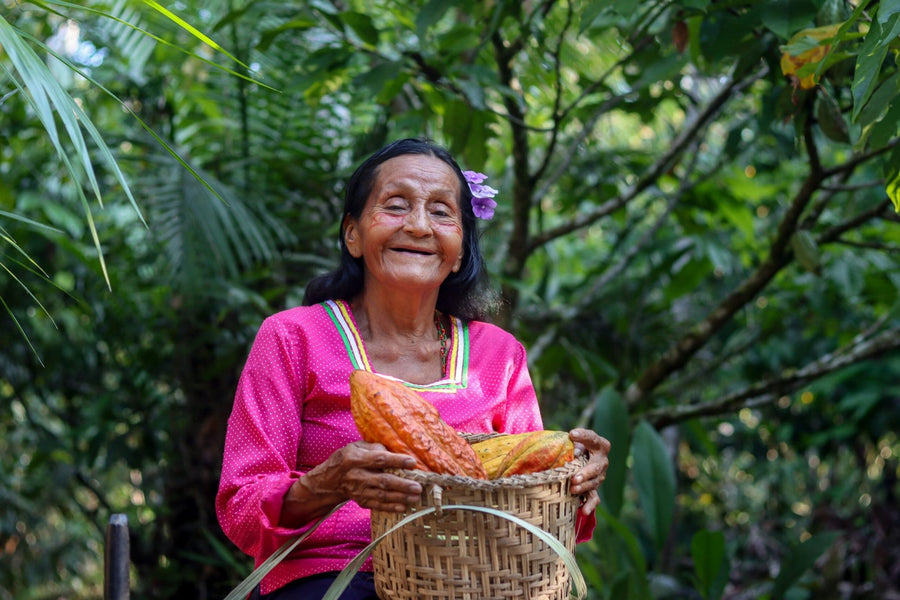
The Q'eqchi' entered here in the 1870s, to escape subjection by the German coffee planters of Verapaz. The Mopan in 1886, come from Petén, to escape tax and forced labour. The 2022 census counts them for 49.43% and 15.30% of the district, and 59.7% of the inhabitants there speak a Mayan language.

On 30 October 2015, the Caribbean Court of Justice held that Maya customary land tenure exists in the villages of Toledo and that it is property protected by the Constitution. Twenty-five communities were at the bar. On 22 November 2025, more than three hundred and seventy-five producers from thirty communities voted to take Maya Mountain Cacao back as a cooperative, and elected their committee.

Forêt partagée du district de Toledo
Hand sorting of the cacao beans
Sorting, by hand

Post-harvest

Paid the same day, fermented at the centre

Maya Mountain Cacao was the first organisation in Belize to ferment and dry in a centralised way. Each lot of wet beans is weighed, recorded and paid to the producer on the day of harvest. It is Gabriel Pop, co-founder, who imposed the purchase of the wet bean: here, that is what changed the work.

Six to seven days of fermentation in boxes, then a sun drying carried out in three stages, on slatted beds under roof, on patio and in solar dryers. A producer turns out one hundred and seventy-seven dry kilos a year on average. The farm-gate price was 3.15 dollars a kilo in 2020. 4.72 in 2024.

Solar drying of the cacao beans
In the sun, Maya Mountain
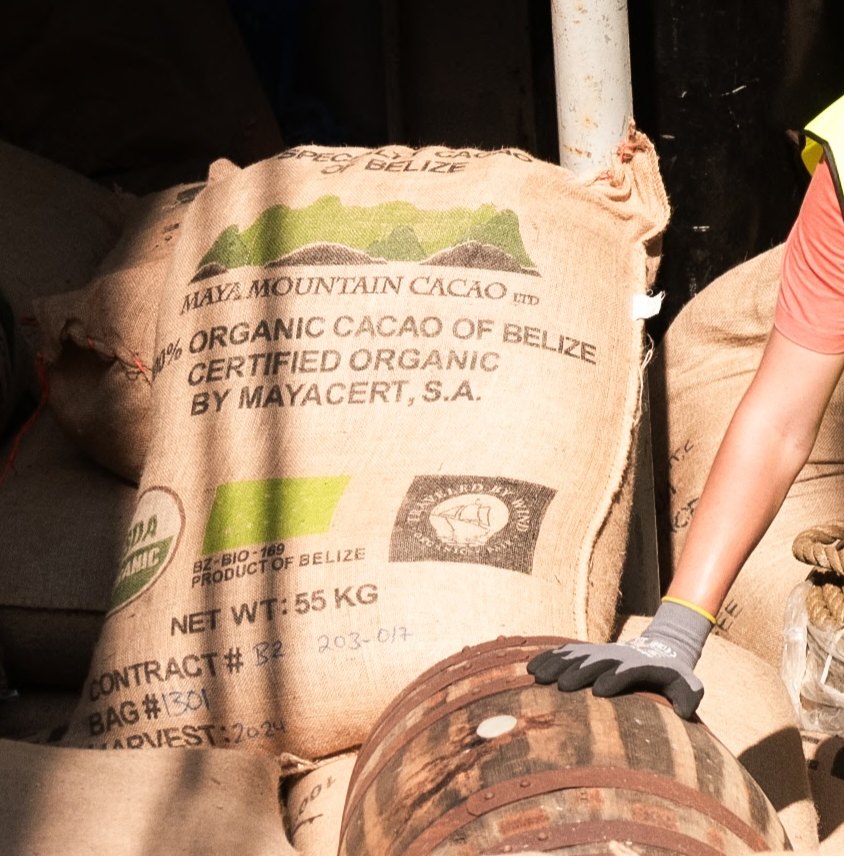
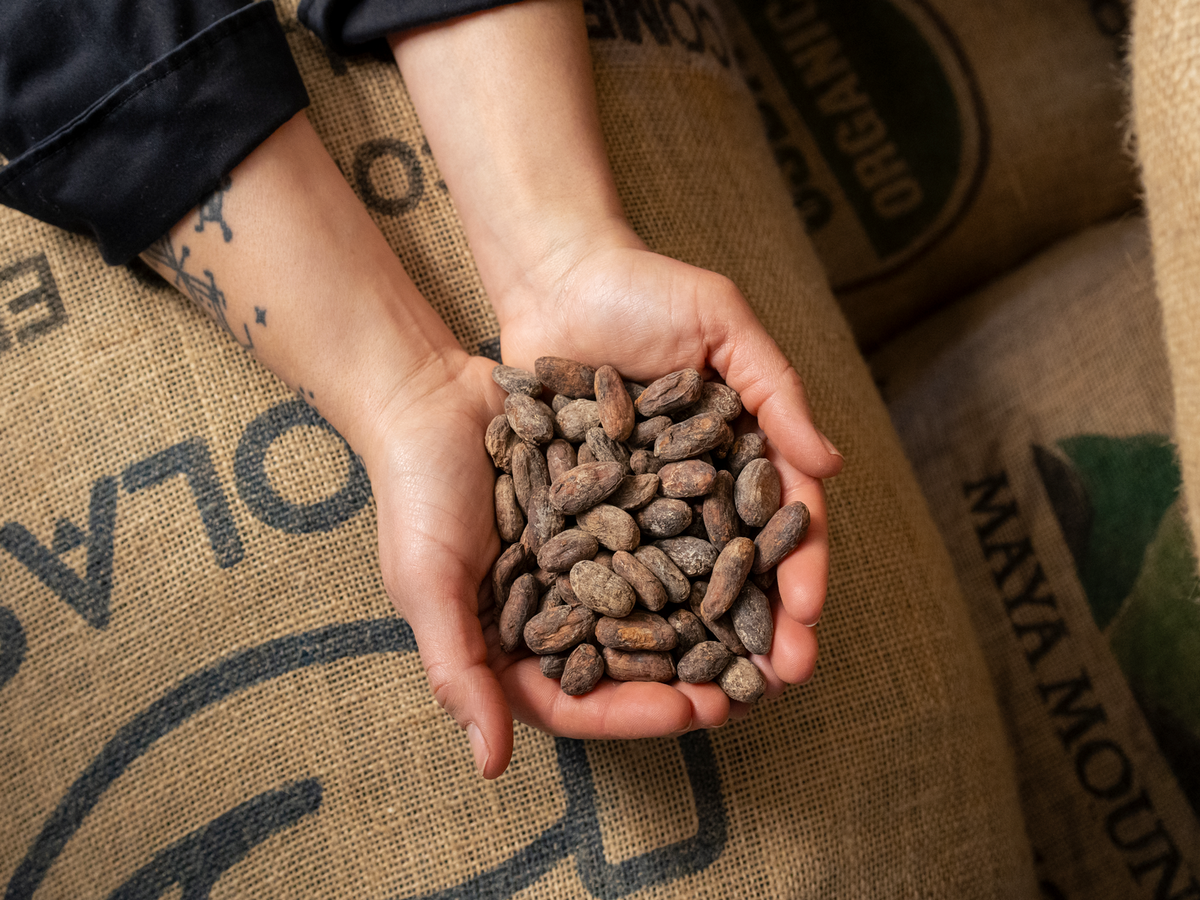
Cacao sack in the hold
The lot, ready to leave Toledo
Fermentation
6–7 days, centralised fermentation
Drying
Solar drying in three stages
Payment
paid the same day
Transport
Voile · Avontuur (Timbercoast)
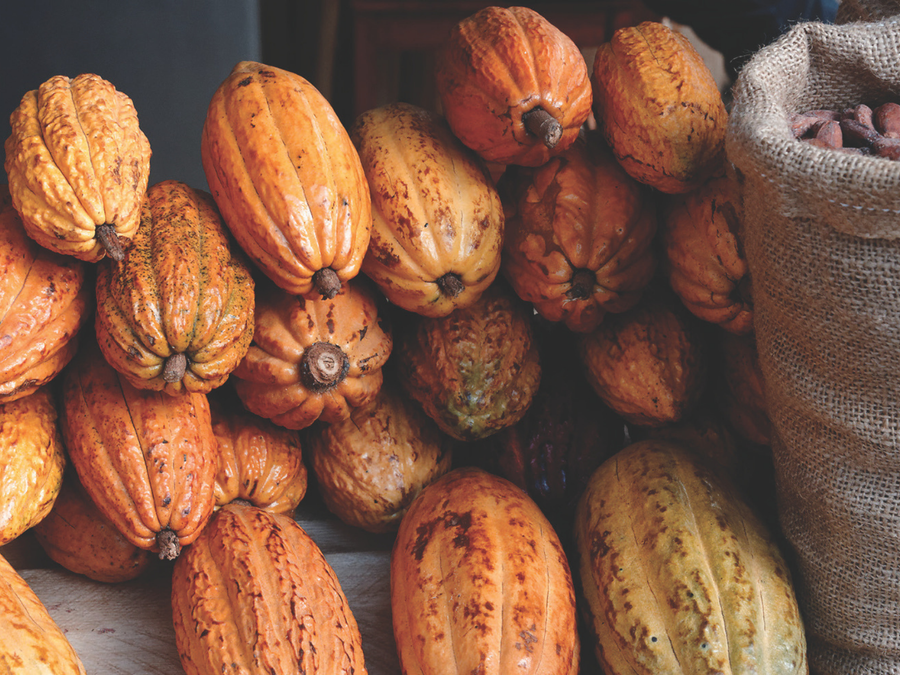
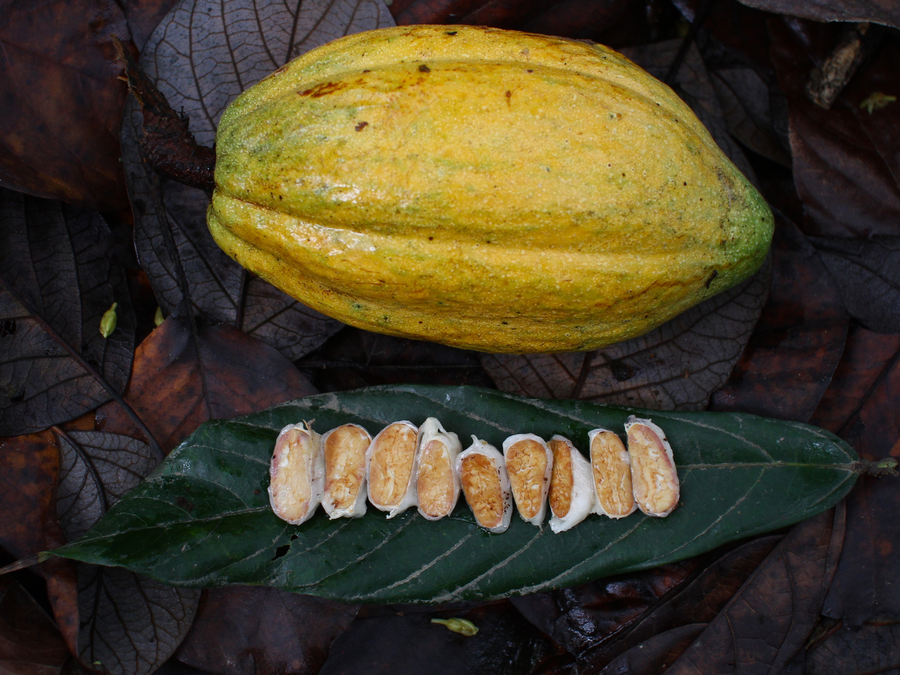
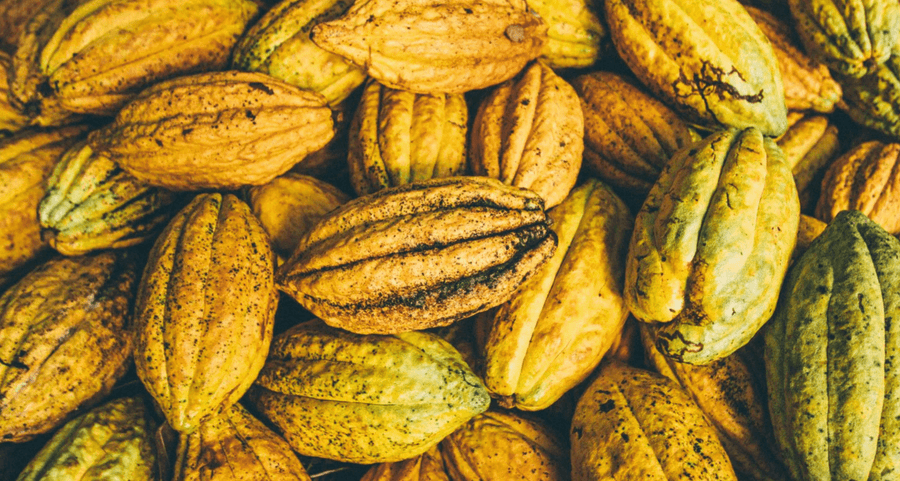
Pods under the canopy, the tangle of the orchard
Pods under the canopy

Agroforestry

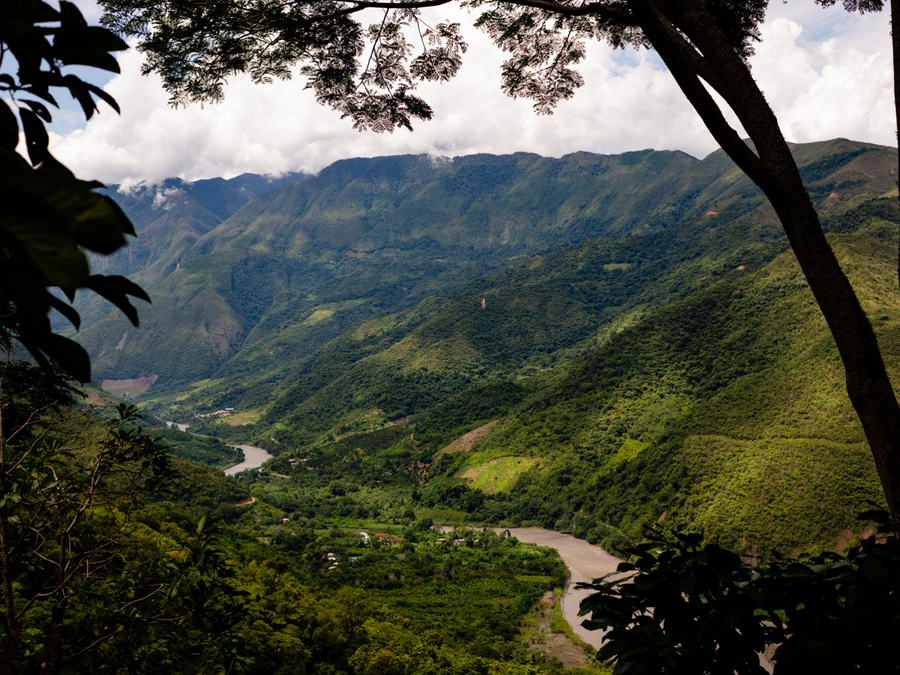
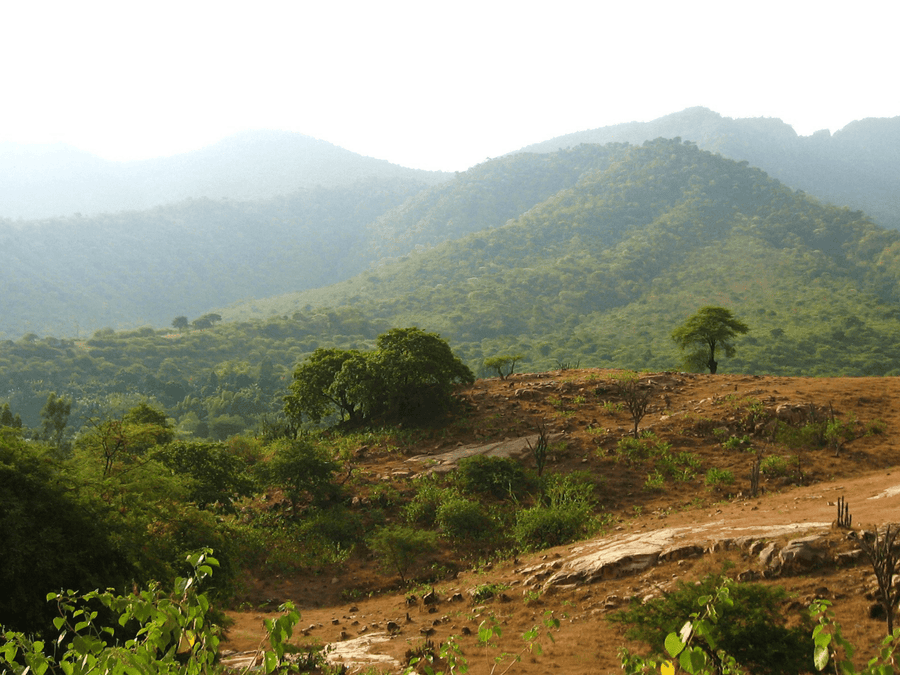
One hectare, and the massif above

The average plot is 1.03 hectares. Cacao shares the soil there with banana, mango, avocado, coconut and timber trees, on 463 hectares in all. The varieties are hybrids with an Amelonado dominance and other upper-Amazon Forastero hybrids; a few old criollos survive in reserves and private plots.

Above begins the massif. The Bladen Nature Reserve, forty thousand three hundred and eighty-six hectares of conical limestone hills pierced by sinkholes with vertical walls, classed IUCN Ia and closed to tourism. Ninety-three mammals, three hundred and thirty-seven birds, ninety-two reptiles and amphibians are recorded there.

  • Cacao
  • banana
  • mango
  • avocado
  • coconut palm
  • local species
Theobroma Cacao L., Köhler 1887 · domaine public

Crossing

Travelled by wind, it is written on it

The beans leave Toledo in fifty-five-kilo jute sacks. The port is two hundred and thirty-nine kilometres away.

They cross the Atlantic on board the Avontuur, a schooner of forty-three metres fifty-five built in 1920, one hundred and ninety-five tonnes deadweight. In her hold, the Belizean sack sits beside thirty-kilo sacks of Mexican coffee. On the canvas stretched in her rigging: Mission Zero, cargo under sail. On the sack, an oval stamp and an engraved sailing ship: travelled by wind.

Continue