Skip to content

Cart

Your cart is empty

Continue shopping
EXPLORER LES CHOCOLATS NOIRS
Voir tous les chocolats noirs

Piura Blanco

Unroasted

Northern Peru, El Alto valley

Piura Blanco

Notes de dégustation

Fruity · Floral

Texture

Luminous & delicate

Cultivar

Gran Blanco

Dose recommandée

1 to 2 squares (5–10 g) per tasting

Making a drink
  1. For a pure cacao drink, allow 20–30 g per cup, or 30–40 g for a denser texture. With a chocolate bar, adjust the amount to your taste: it already contains sugar.
  2. Grate or break up the cacao or chocolate.
  3. Heat the water, or a plant-based drink, without bringing it to the boil: 60 to 65 °C at most.
  4. Pour over the pieces, let them melt, then beat with a whisk or a molinillo until you get an even foam.
Sale price€9,00
Size: 1 bar

En stock · Expédition sous 24 à 72h

  • Envoi lundi et jeudi

  • Broyage sur pierre

Ingrédients & valeurs nutritionnelles

Cocoa mass, cane sugar, cocoa butter. Cocoa solids: 82% minimum.

Valeurs moyennes pour 100 g
Énergie 2449 kJ / 592 kcal
Matières grasses 46,9 g
dont acides gras saturés 28,4 g
Glucides 37,8 g
dont sucres 12,9 g
Fibres alimentaires 12,5 g
Protéines 10,8 g
Sel < 0,013 g

May contain traces of nuts. Made in a workshop that also handles other nuts.

The terroir

In the upper Piura valley, between 200 and 900 m, the families of Norandino grow Blanco de Piura on arid, irrigated land. This cacao from the Nacional group sometimes bears pale beans.
Country Peru
Harvest April to August
Altitude 200–900 m
Fermentation 3–5 days in the box (Norandino centre)
Drying Solar drying 5–8 days
Roasting Unroasted
Carte du terroir
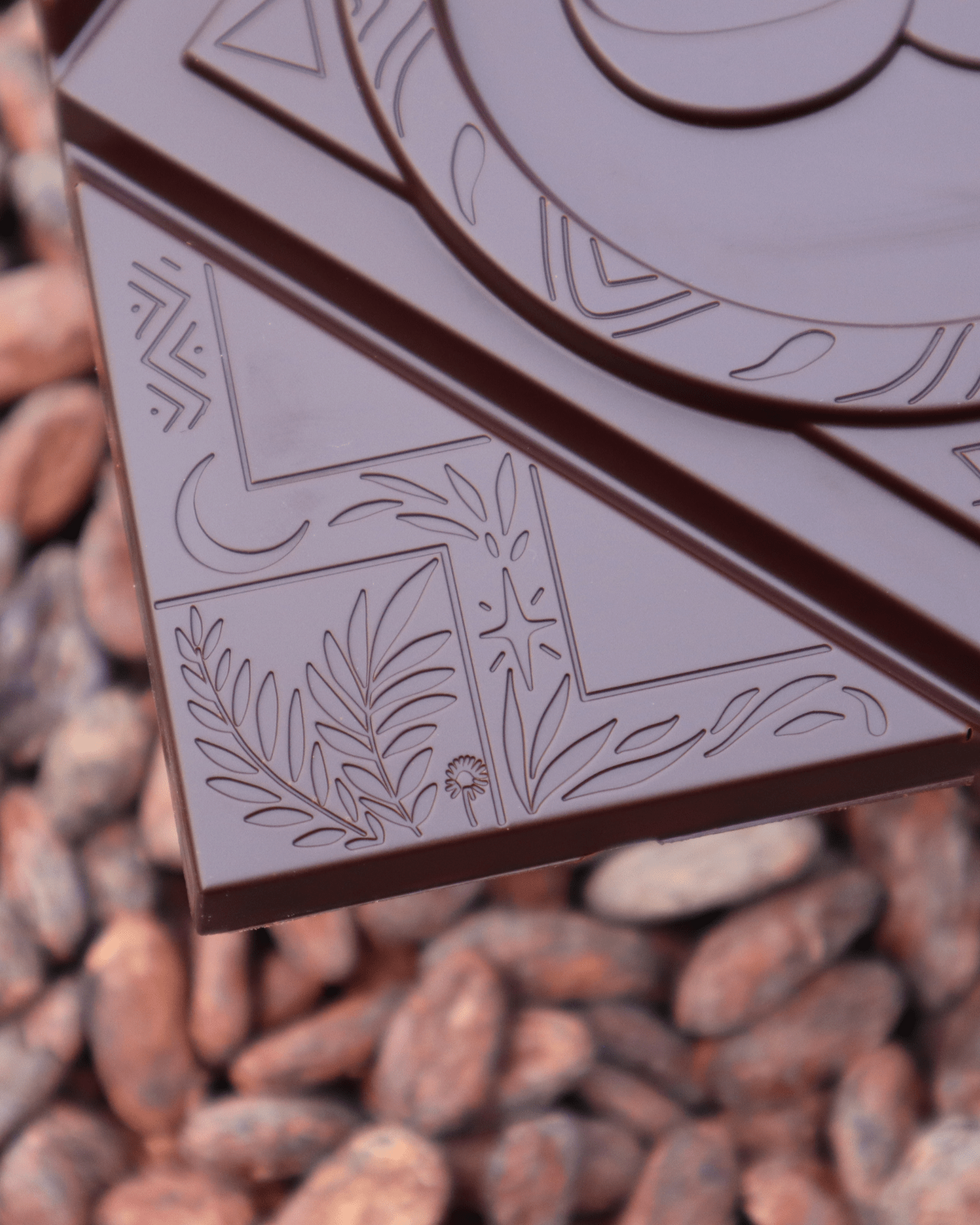
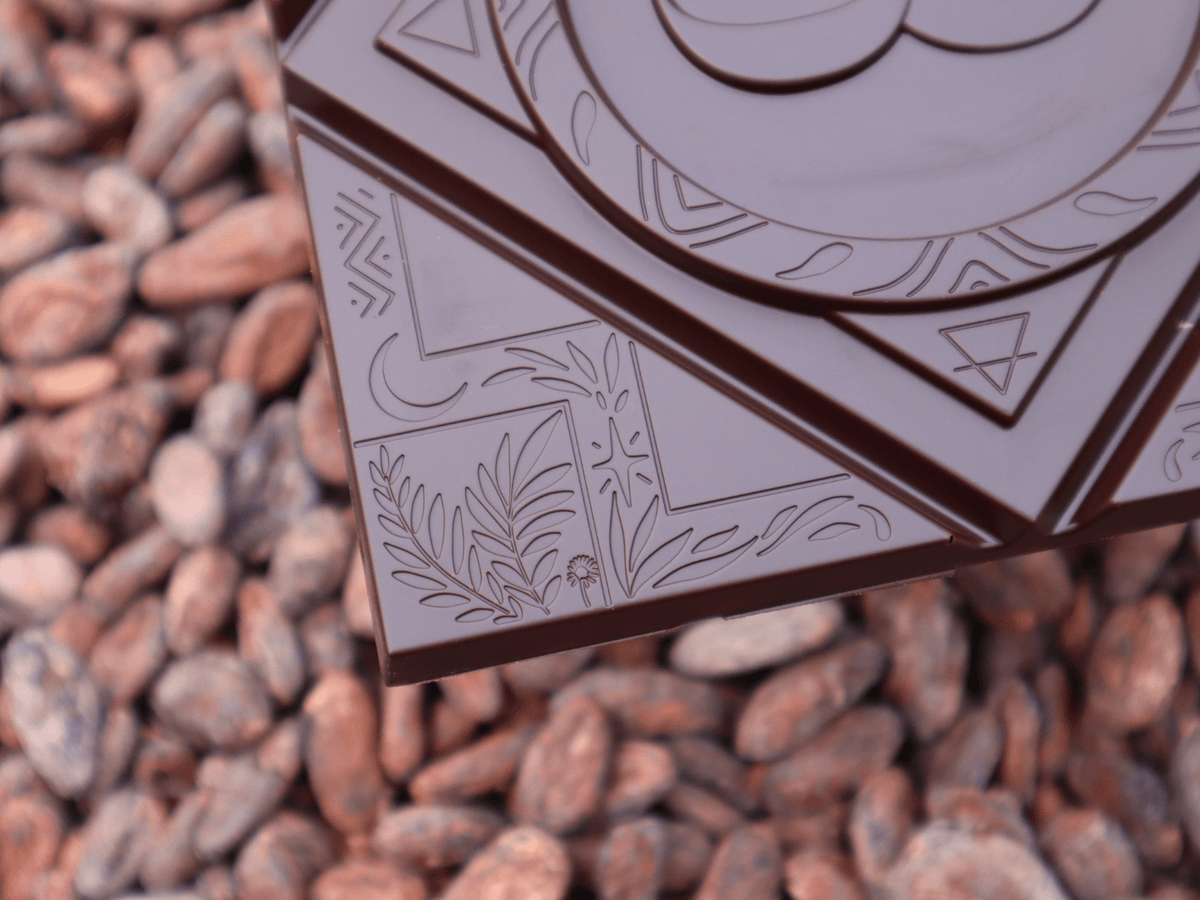
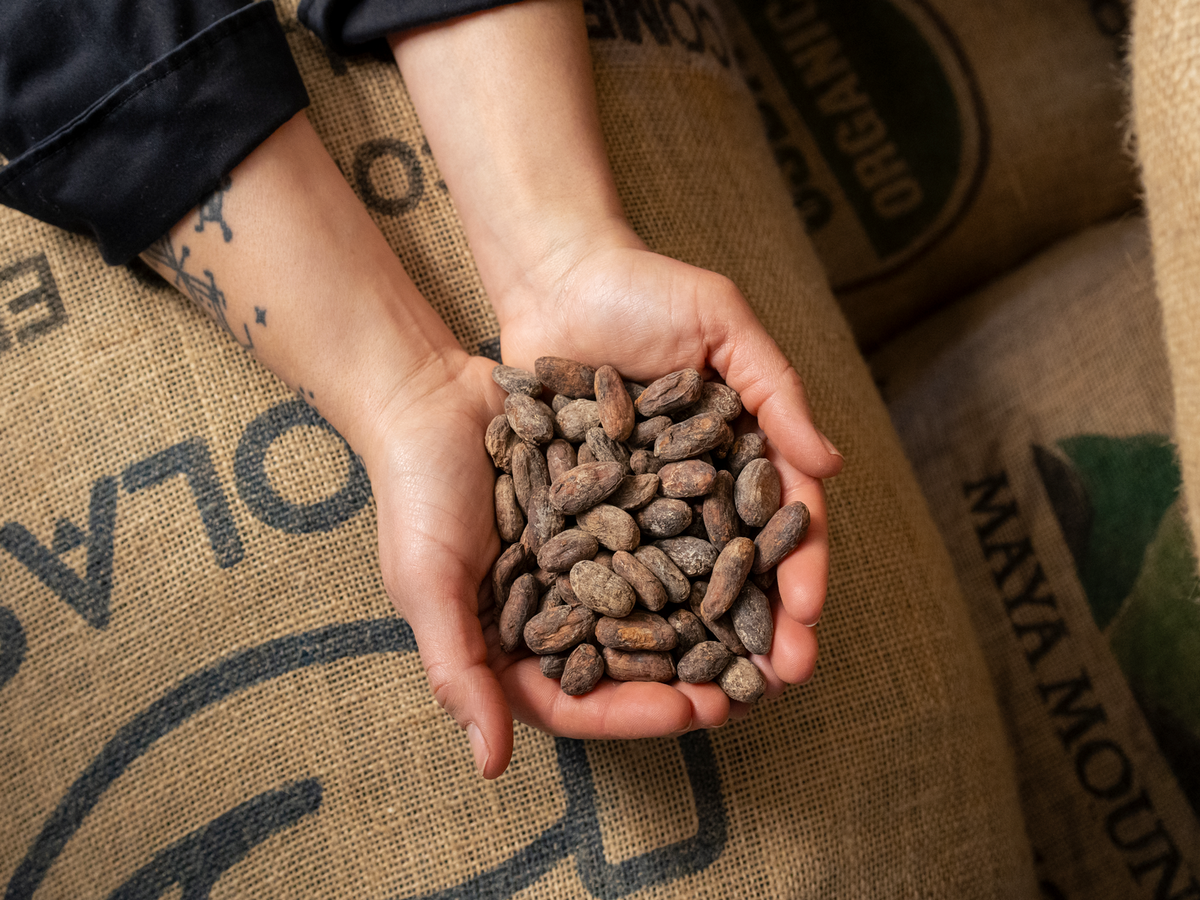
Close-up of a MOOJO dark chocolate bar on a bed of beans · Peru Piura Blanco
Peru · Piura Blanco · Dark chocolate 82% RAW1 bar Sale price€9,00
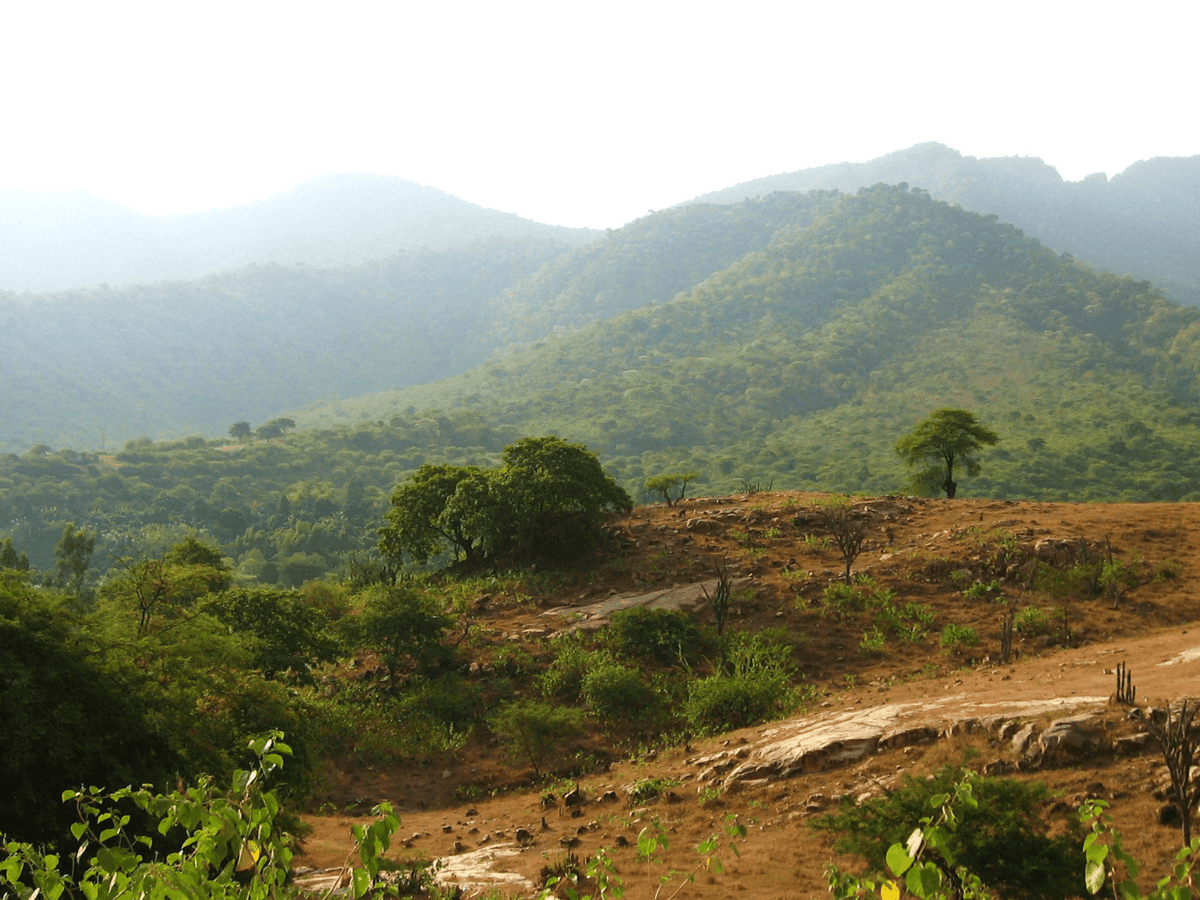
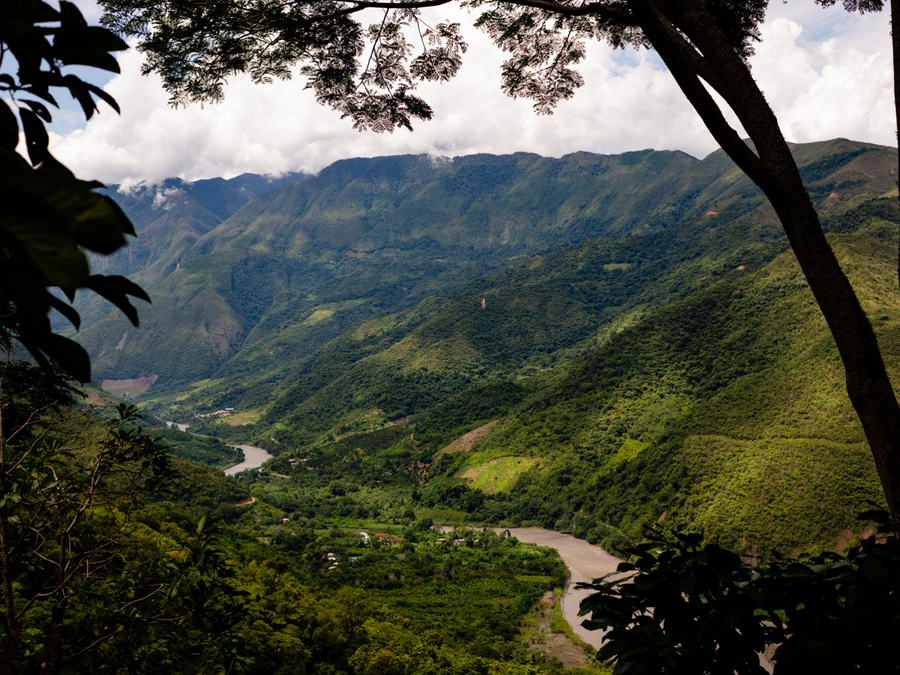
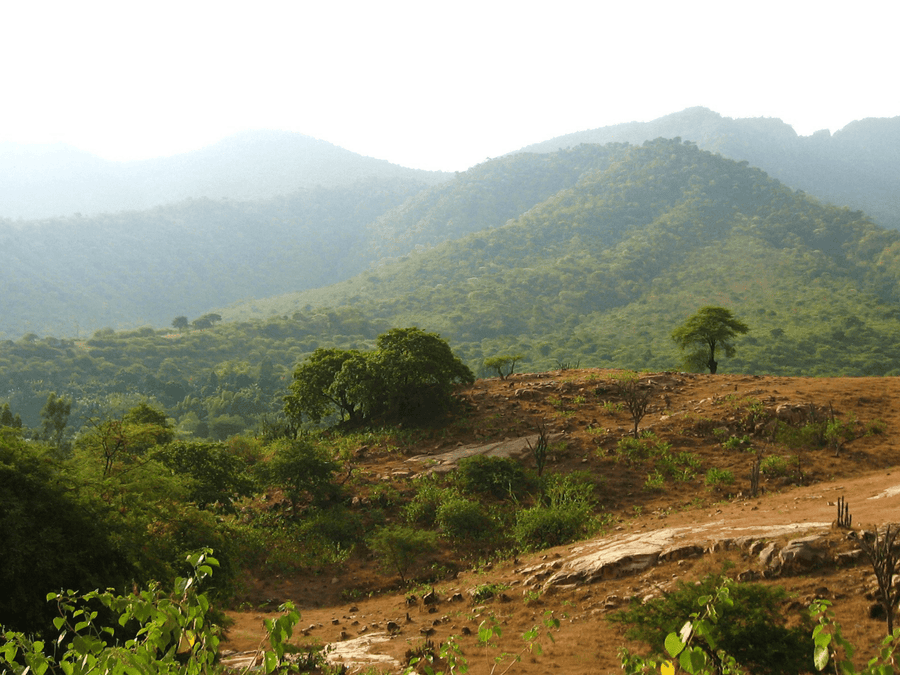
Versant de forêt sèche, cactus et collines, Piura

Cacao Latitudes

Piura · El Alto

Piura Blanco

El Alto, entre 200 et 900 m, en lisière du désert de Sechura. Il y pleut peu. Les parcelles sont irriguées.

Territory

Cacao on the edge of the desert

In northern Peru, the El Alto valley leaves the Piura plain and climbs towards the first heights, between 200 and 900 metres, at the edge of the Sechura Desert. It rains little here: the plots are irrigated, thanks to Andean systems. By day the sun beats down, night falls all at once, and that gap concentrates the sugars and the acidity in the pod.

The harvest runs from April to August, in the heart of the dry season. What the desert takes away in water, it gives back in consistency: little rain on the beans, few surprises during drying.

Ce film n'est pas le nôtre. Original Beans l'a tourné en 2025. Il mêle Piura et l'Amazonas.

Original Beans, 2025.

People

Norandino, a cooperative of the valley

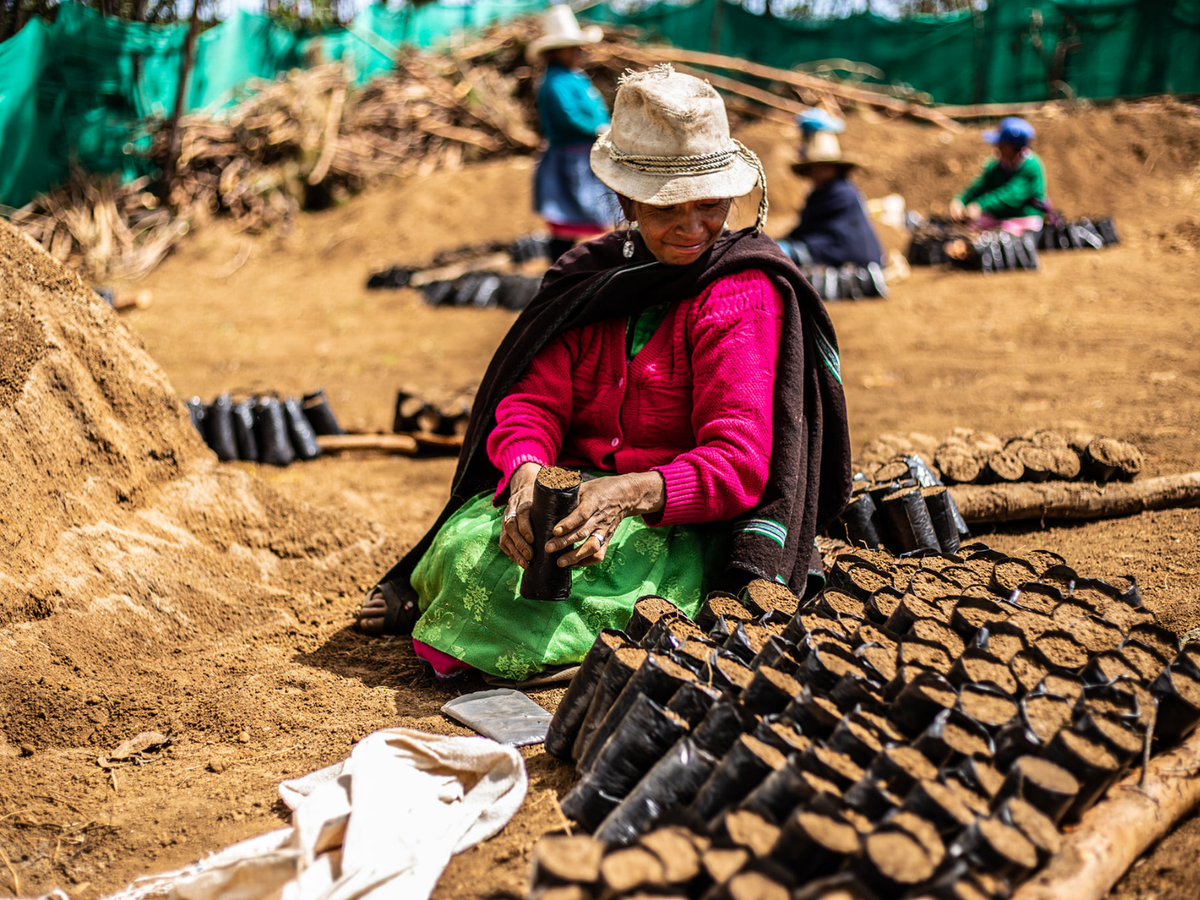
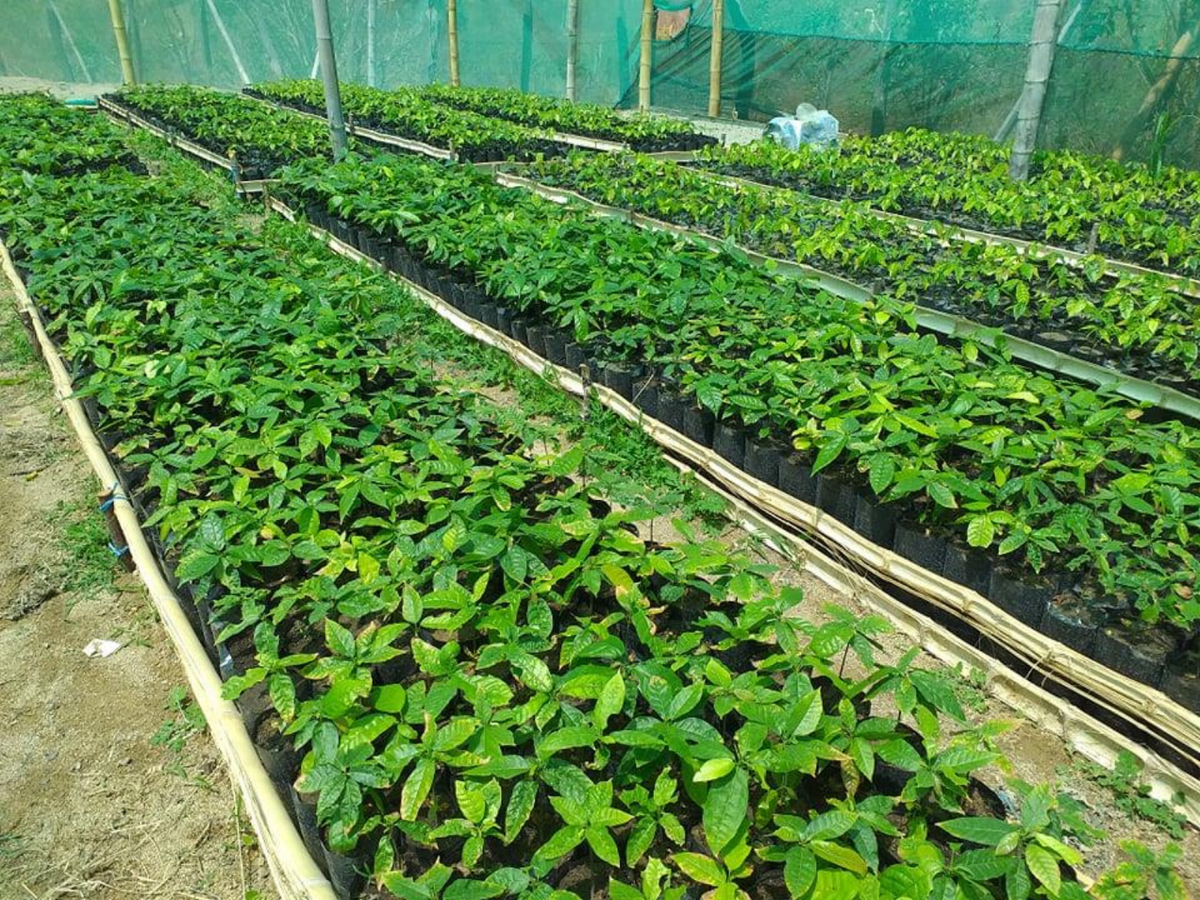
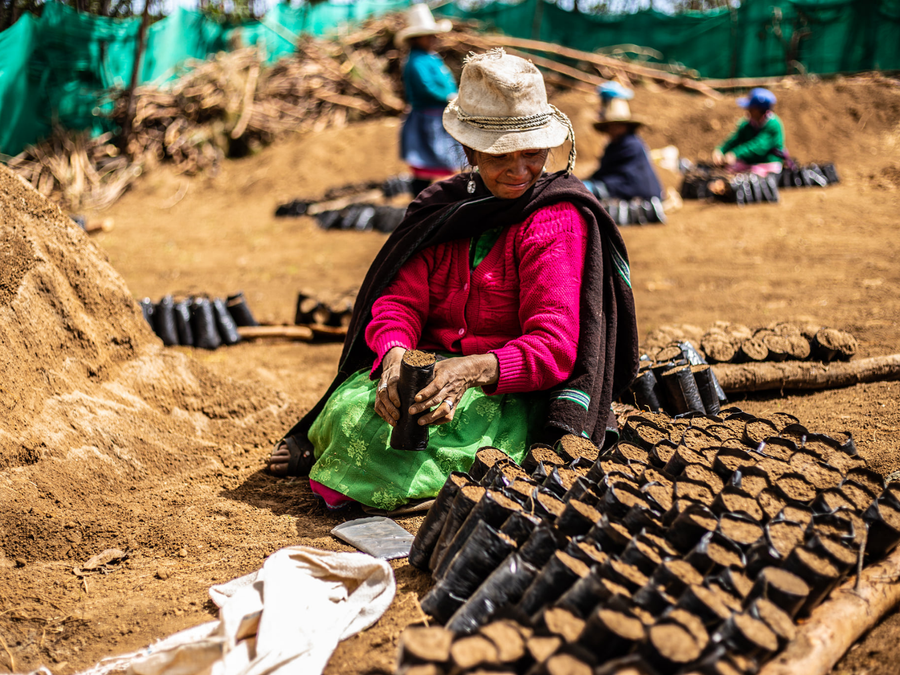
Founded in Piura in 1995, Norandino brings together several thousand families, including those of El Alto and Morropón: often the same hands for the arabica up high and the cacao just below. Around 2007, it decided to save the white cacao. No one ferments on their own: the fresh beans spend three to five days in boxes at the centre, where the mass heats up and its smell changes.

Une femme remplit des sachets de terre, pépinière, Piura

Genetics

The white bean of Piura

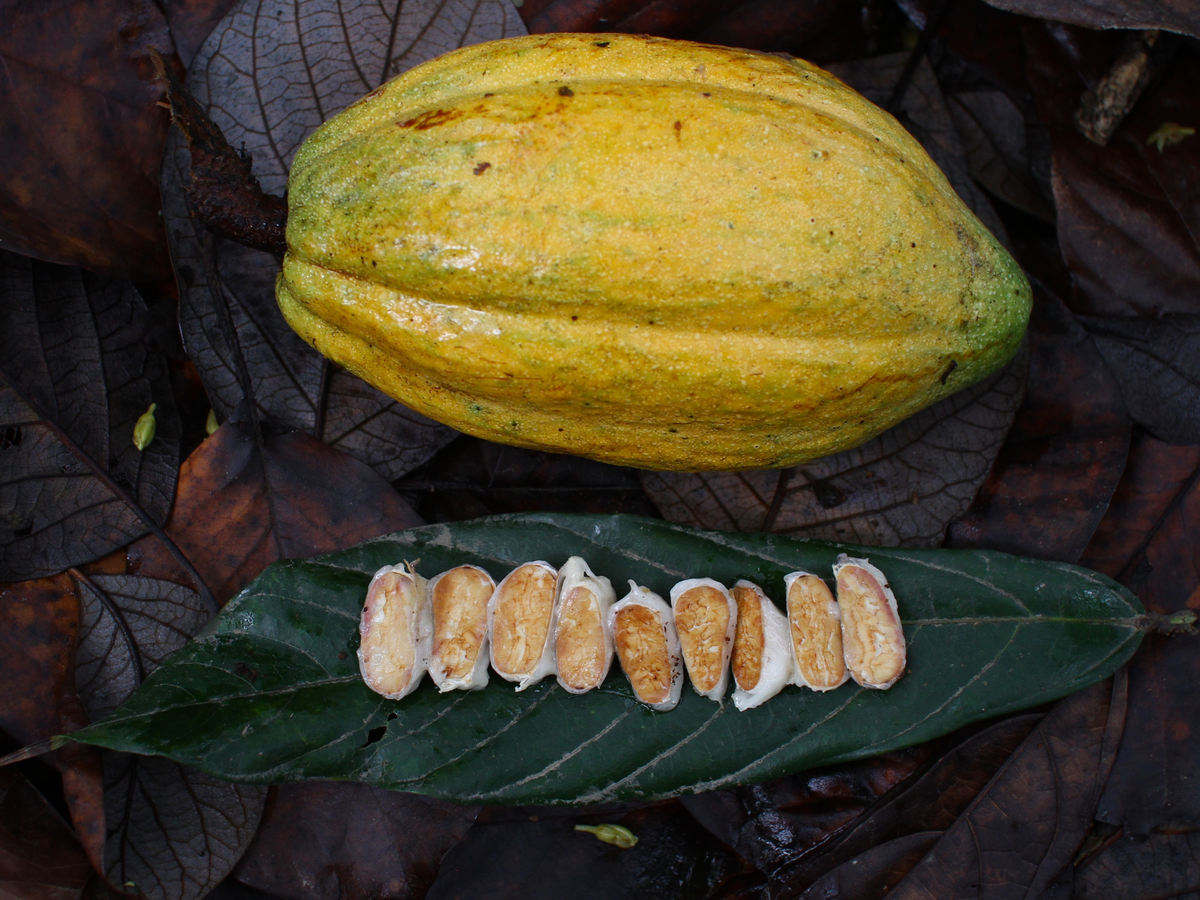
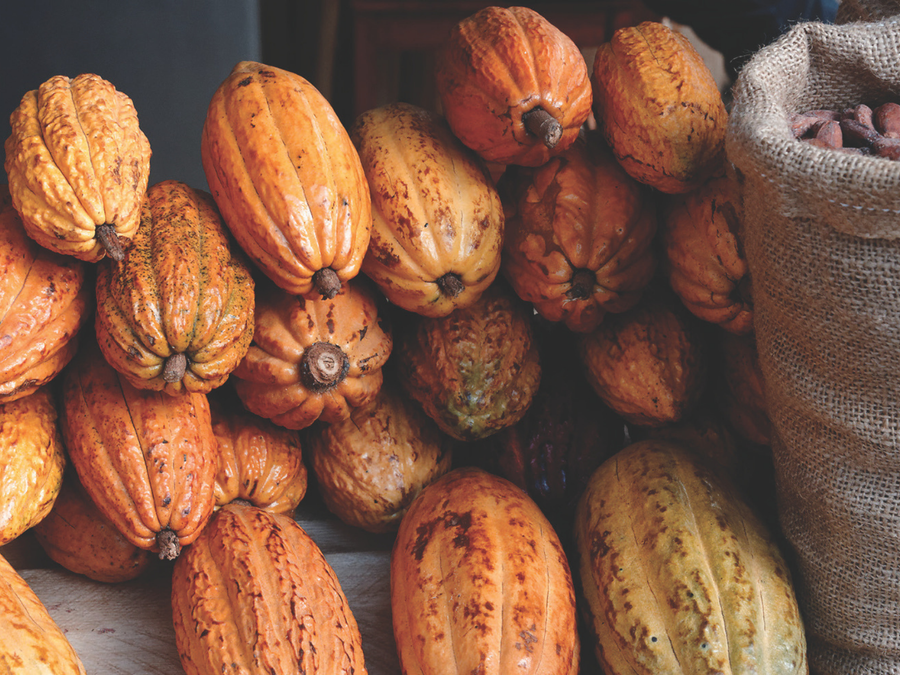
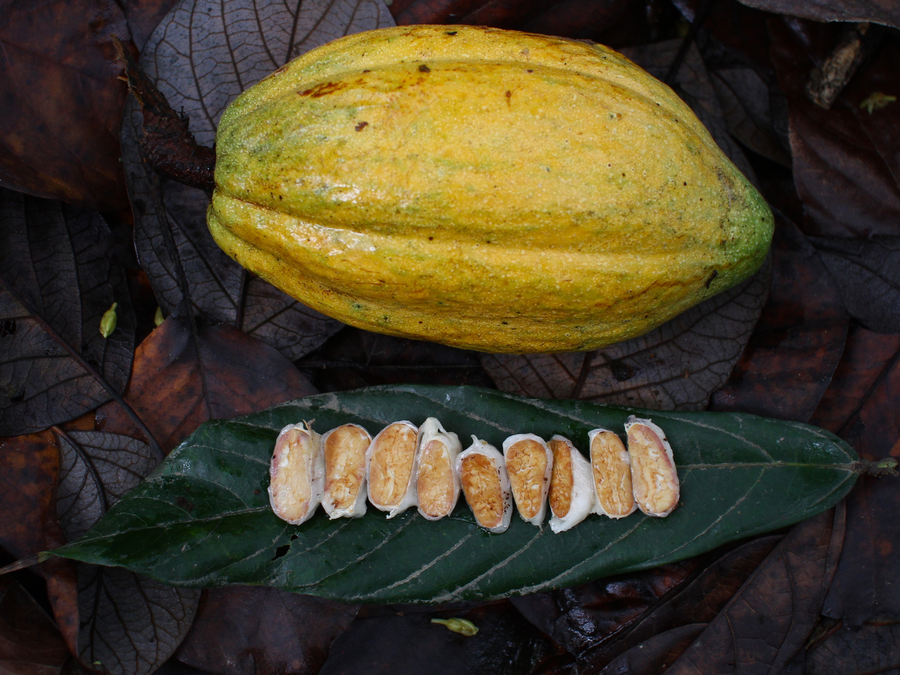
Open a Blanco de Piura pod: in the white pulp, the beans are pale, almost ivory, where most cacao yields purple ones. It is this paleness that gave its name to this cacao of the Nacional group, also known as Gran Blanco. Not every bean has it: cross-pollination with neighbouring cacao trees has pushed the white back, and fewer than one bean in two is truly white.

This paleness comes with fewer tannins and less bitterness. On the palate, it brings a fruity, floral brightness, without the wall of bitterness. Gently roasted in Heks, or not at all, the bean has nothing to hide, only an acidity to settle.

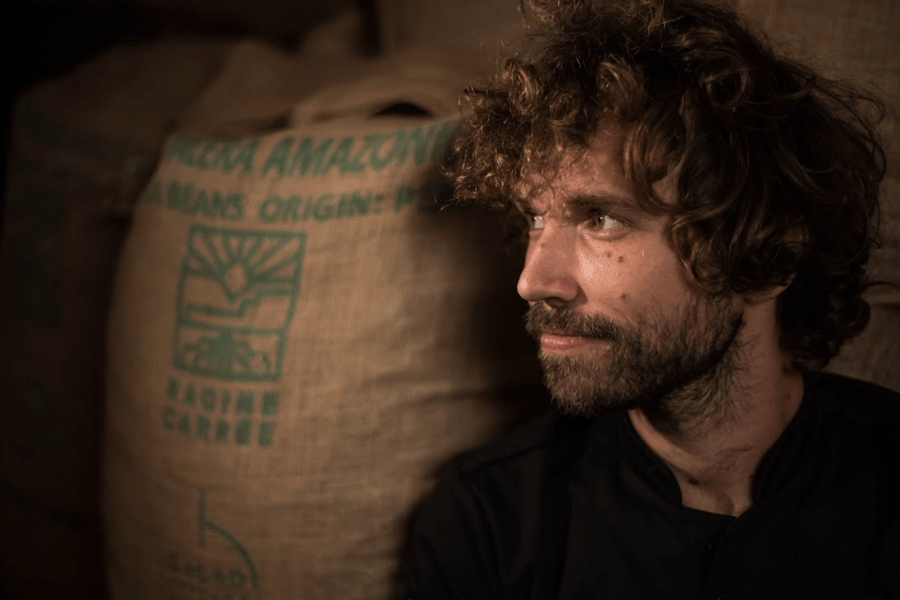
Nos fèves sont sourcées par Original Beans.

Cabosse jaune et fèves pâles alignées sur une feuille, Piura
Photo : Cacao Latitudes

After the harvest

Five to eight days of sun

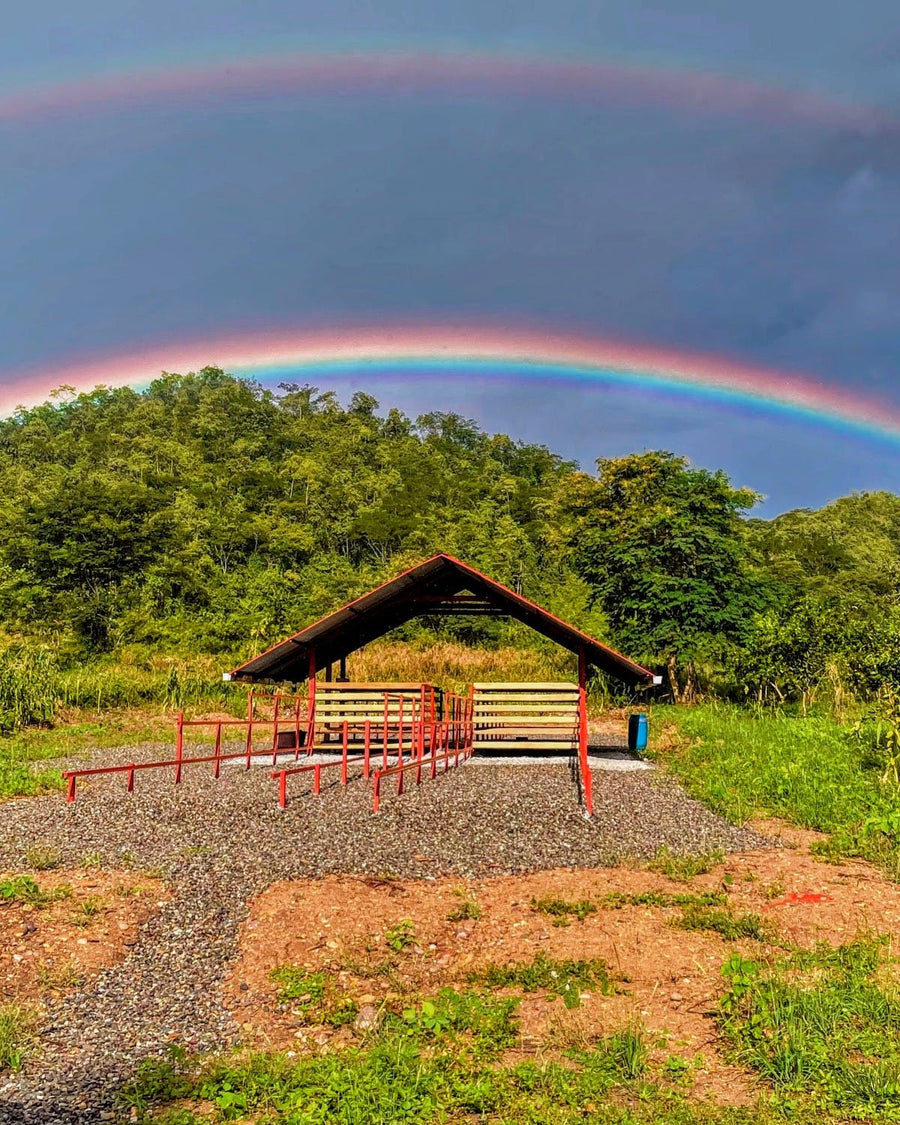
After the box, the beans spend five to eight days in the sun, spread out on raised mesh beds. Piura has no shortage of sun; it is rather the excess that needs watching: dried too fast, the bean locks in its acidity instead of letting it settle.

Drying is unforgiving. One day of inattention shows up on the palate, and nothing at the workshop can make up for it afterwards.

Fèves de cacao en séchage au soleil, sur des bâches noires, Piura
Photo : Cacao Latitudes