Skip to content

Cart

Your cart is empty

Continue shopping
Explore the origins
Voir les 14 origines

Acopio

Lightly roasted

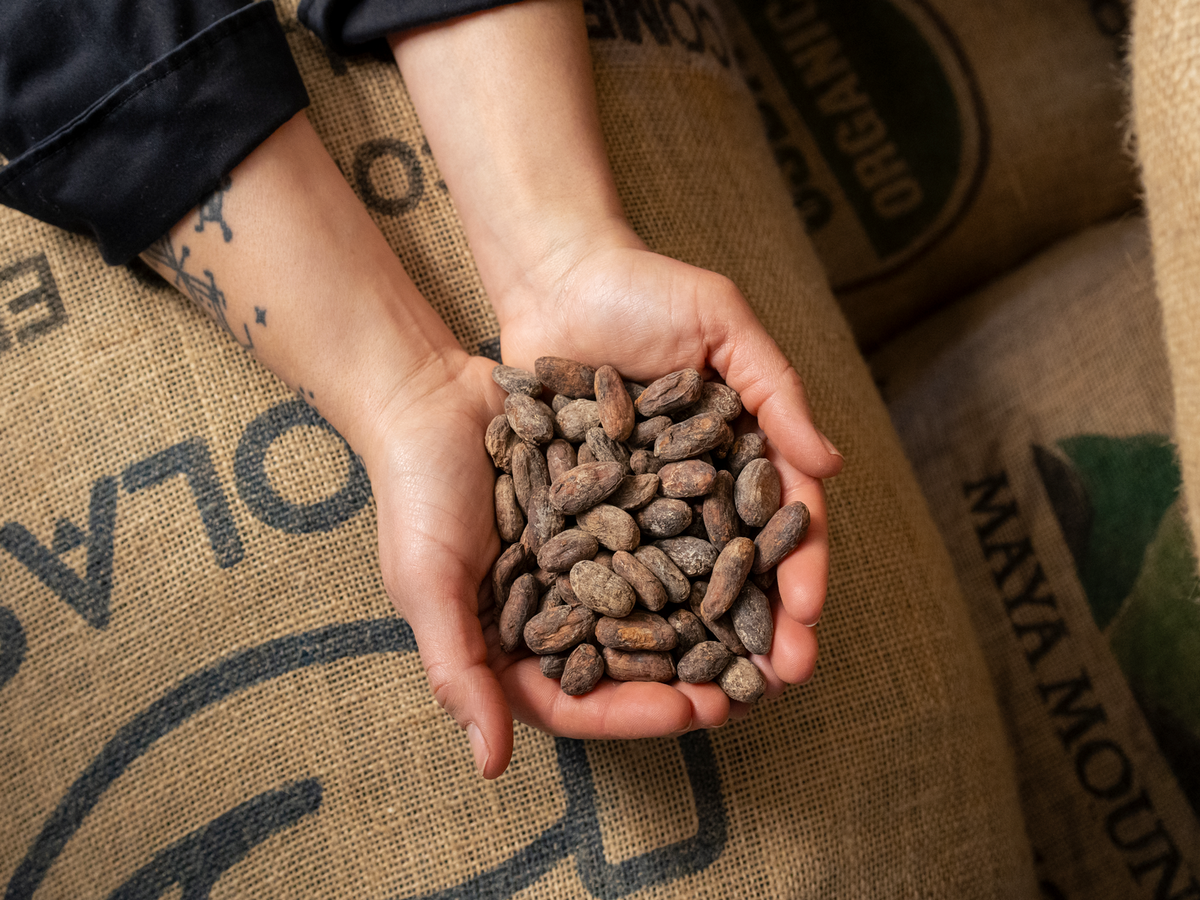
Cahabón, post-harvest centre

Acopio

The terroir

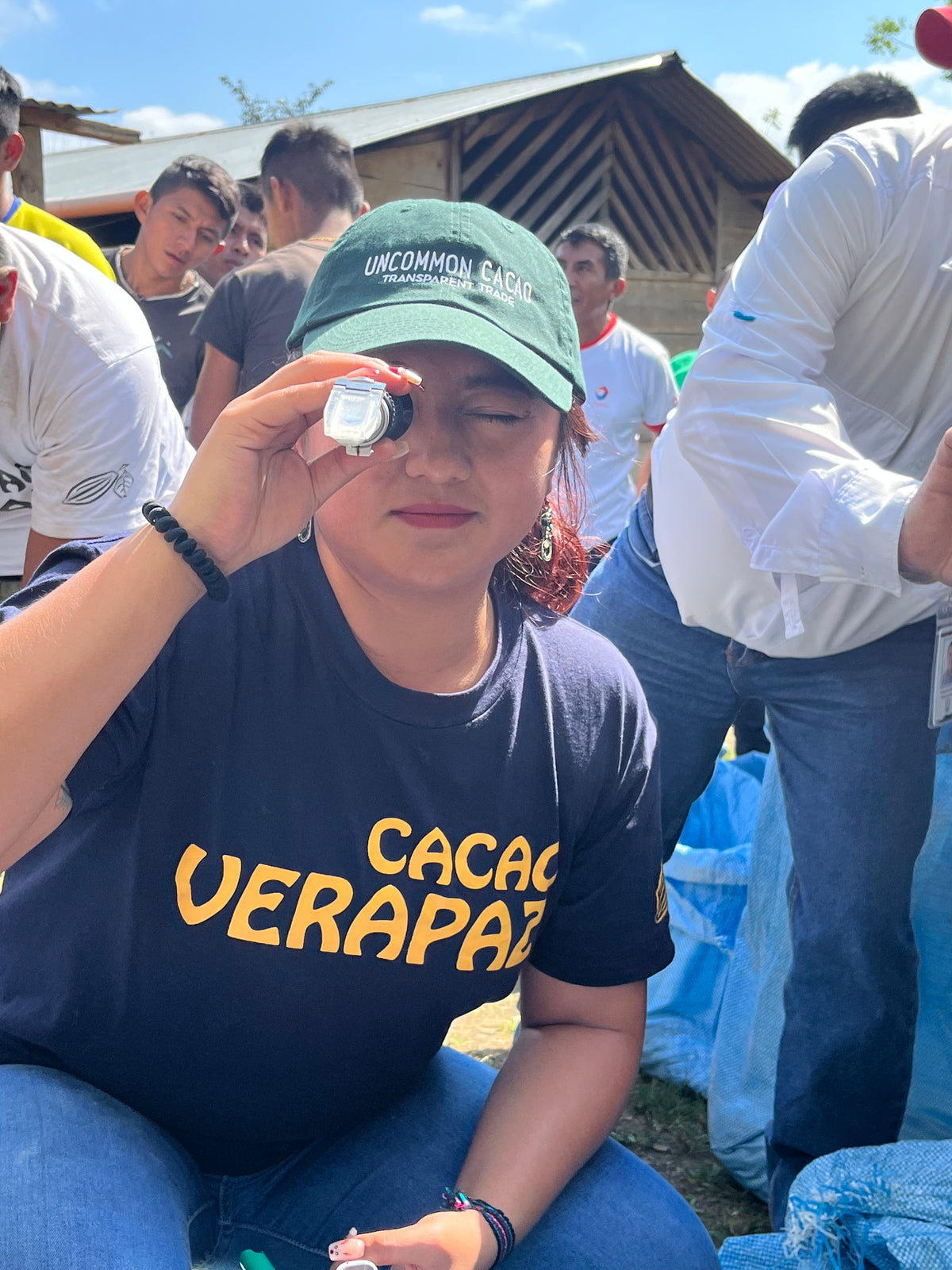
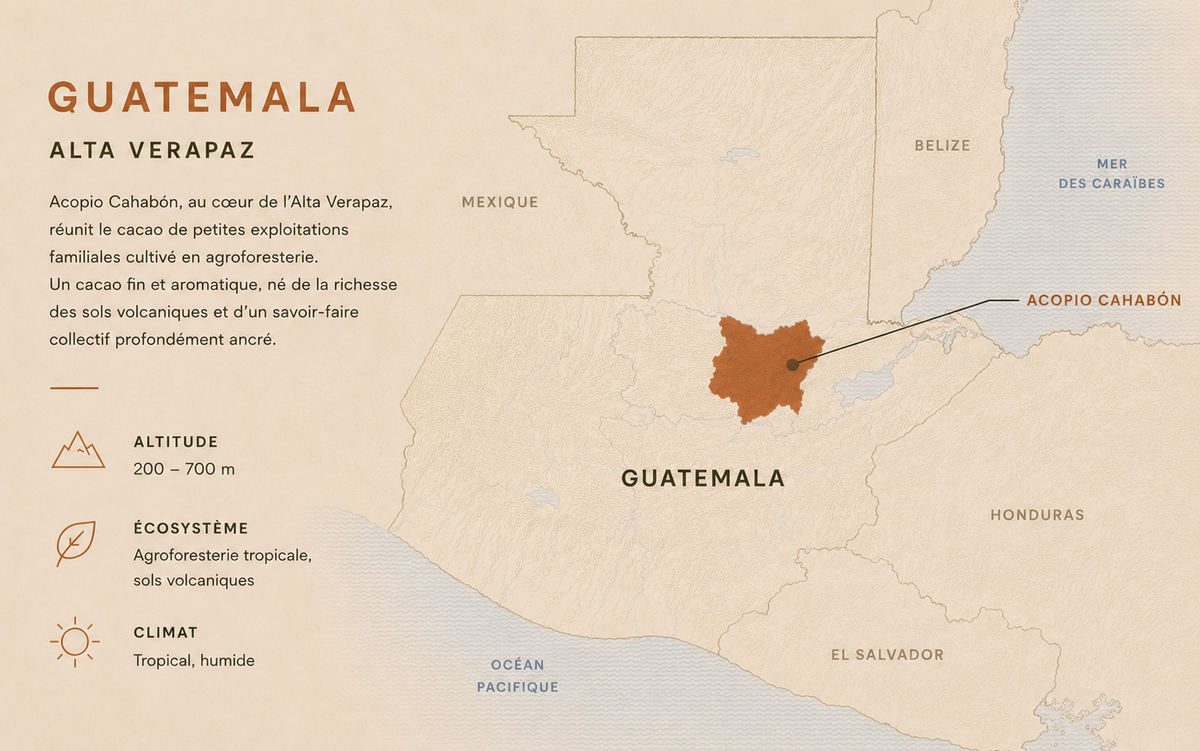
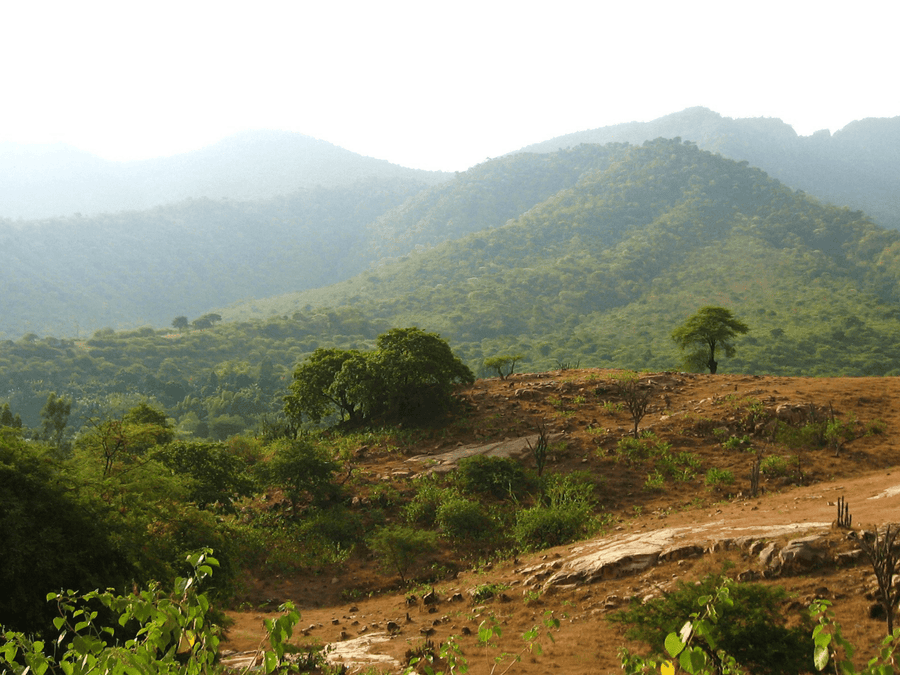
Cahabón, Alta Verapaz. A shared post-harvest centre, opened in 2022, where the small harvests of the communities become a consistent cacao.
Origin Acopio
Country Guatemala
Terroir Cahabón, post-harvest centre
Harvest October - February
Fermentation At the community centre · in Cahabón
Roasting Lightly roasted
Carte du terroir

Tasting notes

Fruity · Sweet spice · Nutty / Praline

Texture

Ample & warm

Cultivar

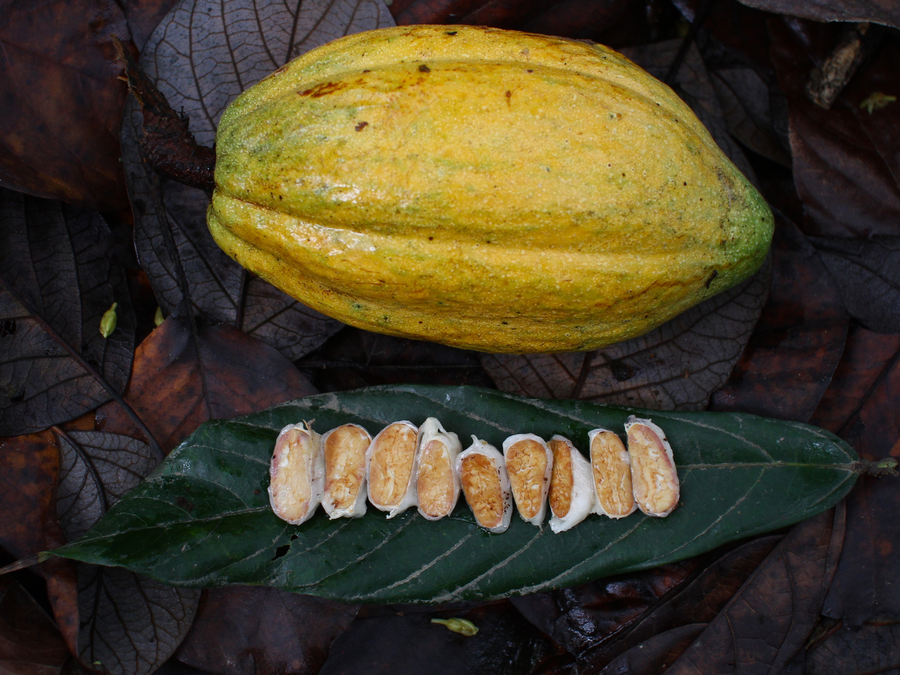
Fino de Aroma

Recommended dose

1 to 2 squares (5-10 g) per tasting

Sale price€9,00
Size: 1 bar

In stock · Shipping within 24 to 48h

Ingrédients & valeurs nutritionnelles

Cocoa mass*, cane sugar, cocoa butter*. *from organic farming. Cocoa: 76% minimum.

Valeurs moyennes pour 100 g
Énergie 2440 kJ / 589 kcal
Matières grasses 45,8 g
dont acides gras saturés 27,8 g
Glucides 40,2 g
dont sucres 17,1 g
Fibres alimentaires 11,7 g
Protéines 9,9 g
Sel < 0,013 g

May contain traces of nuts. Made in a workshop that also handles other nuts.

Guatemala · Acopio · Dark chocolate
Guatemala · Acopio · Dark chocolate1 bar Sale price€9,00

Territory

The word Cahabón, taken three times

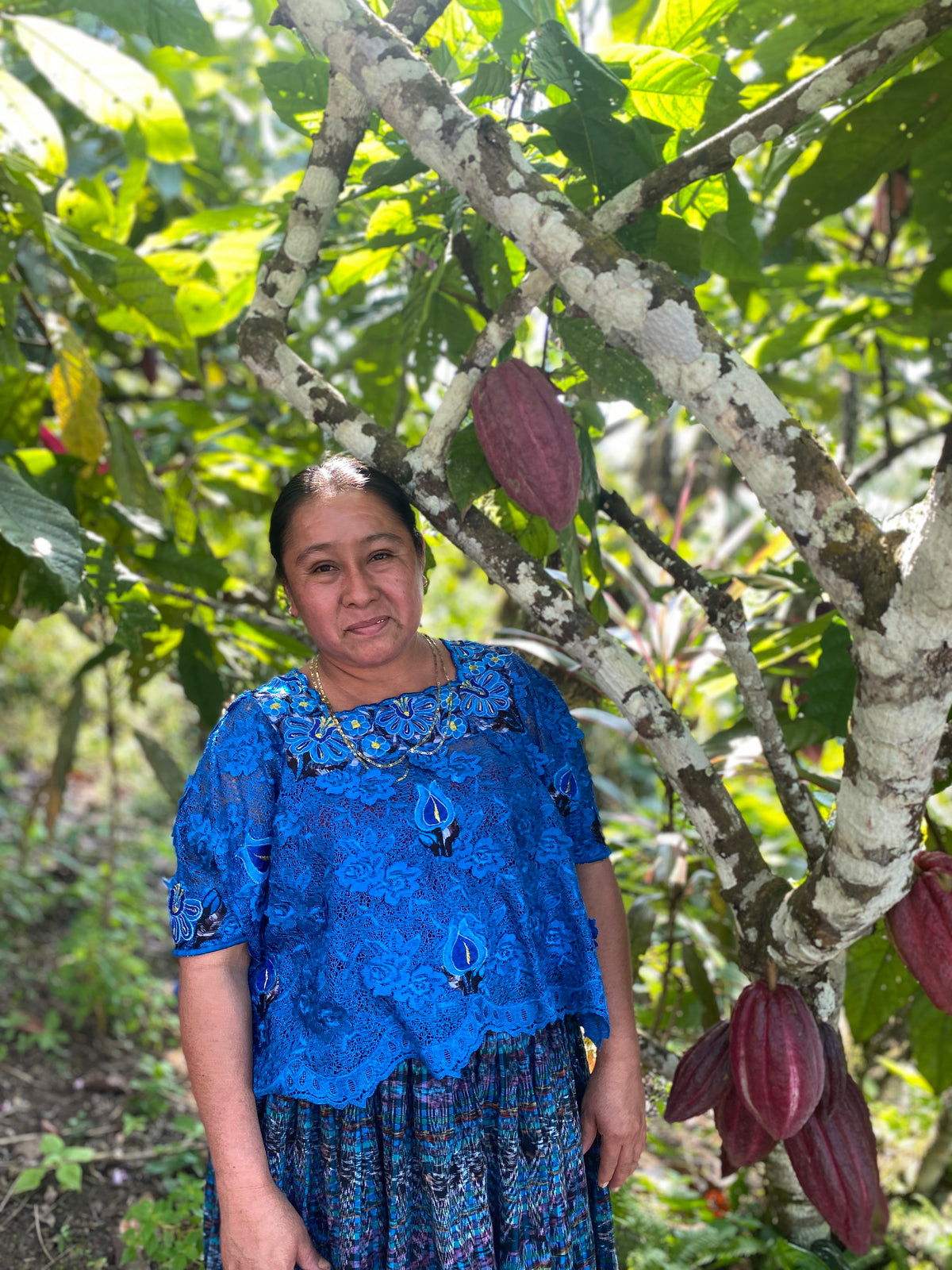
Before 1543, this place was called Chik'ajb'om. It now bears the name of the river that runs through it, and that name, in Q'eqchi', means the land that paints. The Cahabón is born in the Sierra de las Minas at sixteen hundred metres, runs one hundred and ninety-six kilometres, disappears under the caves of Lanquín, comes out again, passes here at two hundred metres of altitude, and joins the Polochic then Lake Izabal. Santa María Cahabón has sixty-four thousand nine hundred and eleven inhabitants, of whom about ninety-five per cent are Q'eqchi' Maya. The post-harvest centre opened in 2022. It bears the name of the river, like the municipality, like the lot.

Peoples

What one gives to the mountain for the right to plant

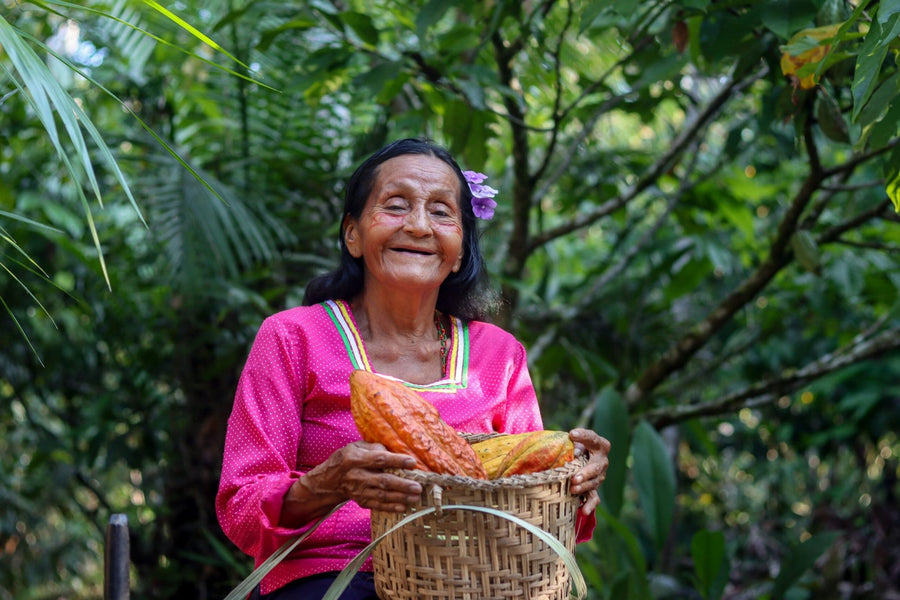
Among the Q'eqchi', the tzuultaq'a are not images: they are persons. They have names, characters, wants, and they appear as caves, springs, mountains, rocks, lakes. They are the owners of the land, and their permission is needed to plant there, to harvest, to build, to live. It is asked through a ceremony, the majejak, in which one burns sugar, incense, candles of several colours, rosemary, a chicken, and chocolate. Cacao did not arrive here as a cash crop to which a meaning is added afterwards. It is one of the things one gives to the mountain. In 1877, a decree abolished all communal ownership of land in Guatemala; from 1889, Q'eqchi' families were leaving for Belize. The Cahabón centre does not give the land back. It puts back in common what comes from each plot, and that is already a gesture the country had lost.

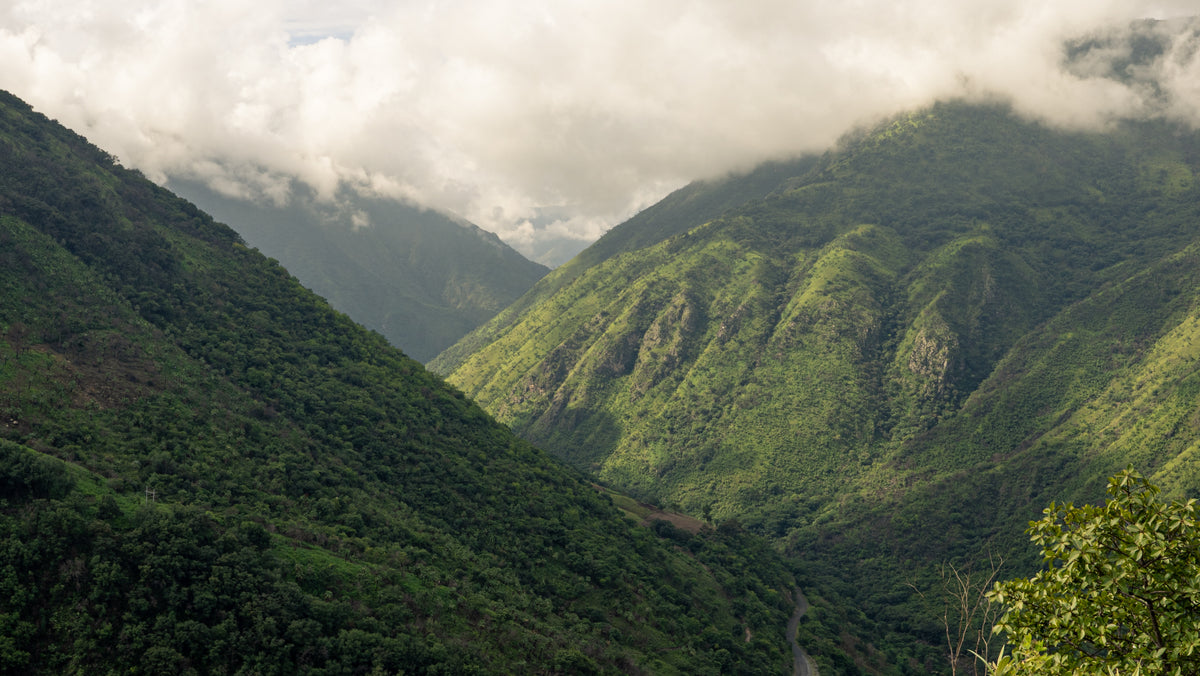
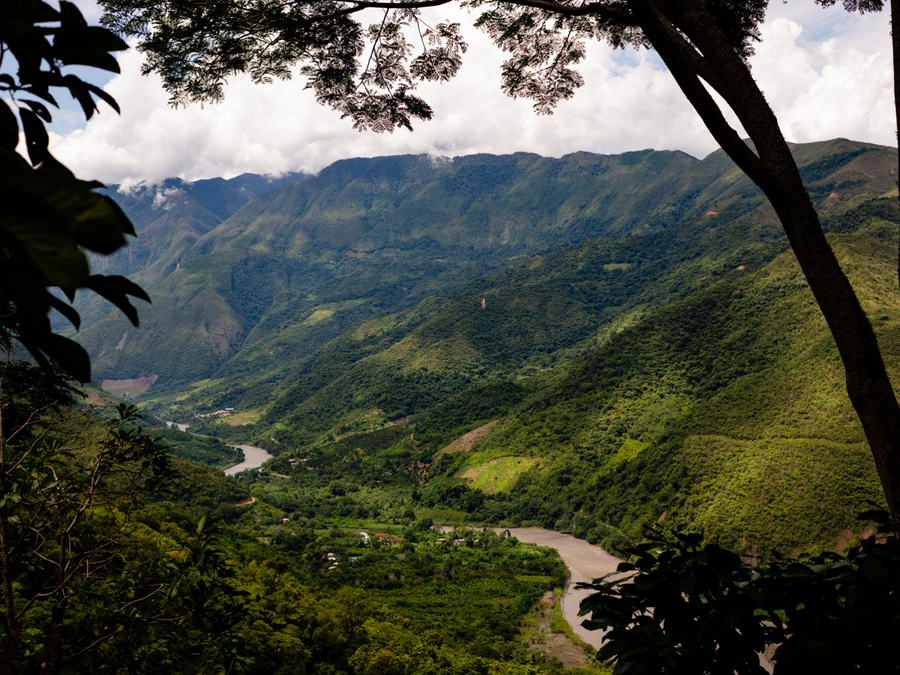
River set deep in the forest, Cahabón, Alta Verapaz
The river, at Cahabón