





Guide · Understanding · Chapter 05 / 10
Origins & terroirs
Around cacao there is a soil, water,
the shade of other trees.
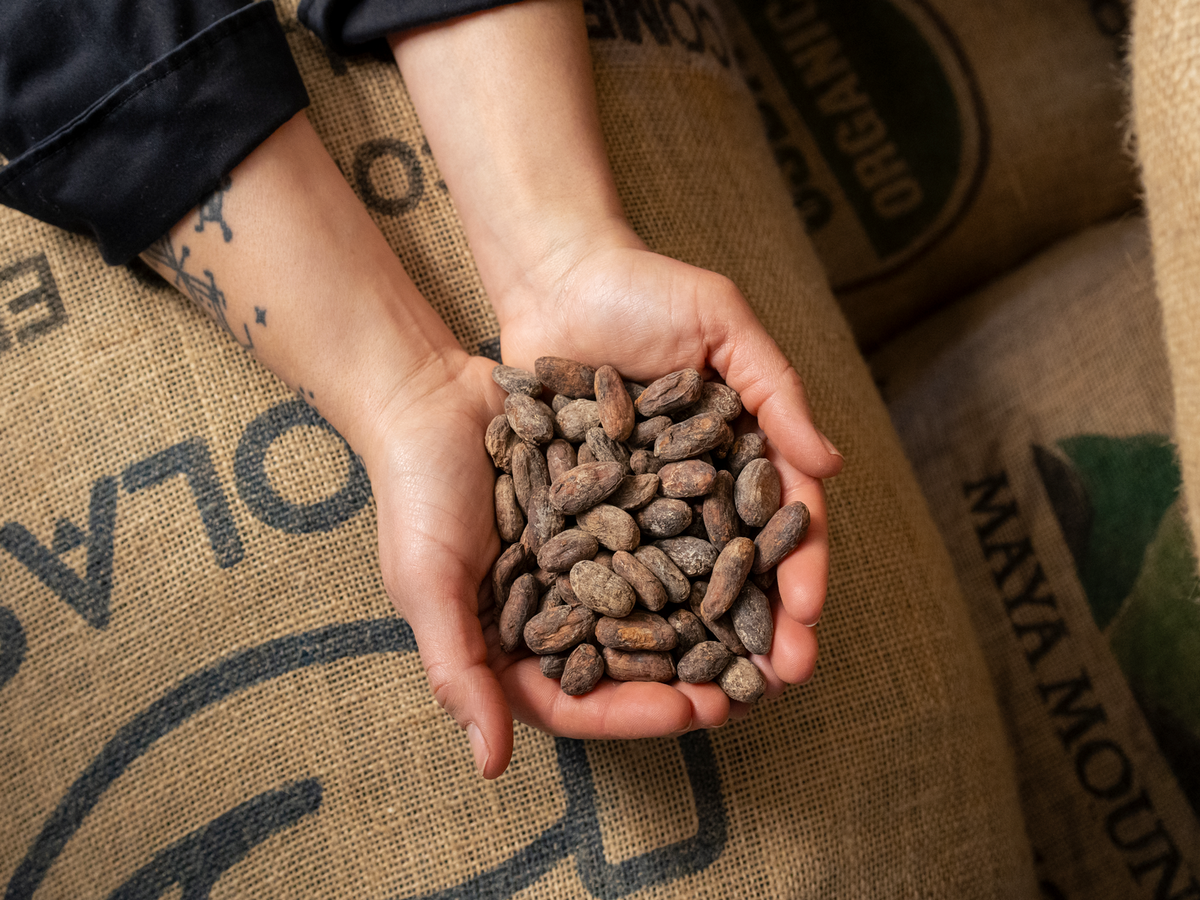
A variety grows there; people pick the pods, take out the beans, then ferment, dry and sort them.
You meet terroir in this bond between the place and the work. By following an origin, you come closer to both, right down to the nuances in your cup.
Reading an origin
More than a country on a map
Piura points to a valley in northern Peru. Kallari names an organisation in Ecuador. Yakaw takes you to Soconusco, in Chiapas. These names bring cacao closer to its place and to the people who work it; they complete what you discover by tasting.

Taste
The variety, the place,
the gestures
Two pure cacaos can offer tastes that lie far apart. The variety and the growing conditions play a part, then fermentation, drying and processing add their share.
Tasting an origin means meeting the result of this work. Its story lets you trace your way back to the landscape, the families and the teams who have seen it through.
Going further · Journal
Three origins,
three stories
Continue
Entering the Origines
Taste has a birthplace.MOOJO
It passes through hands.
Choose a place. In the cup,
its nuances are waiting for you.