

Look
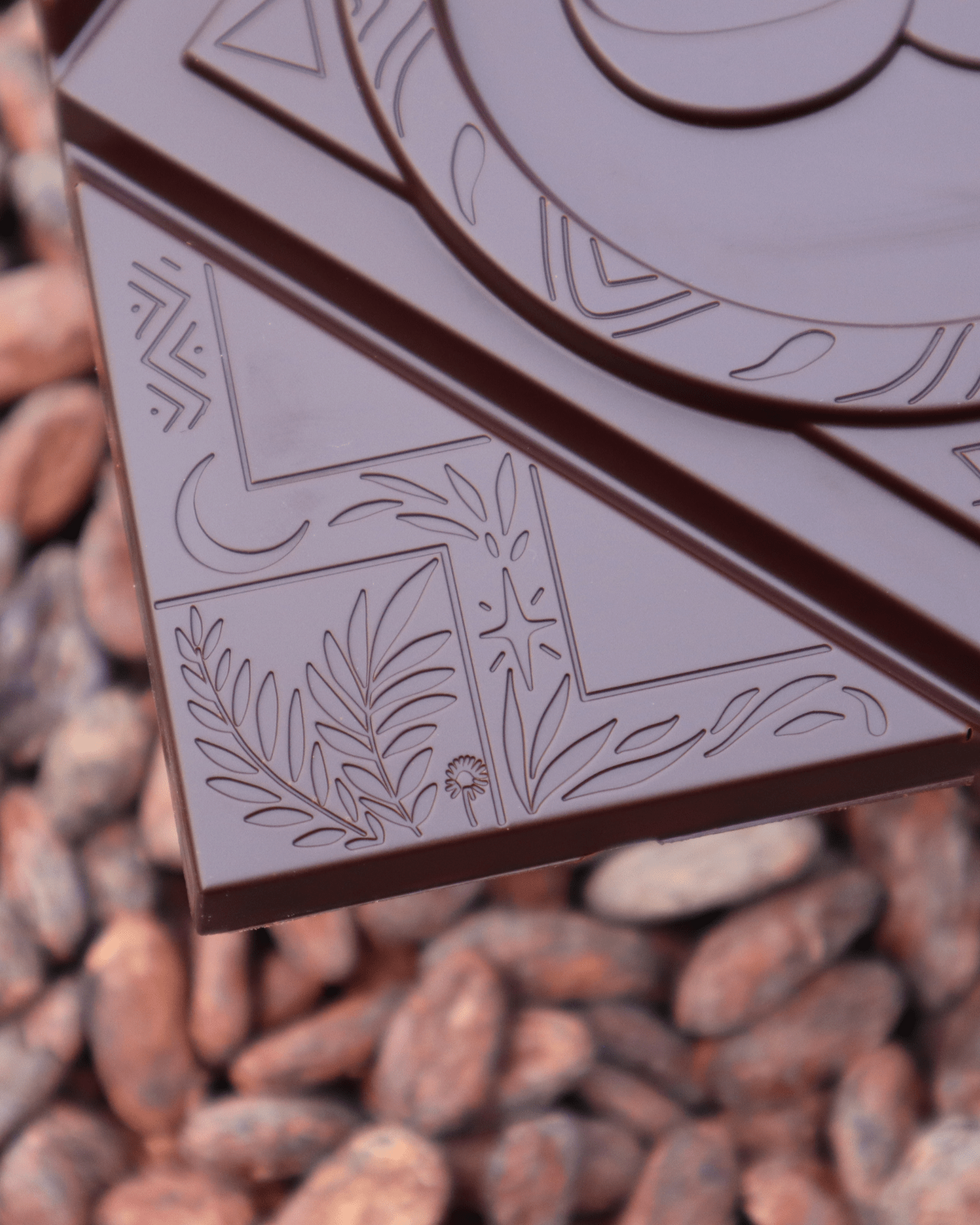
The surface, the snap, the colour. Before you even smell it.

The indulgent bars
Discover our ranges

Our origins
Discover our terroirs

Vegan milk
Majambo, the little known cousin

Guide · Experiencing · Chapter 01 / 10
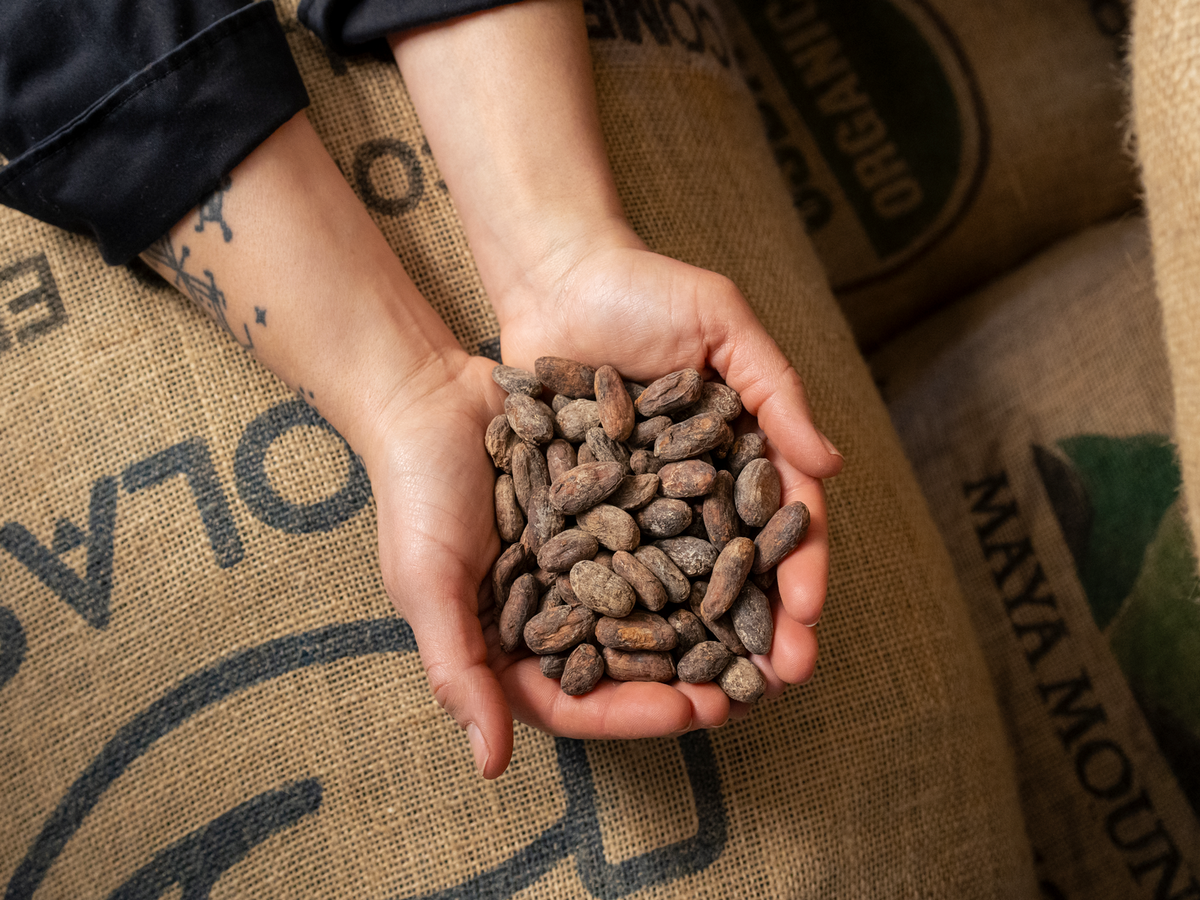
Before the flavour notes, before the percentage,
there is the substance itself.
A bar, a paste, a bean: its surface, its snap, its smell, what stays in the mouth long afterwards. To taste is to learn to see what the place has already written.

Looking
The colour, the sheen, the grain of the surface. A clean snap speaks of tempering; a dull break tells another story. Then comes the nose: fruit, wood, flower, earth, before the very first bite.
The percentage tells you the composition. It does not tell you the taste. Two pure cacaos can seem to come from two different worlds.
Tasting
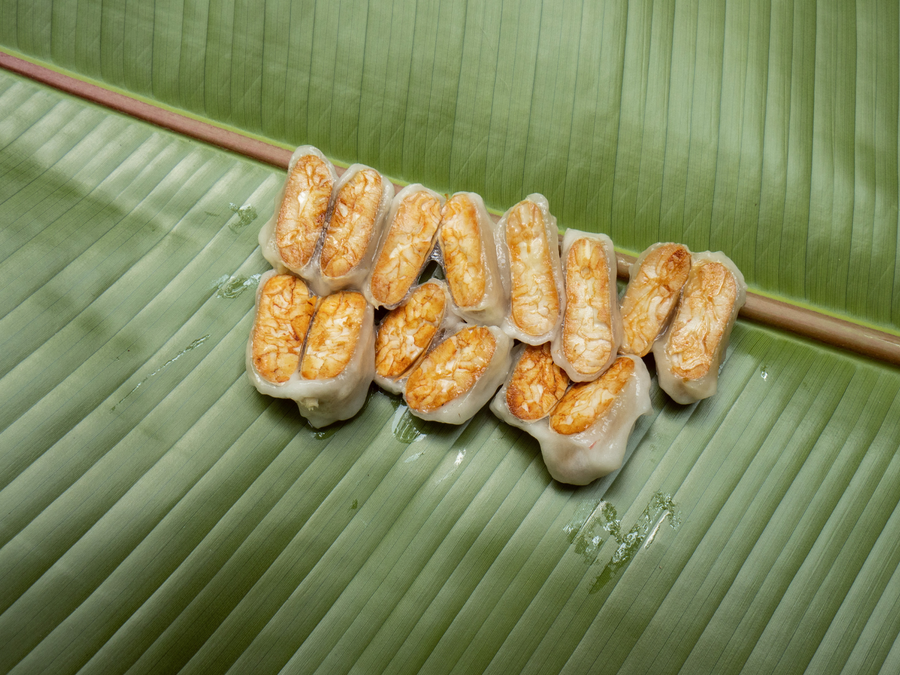
Taste is born of a conversation between a variety, a place, a climate, a fermentation, a drying, and then the making. Flavour notes are not added flavourings: they are words for what cacao evokes on its own, banana without banana, flower without flower.
Take your time. Let it melt. Write down what comes back, not what you were told to find.
Markers
The surface, the snap, the colour. Before you even smell it.
First cold, then in the mouth: what rises.
Let it melt without chewing. Listen for how long the taste stays.
We do not create the taste of cacao.Volume 1, MOOJO
We reveal the taste of the terroir.
Comparing origins side by side: the taste becomes legible.
Explore the origins